

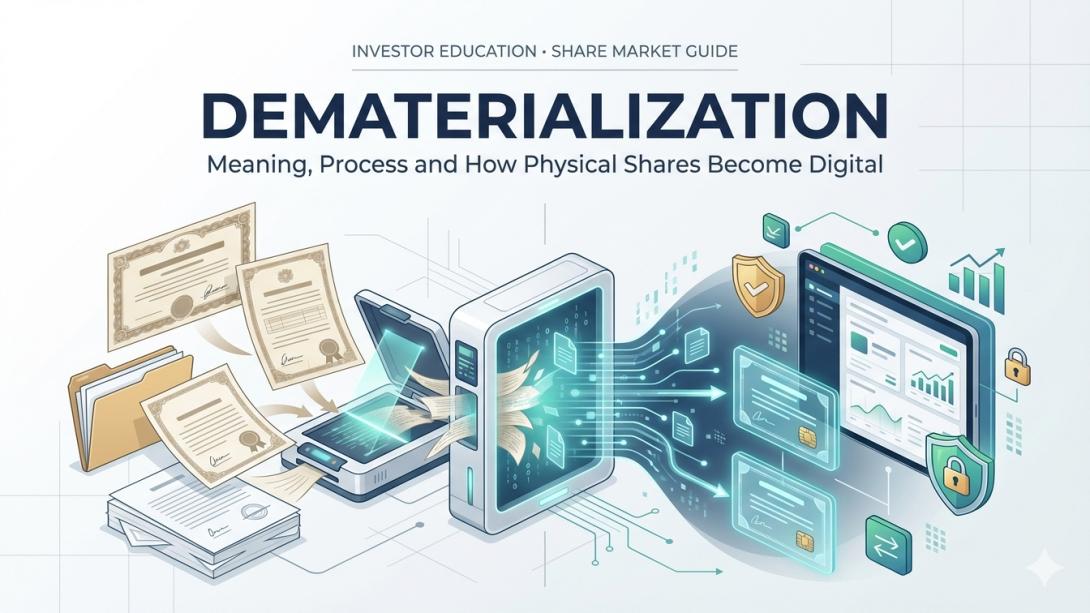
In a world that's constantly evolving, financial markets are no exception. One term that has been making waves is dematerialization. As people transition from traditional methods of managing assets to modern-day digital platforms, it’s important to understand what dematerialization is, how it happens, and what it means for investors like you and me. In addition, there's a lot of buzz around concepts like margin trading that often accompanies digital assets. So, let’s take a journey through this fascinating topic!
What is Dematerialization?
Picture this: you're at home, surrounded by stacks of physical share certificates getting dusty on your shelf. Every time you invest in a company, it involves buying those tangible pieces of paper. Pretty cumbersome, right? That's where dematerialization steps in. Simply put, dematerialization is the process of converting physical shares, bonds, or other assets into digital forms. It’s like trading your old flip phone for a shiny new smartphone, sleek and full of features.
Why go through all the hassle of physical ownership when everything can be handled with a few taps on your smartphone? With dematerialization, your investments are stored electronically, making buying, selling, and tracking performance more accessible and user-friendly.
The Process of Dematerialization
So, how does this process work? Here’s a simple step-by-step breakdown:
1. Demat Account Creation
First off, to enter the world of digital shares, you need a Demat account. Think of it as your digital locker where all your assets reside. It’s like having a secure vault for your investments, right at your fingertips.
2. Converting Physical Shares
Once you have your Demat account, you can start converting your physical shares. This usually involves submitting your physical share certificates to a Depository Participant (DP). Don't worry; they handle this process for you. The DP verifies the documents and sends the information to the central depository.
3. Issuance of Dematerialized Shares
Upon successful verification, the central depository will convert those physical shares into electronic form. You can then see your shares reflected in your Demat account, just like magic!
4. Trading Made Easy
With shares now in an electronic format, you can trade them quickly and efficiently. Want to sell your shares? Just log into your trading account and place an order. No need to run to the bank or find a broker. Everything is a few clicks away!
5. Secure and Transparent
Lastly, dematerialization enhances security. With physical shares, there’s always the risk of loss, theft, or damage. But with digital shares, your investments are safely encrypted and monitored in real-time.
Benefits of Dematerialization
Now that we know what dematerialization means and how it works, let’s explore some benefits it brings to the table!
1. Convenience
Gone are the days of worrying about misplaced certificates or loss of value due to wear and tear. With dematerialization, everything is available online, accessible from your smartphone or computer.
2. Speedy Transactions
Trading has never been faster! Since electronic shares don’t require physical handling, transactions can be completed almost instantaneously. No more waiting for approvals or documents to arrive in the mail.
3. Cost-Effective
Think about it: you won’t need to pay for storing physical shares, handling fees, or other administrative costs. All of this translates into savings that you can invest elsewhere.
4. Easy Portfolio Management
With everything consolidated into your Demat account, it’s easy to manage your investments. You can track performance, realize profits, and make decisions based on market trends without the clutter of physical paperwork.
Dematerialization vs. Physical Shares
Comparing dematerialization with traditional physical share management is like comparing a bicycle to a high-speed train. Sure, both get you to the destination, but one does it far more efficiently.
Physical shares can be a hassle. You can’t just easily sell or trade them; it involves paperwork and delays. On the other hand, dematerialized shares are quick to exchange, making it easier for you to capitalize on market movements.
The Role of Margin Trading
Now that we’ve grasped the basics of dematerialization, let's touch on margin trading, a rising star in the investment scene. Margin trading allows investors to borrow money from a broker to purchase more shares than they could with their capital alone. It’s a way to amplify your investment potential, much like adding fuel to an already blazing fire.
With dematerialization, margin trading becomes even simpler. All those electronically held shares act as collateral for the borrowed funds. This means you can enter deals faster and with fewer hassles, but it also comes with increased risk. So, it’s essential to tread carefully!
Potential Risks of Dematerialization and Margin Trading
Just like anything in life, dematerialization and margin trading have their risks. Here are a few to keep in mind:
1. Cybersecurity Threats
While digital assets are secure, they’re not immune to cyber threats. Hacking attempts or technical glitches can put your funds at risk. Always opt for reputed platforms with robust security measures in place.
2. Market Fluctuations
If you’re indulging in margin trading, be prepared for the ups and downs of market conditions. A small drop in share price can lead to significant losses, especially if you borrowed money to invest. Always assess the risks before diving in.
3. System Failures
Even the best technology can stumble sometimes. System outages or crashes can occur and may prevent you from trading or accessing your funds when necessary.
The Future of Dematerialization
So, what's next? The future of dematerialization looks bright as more people lean towards digital solutions. We can expect more innovations, such as enhanced user interfaces, advanced analytics, and even AI-driven investment strategies to guide us. Best of all, as more investors participate, the market will continue to evolve.
Conclusion
To wrap up this insightful journey, dematerialization marks a colossal shift in how we view our investments. It enhances convenience, speeds up transactions, and makes the whole experience more user-friendly. Along with tools like margin trading, it opens up a world of possibilities.
As we navigate this landscape, let’s cherish how far we’ve come from bulky paper certificates to sleek digital assets. Happy investing, everyone! Cheers to a digital future where we can manage our finances with ease and confidence!