

Introduction
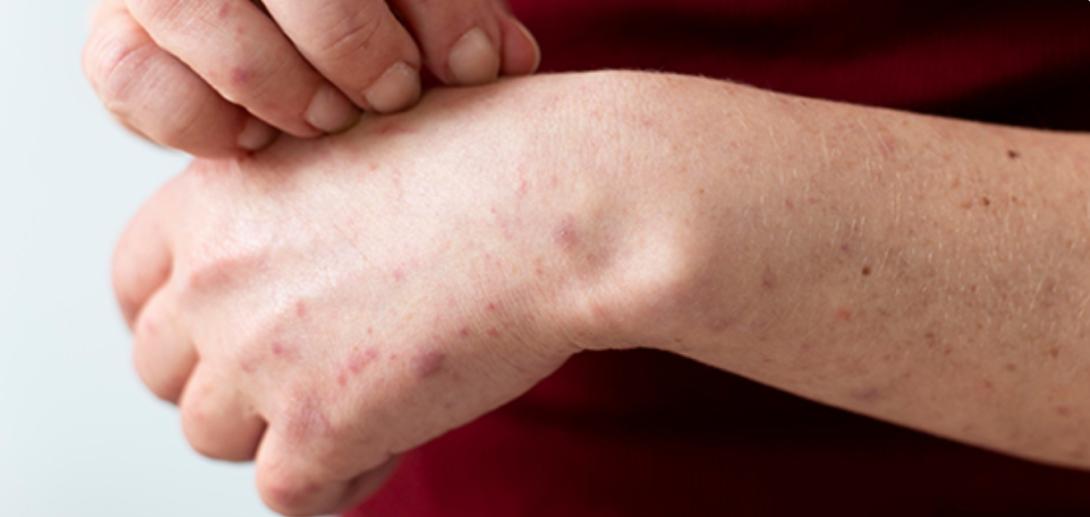
tiny dots on skin is a common dermatological concern that many people notice at different stages of life. These small spots can appear due to a variety of reasons such as allergies, clogged pores, heat reactions, or minor skin infections. In most cases, they are harmless, but they can sometimes indicate underlying skin sensitivity or nutritional imbalance. Understanding their appearance, texture, and spread helps in identifying whether medical attention is required. People often get worried when these dots suddenly appear, but most causes are treatable with proper skincare and lifestyle adjustments. Early observation and basic hygiene practices can significantly reduce discomfort and prevent worsening of the condition. Awareness about early skin changes also helps in avoiding unnecessary panic and supports better self-monitoring habits.
Common Causes Behind Skin Irregularities
Skin irregularities often develop due to a combination of internal and external factors. Environmental pollution, excessive sun exposure, and harsh skincare products can damage the skin barrier, leading to visible changes. Hormonal fluctuations, especially during adolescence or stress periods, may also contribute to breakouts and uneven texture. In some cases, genetic predisposition plays a key role in how the skin reacts to certain triggers. Poor hydration and lack of essential nutrients further weaken skin health, making it more prone to irritation. Identifying the root cause is important for choosing the right treatment approach and preventing recurring issues over time. Proper consultation with dermatology experts ensures safe and evidence-based management of skin concerns. Self-diagnosis should be avoided as it may lead to incorrect assumptions and delayed treatment.
Clinical Conditions Associated with Skin Dots
Certain medical conditions can lead to noticeable skin changes that should not be ignored. These include issues such as keratosis pilaris, miliaria, eczema, and mild allergic reactions affecting the skin surface. One of the most frequently reported symptoms is tiny dots on skin, which may vary in size, color, and distribution depending on the underlying condition. Medical evaluation helps in distinguishing harmless conditions from those requiring treatment. Early diagnosis is essential to manage symptoms effectively and avoid complications. Healthcare professionals often recommend proper skin examination and lifestyle assessment for accurate identification. Timely care ensures that most conditions remain manageable without long-term effects on skin health. Patients are encouraged to monitor changes over time and report unusual patterns promptly.
Effective Care and Management Strategies
A consistent skincare routine is essential for maintaining healthy and balanced skin. Using gentle cleansers and avoiding harsh chemicals can reduce irritation and support natural healing. Hydration plays a crucial role in keeping the skin barrier strong and resilient. Regular exfoliation helps remove dead cells and improves overall skin texture. A balanced diet rich in vitamins and minerals supports long-term skin health. Consulting dermatology experts can help identify suitable treatments for persistent concerns. Sun protection using SPF products reduces damage caused by ultraviolet exposure. Stress management techniques also contribute to healthier skin outcomes over time. Consistent cleansing habits help prevent buildup of dirt and environmental pollutants on the skin.
Conclusion and Final Insights
Maintaining awareness of skin changes is important for long-term dermatological health. Most minor conditions improve with proper care, lifestyle adjustments, and timely intervention. Weak immune response, environmental factors, and genetics can all contribute to tiny dots on skin when the skin barrier is compromised. In such cases, consultation with Dr. Sonal Rajesh Kumar can help in accurate diagnosis and structured treatment planning. Consistent skin care practices and early attention to symptoms ensure better outcomes and overall skin wellness. Regular follow-ups with specialists can further enhance treatment effectiveness and monitoring accuracy.
FAQs:
1. What are the common causes of tiny dots on skin?
tiny dots on skin can appear due to clogged pores, heat rash, allergies, mild infections, or temporary irritation caused by environmental and lifestyle factors.
2. Can dehydration affect skin texture?
Yes, dehydration can weaken the skin barrier, making the skin appear rough, irritated, and more prone to visible surface changes over time.
3. When should someone consult a dermatologist for skin concerns?
A dermatologist should be consulted if the condition spreads quickly, causes discomfort, changes color, or does not improve with basic skincare practices.
4. Are skincare products responsible for small skin reactions?
Certain harsh skincare products or ingredients may trigger irritation, redness, or sensitivity in individuals with delicate or reactive skin types.
5. How can healthy habits support better skin health?
Regular hydration, balanced nutrition, proper sleep, stress management, and consistent skincare routines help maintain healthier and more balanced skin naturally.