
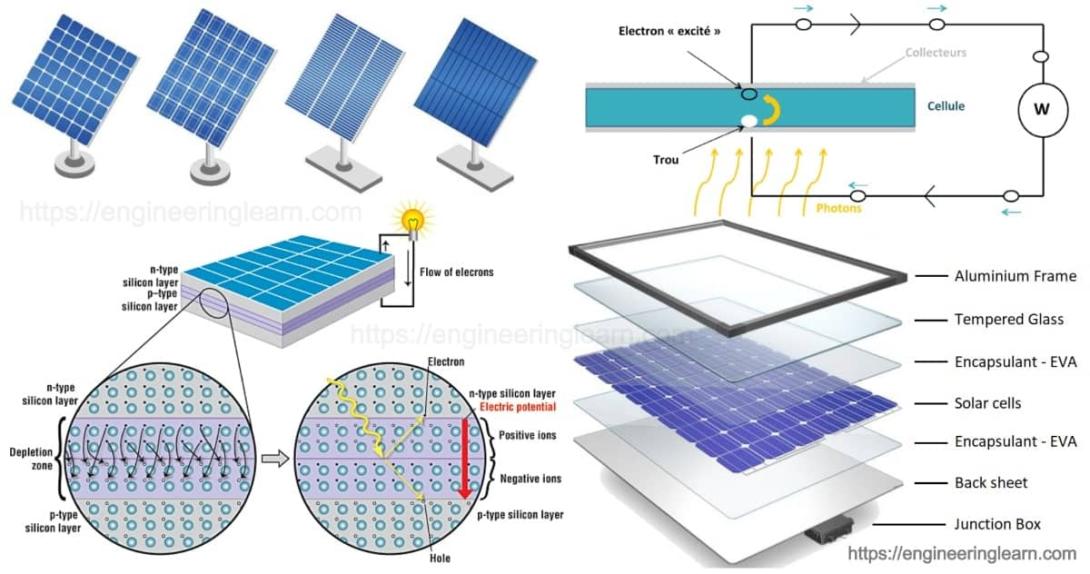
Solar energy is one of the most sustainable and environmentally friendly power sources available today. As the demand for solar energy continues to grow, so does the need for solar panel systems to operate efficiently and reliably for extended periods. One of the key factors in ensuring that a solar panel system performs at its peak is regular cleaning and inspections. These maintenance activities play a critical role in maximizing the system’s energy output, extending its lifespan, and preventing potential costly repairs or replacements.
While solar panels require relatively low maintenance compared to other household systems, they are still exposed to environmental elements, which can reduce their efficiency over time. This article explores the role of cleaning and inspections in maintaining the optimal efficiency of solar panels, outlining the importance of these practices, the factors that impact panel performance, and practical tips for homeowners and businesses to implement regular maintenance routines.
1. Why Cleaning and Inspections Are Essential for Solar Panel Performance
Maximizing Energy Efficiency
Solar panels are designed to capture sunlight and convert it into usable electricity. The more sunlight that reaches the panels, the greater the amount of energy they can generate. Any obstructions or dirt accumulation on the surface of the panels can block sunlight from reaching the photovoltaic cells, reducing the energy output.
Regular cleaning ensures that the panels remain free from debris, dirt, and other materials that might accumulate over time, especially if the panels are located in areas with high levels of dust, pollen, or bird droppings. Even a small layer of dirt or grime can cause a significant drop in efficiency, so keeping the panels clean is key to maximizing their energy generation.
Extending the Lifespan of the Panels
Solar panels are a long-term investment, typically designed to last for 25 to 30 years or more. However, just like any other piece of equipment exposed to the elements, solar panels require proper care and maintenance to reach their maximum lifespan. Regular cleaning helps prevent the build-up of corrosive materials like bird droppings, salt, or even pollution, which could cause deterioration or damage over time. Inspections can identify any potential issues early, allowing for repairs before more severe damage occurs, thus extending the overall lifespan of the system.
Preventing Expensive Repairs
While solar panels are built to be durable and long-lasting, neglecting regular cleaning and inspections can lead to small issues that escalate into larger, more expensive problems. For example, the accumulation of dirt, dust, or leaves can cause overheating or moisture retention, which can damage the electrical components of the system. Additionally, cracks in the panels, corrosion, or damaged wiring may go unnoticed without periodic inspections, resulting in system failures. By addressing minor issues early on, homeowners can avoid costly repairs and potential replacement costs.
2. Factors That Impact Solar Panel Performance
Several environmental and operational factors can affect the performance of solar panels. These factors vary depending on the geographic location, weather conditions, and the specific installation site of the system. Understanding these factors helps homeowners and businesses better maintain their solar panel systems and maximize their efficiency.
Dirt, Dust, and Debris
The accumulation of dirt, dust, leaves, and other debris is one of the most common factors that reduce solar panel efficiency. In areas with dry climates or frequent winds, dust and dirt can quickly build up on the surface of the panels. In addition, trees or other vegetation near the panels can drop leaves, twigs, or even bird droppings, which can obstruct sunlight and reduce energy generation.
The presence of dust or debris on solar panels may seem insignificant at first, but even a thin layer can have a measurable impact on performance. Studies have shown that solar panels can lose as much as 25% of their efficiency if left uncleaned for extended periods.
Weather Conditions
Solar panels are designed to withstand various weather conditions, but extreme weather events or regular exposure to harsh conditions can affect their efficiency. In coastal areas, for example, saltwater spray can accumulate on the surface of the panels, leading to corrosion. In snowy climates, snow accumulation can block sunlight from reaching the panels, while in rainy or humid areas, moisture may lead to rust or mold.
Severe weather conditions, such as storms, hail, or heavy winds, can also damage the panels, their mounting structures, or the wiring. Therefore, inspections after such weather events are crucial to ensure that the system remains intact and fully operational.
Shading
Shading can significantly reduce the amount of sunlight that reaches solar panels. Even partial shading, such as from nearby trees, buildings, or other structures, can decrease the efficiency of the system. In some cases, shading can create hot spots on the panels, leading to overheating and potential damage. Regular inspections will help identify sources of shading that could be impacting performance, allowing homeowners to trim trees or adjust the positioning of the panels if necessary.
Pests and Wildlife
Birds, rodents, and other pests can pose a significant threat to solar panel systems, particularly if the panels are installed on rooftops or in areas where wildlife is prevalent. For example, birds may build nests under the panels, causing blockages or leaving droppings behind, which can damage the panel surface or wiring. Rodents may chew on electrical components, creating short circuits or other problems.
While this type of issue is less common, it can have serious consequences if left unchecked. Regular inspections can help identify and address pest-related problems before they cause damage.
3. The Role of Cleaning in Maintaining Solar Panel Efficiency
When to Clean Solar Panels
In most cases, solar panels do not need to be cleaned frequently. Rainwater often does a good job of rinsing away dirt and dust, so in many locations, cleaning once or twice a year may be sufficient. However, if you live in an area with significant dust, pollution, or bird activity, more frequent cleaning may be necessary. It is important to assess the condition of the panels after every few months, especially during seasons of high dust or pollen, or following extreme weather events.
How to Clean Solar Panels
While solar panels are designed to be durable, it’s important to clean them with care to avoid causing any damage. Here are some best practices for cleaning solar panels:
- Turn off the system: Always ensure that the solar system is turned off before cleaning to avoid electrical hazards.
- Use soft materials: Avoid abrasive materials like rough sponges or steel wool, as they can scratch the surface of the panels. Instead, use a soft cloth, sponge, or microfiber cloth.
- Use a gentle stream of water: High-pressure water hoses can damage the panels or cause them to loosen from their mounts. Use a gentle stream of water to rinse off dirt and debris.
- Avoid harsh chemicals: Avoid using harsh cleaning agents or chemicals, as these can damage the panels or harm the surrounding environment.
Safety Considerations
Cleaning solar panels can involve working at heights or with electrical equipment, so it is important to take safety precautions. Homeowners should consider hiring a professional cleaning service if the panels are on a rooftop or in a hard-to-reach area. Additionally, safety gear such as ladders, harnesses, and gloves should always be used to minimize the risk of accidents.
4. The Role of Inspections in Maintaining Solar Panel Efficiency
Regular inspections are just as important as cleaning for ensuring the optimal performance of solar panels. Inspections can identify issues that may not be immediately visible but can have a significant impact on efficiency. Here are some aspects of solar panel inspections that are crucial for maintaining system performance:
Electrical Components
The inverter, wiring, and other electrical components of a solar system should be inspected regularly to ensure they are functioning correctly. Faulty wiring, damaged connectors, or malfunctioning inverters can cause energy losses or even system failures. An inspection by a qualified technician can detect these issues early, ensuring that the system operates efficiently.
Physical Damage
Over time, physical damage to solar panels can occur due to factors such as hail, falling debris, or even manufacturing defects. An inspection can identify cracks, chips, or other damage that could affect the performance of the panels. It is important to address any damage quickly to prevent further deterioration.
Panel Alignment
Panels that are misaligned or loose can have lower efficiency due to improper exposure to sunlight. Inspections can help detect any issues with the mounting system, ensuring that the panels are securely fastened and positioned at the optimal angle for maximum sunlight absorption.
Signs of Wear and Tear
Solar panels are generally low-maintenance, but over time, some wear and tear are inevitable. Inspections can detect issues such as corrosion, rust, or loose wiring before they become more significant problems. Regular checks help ensure that small issues are addressed before they lead to more costly repairs.
5. Conclusion
Cleaning and inspections are integral parts of maintaining the efficiency and longevity of solar panels. While these systems are designed to be low-maintenance, they are not immune to environmental factors that can reduce their performance. Regular cleaning ensures that dirt, dust, and debris do not obstruct sunlight from reaching the panels, while inspections identify potential issues with electrical components, physical damage, or wear and tear. By incorporating a routine of cleaning and inspections into the maintenance plan, homeowners can maximize their solar system’s energy output, extend its lifespan, and avoid costly repairs.
For those who prefer a hands-off approach, hiring professional solar panel maintenance services is an option, ensuring that all cleaning and inspections are conducted safely and effectively. Whether performed by the homeowner or a professional, cleaning and inspections play a critical role in ensuring that solar panels continue to provide clean, reliable, and cost-effective energy for years to come.