
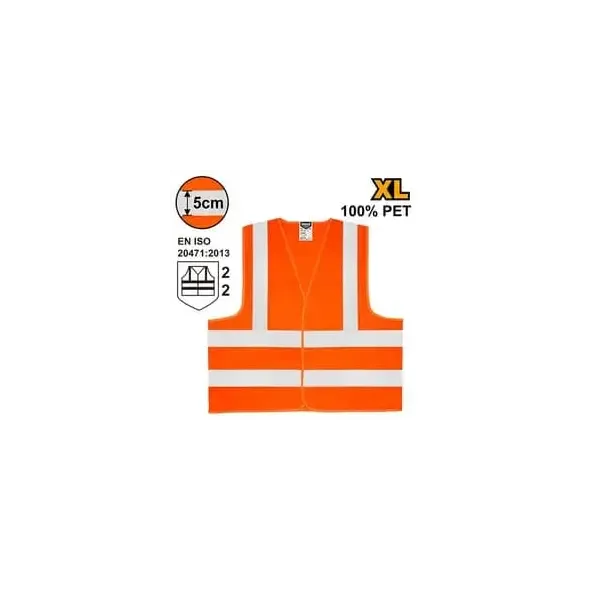
Safety has become more important than ever in today’s fast-moving world. Whether you work on construction sites, ride motorcycles at night, cycle through busy streets, or manage roadside traffic, visibility can mean the difference between safety and serious accidents. That is why reflective vests have become an essential piece of protective equipment in 2026.
Modern reflective vests are no longer basic neon garments with shiny strips. Today’s safety vests combine high-visibility technology, breathable materials, lightweight designs, and advanced reflective elements that dramatically improve visibility in low-light and dangerous conditions.
This comprehensive reflective vest guide explains why every worker and rider needs one today, how reflective vests work, the different types available, and how to choose the best option for your needs.
What Is a Reflective Vest?
A reflective vest is a high-visibility safety garment designed to make the wearer more visible during the day and night. These vests use fluorescent colors and reflective strips to reflect light from headlights, flashlights, and other sources.
Reflective vests are widely used by:
- Construction workers
- Motorcycle riders
- Cyclists
- Emergency responders
- Warehouse employees
- Road crews
- Traffic controllers
- Joggers and runners
Their main purpose is simple: improve visibility and reduce accidents.
Why Reflective Vests Matter More in 2026
Roads, workplaces, and industrial environments have become busier and more hazardous. Visibility-related accidents continue to rise worldwide, especially during nighttime and poor weather conditions.
Reflective vests help solve this problem by making individuals easier to spot from long distances.
Key Reasons Reflective Vests Are Essential Today
Benefit
Why It Matters
Increased Visibility
Helps others see you sooner
Accident Prevention
Reduces collision risks
Workplace Compliance
Meets safety regulations
Nighttime Protection
Reflects vehicle headlights
Weather Visibility
Improves visibility in fog and rain
Professional Safety Standards
Required in many industries
In 2026, many companies and transportation authorities now require reflective gear as part of standard safety protocols.
How Reflective Vests Work
Reflective vests use two major visibility technologies:
Fluorescent Materials
Bright colors such as:
- Neon yellow
- Lime green
- Orange
These colors improve visibility during daylight and cloudy conditions.
Retroreflective Strips
The reflective strips bounce light directly back toward its source. When vehicle headlights hit the vest, the wearer becomes highly visible even in darkness.
This technology allows drivers to notice workers and riders much earlier, giving them more reaction time.
Who Needs a Reflective Vest in 2026?
Reflective vests are no longer limited to construction workers. Many industries and activities now depend on high-visibility clothing.
Reflective Vests for Motorcycle Riders
Motorcyclists face serious risks during nighttime riding. Dark clothing can make riders nearly invisible to drivers.
Benefits for Riders
- Increased nighttime visibility
- Better visibility during rain and fog
- Improved roadside emergency safety
- Enhanced awareness in heavy traffic
Many motorcycle jackets now integrate reflective panels, but standalone reflective vests provide even greater visibility.
Best Features for Riders
- Lightweight mesh material
- Adjustable straps
- Wind-resistant fit
- Breathable design
- High-intensity reflective tape
Reflective Vests for Construction Workers
Construction zones are dangerous environments filled with moving vehicles, heavy machinery, and limited visibility.
Why Construction Workers Need Them
- Crane and equipment visibility
- Roadside safety
- OSHA compliance
- Reduced workplace accidents
Many employers now require ANSI-certified reflective vests for all workers on-site.
Reflective Vests for Cyclists and Joggers
Cyclists and runners often share roads with vehicles, especially during early mornings or evenings.
Safety Benefits
- Drivers can detect movement faster
- Improves visibility at intersections
- Reduces nighttime accident risks
- Enhances group ride visibility
Modern athletic reflective vests are lightweight and designed for comfort during movement.
Types of Reflective Vests
Different environments require different vest designs.
Class 1 Reflective Vests
Best for Low-Risk Areas
These provide the minimum visibility level and are used in:
- Parking lots
- Warehouses
- Low-speed traffic zones
Class 2 Reflective Vests
Ideal for Moderate Traffic Conditions
Commonly used by:
- Delivery workers
- Traffic guards
- Cyclists
- Airport workers
They offer greater visibility than Class 1 vests.
Class 3 Reflective Vests
Maximum Visibility Protection
Designed for:
- Highway workers
- Emergency responders
- Nighttime construction crews
These vests provide the highest level of visibility and reflective coverage.
Important Features to Look for in Reflective Vests
Choosing the right reflective vest is important for both safety and comfort.
High-Quality Reflective Material
Look for:
- Bright retroreflective strips
- Durable stitching
- Weather-resistant reflective tape
Low-quality reflective strips may fade quickly.
Breathability
Workers and riders often wear vests for long periods.
Breathable Features Include
- Mesh fabric panels
- Moisture-wicking materials
- Lightweight construction
These features help prevent overheating.
Proper Fit
A reflective vest should fit comfortably without restricting movement.
Fit Tips
- Adjustable straps improve flexibility
- Vest should remain visible from all angles
- Avoid overly loose designs
Durability
Reflective vests should withstand:
- Rain
- Dirt
- Sun exposure
- Frequent washing
Heavy-duty materials increase lifespan significantly.
Reflective Vest Regulations in 2026
Safety standards continue evolving across industries.
ANSI/ISEA Standards
In the United States, reflective vests commonly follow ANSI/ISEA visibility standards.
These standards regulate:
- Reflective strip placement
- Minimum visibility area
- Fluorescent color requirements
OSHA Requirements
Many workplaces require reflective vests under OSHA safety regulations.
Workers in:
- Construction
- Transportation
- Road maintenance
must wear approved high-visibility clothing.
Benefits of Reflective Vests for Employers
Employers benefit greatly from investing in quality safety gear.
Reduced Workplace Injuries
High visibility lowers accident rates significantly.
Better Safety Compliance
Reflective vests help companies meet workplace safety regulations.
Improved Worker Confidence
Employees feel safer and more confident in hazardous environments.
Common Mistakes When Buying Reflective Vests
Choosing Cheap Low-Visibility Materials
Poor-quality reflective tape may lose effectiveness quickly.
Ignoring Certification Standards
Always verify ANSI or local safety certifications.
Buying the Wrong Size
Oversized or tight vests can reduce comfort and visibility.
Not Considering Weather Conditions
Hot environments require breathable materials.
How to Maintain Reflective Vests
Proper maintenance helps preserve visibility performance.
Wash Carefully
Cleaning Tips
- Use mild detergent
- Avoid bleach
- Air dry when possible
Harsh chemicals may damage reflective materials.
Inspect Regularly
Replace vests if:
- Reflective strips fade
- Fabric tears appear
- Visibility decreases
Future Trends in Reflective Safety Gear
Reflective safety technology continues improving in 2026.
Smart Reflective Vests
Some advanced models now include:
- LED visibility lights
- GPS tracking
- Bluetooth connectivity
- Emergency alert systems
These features are becoming popular in industrial and motorcycle applications.
Eco-Friendly Materials
Manufacturers are increasingly using:
- Recycled fabrics
- Sustainable reflective materials
- Lightweight eco-friendly fibers
Environmental responsibility is becoming a major focus in safety gear production.
FAQs About Reflective Vests
Why are reflective vests important for riders?
Reflective vests improve rider visibility during low-light and nighttime conditions, helping drivers spot motorcycles earlier.
What is the difference between Class 1, 2, and 3 reflective vests?
Class 1 provides minimal visibility, while Class 3 offers maximum visibility for high-risk environments.
Are reflective vests required by law?
Many industries require reflective vests under workplace safety regulations such as OSHA and ANSI standards.
Can reflective vests be worn in hot weather?
Yes, modern reflective vests use breathable mesh materials designed for comfort in warm conditions.
How long do reflective vests last?
High-quality reflective vests can last several years with proper care and maintenance.
Do reflective vests work during the daytime?
Yes, fluorescent colors improve daytime visibility, especially in cloudy or low-contrast environments.
Final Thoughts
Reflective vests are no longer optional safety accessories in 2026. They are essential protective equipment for workers, riders, cyclists, and anyone operating in low-visibility environments.
From construction zones to nighttime highways, reflective vests dramatically improve visibility, reduce accidents, and help save lives. Modern designs now offer comfort, breathability, durability, and advanced visibility technology that make them more practical than ever before.
Whether you ride motorcycles, manage roadside projects, or simply want better visibility during outdoor activities, investing in a high-quality reflective vest is one of the smartest safety decisions you can make.
For more workplace safety guides, motorcycle gear reviews, and protective equipment insights, visit Purchaser.com.