
The investment landscape is evolving as blockchain technology brings traditional assets into the digital economy. Real estate, commodities, private funds, and other valuable assets can be represented digitally, creating new possibilities for accessibility, transparency, and liquidity. This transformation is making RWA Tokenization an increasingly important area of blockchain innovation.
The Shift Toward Digital Asset Ownership
Traditional assets such as real estate, commodities, private funds, and other valuable holdings have often required significant capital, lengthy processes, and limited liquidity. Blockchain technology is changing this landscape by introducing digital representations of ownership. Tokenization can connect tangible assets with blockchain-based ecosystems, creating new possibilities for accessibility, transparency, and efficient asset management.
Why Tokenization Is Gaining Investor Attention
One major advantage of tokenized assets is the potential to make investment opportunities more accessible. Instead of relying entirely on conventional ownership structures, businesses can represent fractional interests through blockchain-based tokens, where legally and commercially appropriate.
For businesses exploring this model, choosing an experienced token development company can help align the technology with their asset structure, regulatory requirements, and long-term business objectives.
Expanding Access to Diverse Real Assets
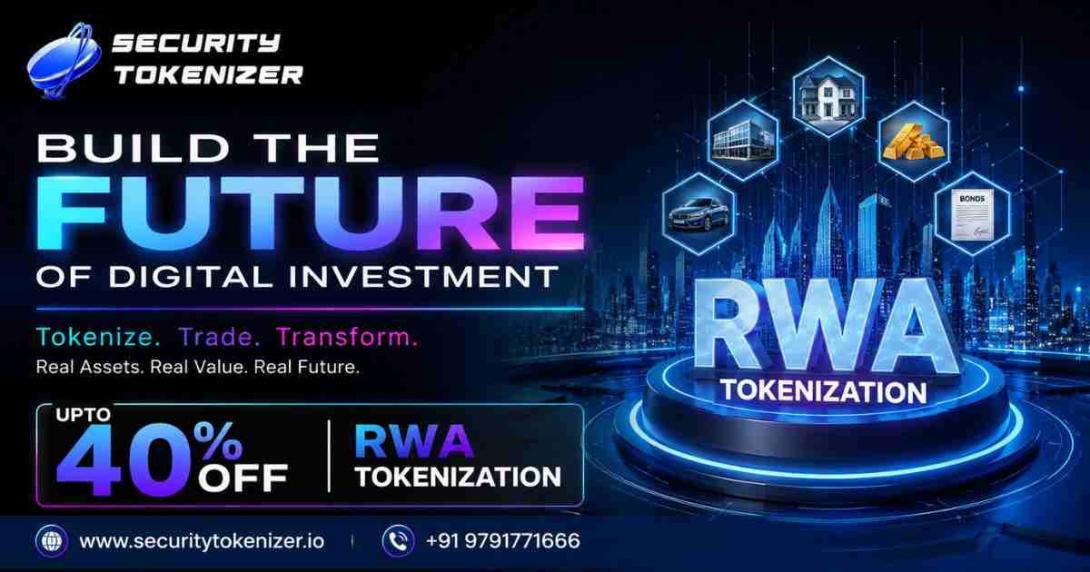
RWA solutions can be applied across multiple asset categories, including:
- Real estate and property holdings
- Commodities and precious metals
- Private equity and investment funds
- Art and collectibles
- Infrastructure and other physical assets
This flexibility makes Tokenization relevant to different industries and business models. Depending on the structure, tokenized ownership can support improved liquidity, broader market reach, and more efficient digital transactions.
Building Flexible Digital Asset Solutions
Businesses can also explore white label Tokenization solutions to accelerate the development of branded digital asset offerings. A customizable solution can help organizations adapt token features, user experiences, compliance mechanisms, and transaction workflows according to their specific requirements.
As blockchain adoption continues to evolve, combining secure smart contracts with well-designed token infrastructure can create a stronger foundation for sustainable digital asset ecosystems.
The Future of Real-World Asset Tokenization
Real-world assets represent a significant opportunity for blockchain adoption because they connect established financial and physical assets with emerging digital infrastructure. As regulations, custody solutions, and institutional participation mature, tokenized assets could become an increasingly important part of the digital investment landscape.
Businesses considering this transition should prioritise security, compliance, transparency, and scalability rather than focusing solely on token creation. With the right technical approach, Security Tokenizer can support businesses exploring Real-World Asset Tokenization and developing tailored blockchain-based asset solutions for the evolving digital economy.