

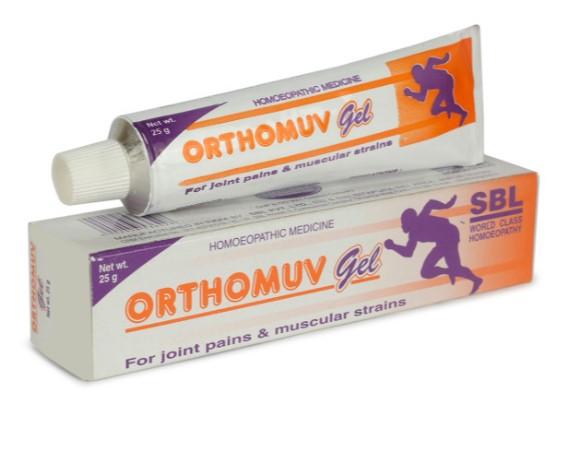
The inflammation may result in discomfort, swelling and pain in the tissues involved. Some drugs for use on the skin that are anti-inflammatory operate by lowering the generation or activity of chemicals that are involved in the inflammatory response. In suitable circumstances this may assist to relieve pain and allow mobility. When an anti-inflammatory gel for pain is put on the skin, the active ingredient might operate locally in the region of application. Anti-inflammatory gel for pain is one reason topical drugs might be effective for those who experience pain localized to a specific muscle or joint. Relieving the pain might make routine tasks easier. Someone with minimal pain after a little strain may find it simpler to move the region when symptoms are relieved. However, pain reduction should not be taken as indication that the underlying injury has healed entirely. Sometimes the discomfort seems better, but if you push on via intense exercise it may prolong healing.
Inflammation may be a factor in pain in such cases as muscle soreness, joint pain, minor sports injuries, strains and sprains. Treatment varies with the cause and may require rest, physical therapy, change of activities, cold or heat treatments, oral medications or topical preparations. The best course of action depends on the person’s symptoms and underlying reason.
What to Consider When Choosing a Topical Pain Relief Product
The first thing to consider when considering whether an Anti-inflammatory gel for pain is right is what is causing the discomfort. Pain caused by a little muscular strain may be treated differently from pain caused by nerve disorders, fractures, infections or internal illnesses. Knowing the probable cause might help establish whether topical therapy is appropriate.
A pain-relieving anti-inflammatory gel is a kind of topical preparation that may be used to treat some forms of localized musculoskeletal discomfort. These solutions are meant to deliver an active ingredient locally by applying the product directly to the skin over an afflicted region. certain are better for certain pain, some for others, and it is contingent upon the health conditions of the individual and the product instructions.
Some preparations include non-steroidal anti-inflammatory drugs, while others may include additional chemicals targeted for specific forms of topical treatment. The gel formulation may be handy for application because it spreads across the skin and can be absorbed locally. Many topical medicines are intended for use on regions such as muscles and joints. Amount to use and frequency depend on the active ingredient and the directions on the individual product. If the pain is localized and is connected to problems such as mild strains, sprains or some forms of joint and muscular pain, an anti-inflammatory gel for pain might be explored.
However, not all types of pain are suitable for therapy with a topical agent. Pain from internal organs, major injuries, infections or other underlying disorders may necessitate a distinct approach to examination and treatment. Also, topical treatments might range greatly in their active ingredients and potency. Some could be over the counter and others may need expert assistance. People need to go over the product information attentively and follow the suggested dose and application directions. They should not assume that all gels function in the same manner.