
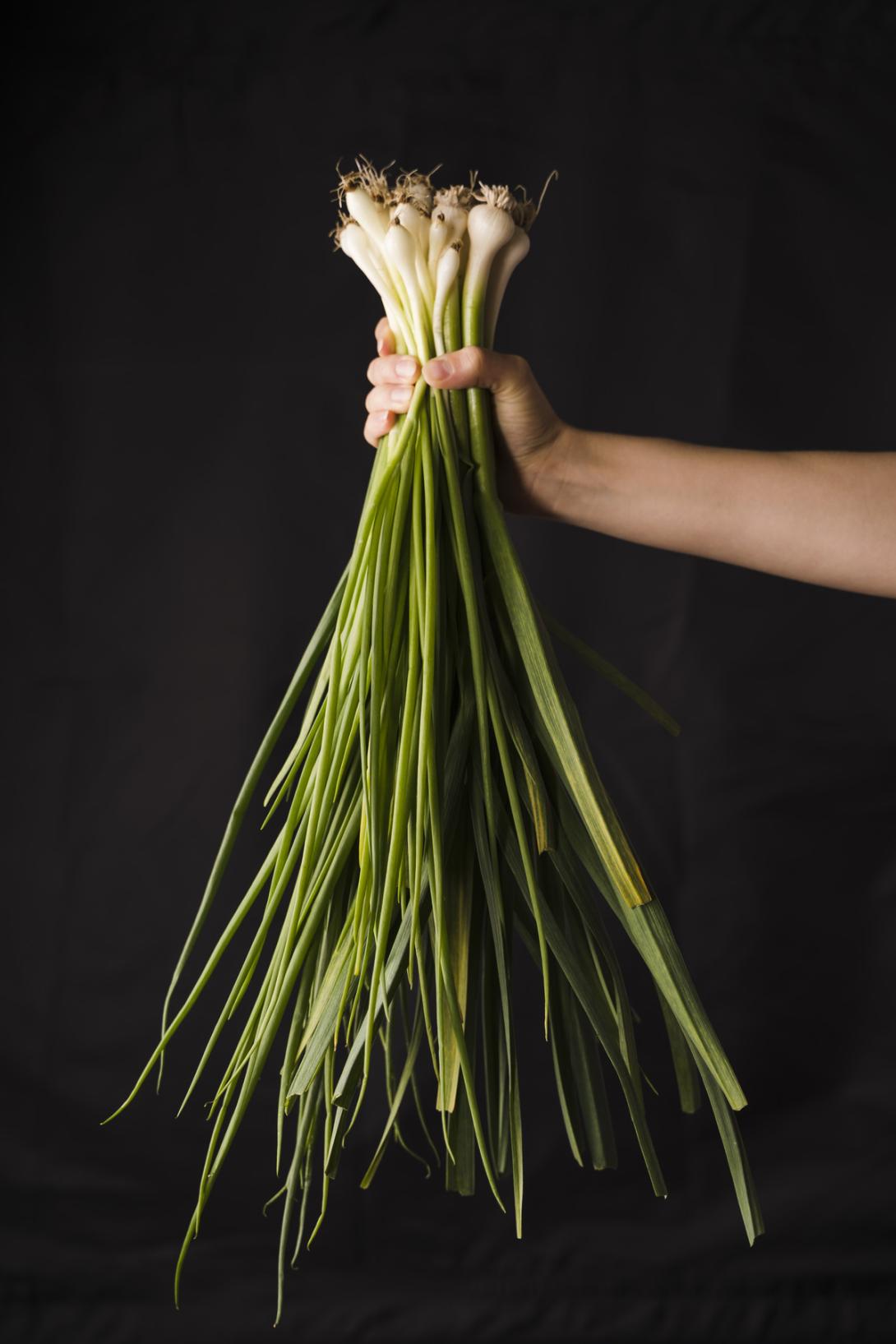
If you’ve ever wanted to grow your own onions—but felt unsure about where to start—late fall is your moment. Here in the East Bay, onion transplants make the whole process simple and rewarding. These little seedlings have already powered through the tricky germination stage, so all you need to do is plant them, care for them, and enjoy the harvest.
Whether you garden in Oakland, San Leandro, Castro Valley, Alameda, San Lorenzo, or beyond, growing onions is easier than you might think—and the results are delicious.
Why Intermediate-Day Onions Are Perfect for Our Climate
Onions don’t form bulbs because of temperature—they do it because of daylight length. That’s why choosing the right type matters.
- Short-day onions bulb too early here.
- Long-day onions never get enough daylight to bulb properly.
- Intermediate-day onions start forming bulbs when days reach 12–14 hours—a perfect match for our East Bay spring.
Plant the right type, and you're already halfway to success.
When and How to Plant Onion Starts
Our planting window runs from late October through early December. During these cool months, your onions settle in, grow strong roots, and get ready to plump up in spring.
Here’s how to get them started:
- Pick a sunny spot that gets at least 6 hours of direct light.
- Raised beds, in-ground beds, or big containers all work great.
- Space each onion start about 4 inches apart in rows 12 inches apart.
- Plant them so the white base is just under the soil—not too deep, not too shallow.
Think of it like tucking them in, not burying them.
Preparing the Soil (and Why It Matters)
Healthy onions start with healthy soil. East Bay clay soils can be dense, so mixing in compost—such as Organic Compost or EB Stone Soil Booster—helps loosen things up.
Onions prefer:
- Loose, well-draining soil
- A pH between 6.0 and 7.0
Before planting, add a balanced fertilizer like EB Stone Sure Start. Then keep feeding your onions every 3–4 weeks through March. They’re surprisingly hungry plants, and consistent nutrients = bigger bulbs.
Watering and Mulching: Keep It Moist, Not Muddy
Onions like consistent moisture but hate soggy soil.
- Water deeply right after planting.
- Through fall and winter, once or twice a week is usually enough.
- Increase watering as spring warms up.
A thin layer of straw, shredded leaves, or compost helps keep moisture where it belongs and cuts down on weeds (which onions really dislike). Avoid thick, heavy mulches like bark—they stay too wet and can cause rot.
Growing Onions in Containers
Yes, you can absolutely grow onions on a patio or balcony.
Choose a pot at least 12 inches deep and use a high-quality mix like Home Harvest Organic Planters Mix or Fox Farm Ocean Harvest. Place the pot in full sun, water regularly, and feed monthly with a liquid organic fertilizer.
Container onions often grow beautifully because you control the soil from the start.
Common Pests & How to Handle Them
Onions are generally pretty tough, but keep an eye out for:
- Thrips – tiny insects that leave silvery streaks. A blast of water or insecticidal soap usually does the job.
To prevent diseases, avoid planting onions where garlic, leeks, or other alliums grew last year.
Harvesting and Storing Your Onions
The most exciting part: harvest time!
Your onions are ready when the green tops start to flop over and turn yellow (usually late spring to early summer). Lift them gently, brush off soil, and let them cure for about two weeks in a warm, dry, shady spot.
Sweet varieties like Walla Walla are best eaten fresh, while sturdier red and yellow onions can last for months when stored properly.
Great Onion Varieties for East Bay Gardens
Here are five tried-and-true intermediate-day varieties available at Evergreen Nursery:
- Red Berger – Crisp, colorful, and mildly sweet.
- Yellow Merlin – High yielding with excellent storage life.
- White Castle – Mild, sweet, and perfect for fresh dishes.
- Florence Torpedo – Long, tapered, beautifully flavored heirloom.
- Walla Walla Sweet – Incredibly juicy and mild—best eaten fresh.
Quick Tips for Onion Growing Success
- Weed regularly—onions don’t compete well.
- Feed monthly until bulbs start forming.
- Stop fertilizing and reduce watering once the tops flop.
- Dry bulbs fully before storing to prevent rot.
Growing onions is one of those garden projects that feels incredibly rewarding—simple to start, fun to watch, and delicious in the kitchen. If you’re ready to get planting, visit Evergreen Nursery in San Leandro for fresh onion starts, soils, compost, fertilizers, and friendly local advice.