
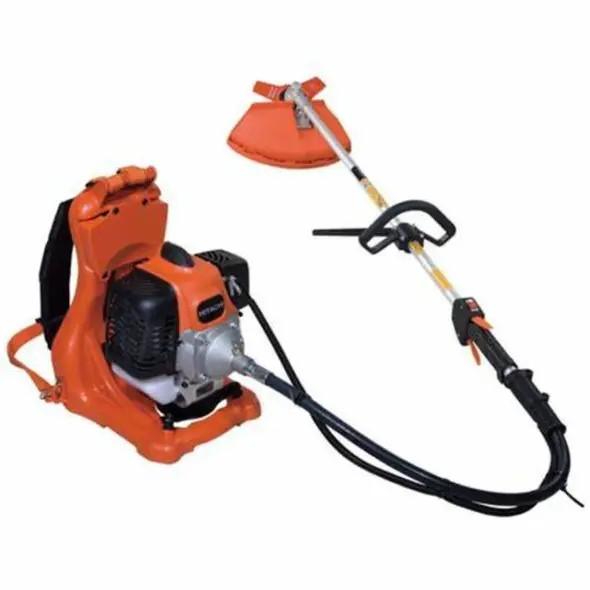
Understanding outdoor power equipment is essential for both professionals and everyday users. Whether you use a brush cutter for landscaping, farming, forestry, or roadside maintenance, knowing how it works can save time, money, and frustration. That’s why this guide on Engine Brush Cutter Parts Explained is designed to help you identify key components, understand their functions, and maintain them properly.
An engine brush cutter is a powerful tool built to cut thick grass, weeds, shrubs, and even small trees. While it may look simple on the outside, it consists of multiple mechanical and engine-related parts working together. When one part fails or is poorly maintained, performance drops quickly.
In this article, we break down each major brush cutter component in simple terms. By the end, you’ll know how each part functions, how to spot early problems, and how to keep your brush cutter running smoothly for years.
What Is an Engine Brush Cutter and How Does It Work?
An engine brush cutter is a motor-powered cutting tool designed for heavy-duty vegetation clearing. Unlike basic grass trimmers, brush cutters use stronger engines and metal cutting attachments to handle tougher jobs.
Basic Working Principle
The engine generates rotational power, which is transferred through a drive shaft to the cutting head. The cutting blade or trimmer head spins at high speed, slicing through vegetation with force and precision.
Common Types of Brush Cutter Engines
- 2-stroke engines – Lightweight, powerful, and commonly used
- 4-stroke engines – More fuel-efficient and quieter, but heavier
Engine Brush Cutter Parts Explained: Main Components Overview
Below is a quick overview of the most important parts before we dive deeper:
Engine
Generates power
Carburetor
Mixes fuel and air
Air Filter
Cleans intake air
Spark Plug
Ignites fuel mixture
Fuel Tank
Stores fuel
Drive Shaft
Transfers power
Gearbox
Changes rotation direction
Cutting Head
Performs cutting
Handle & Controls
User operation
Engine and Power System Components
Engine Assembly
The engine is the heart of the brush cutter. It converts fuel into mechanical energy. Regular engine maintenance ensures strong cutting power and fuel efficiency.
Maintenance Tips:
- Check for oil leaks
- Clean cooling fins
- Avoid overheating by resting during long use
Carburetor
The carburetor mixes fuel and air in the correct ratio before combustion. A dirty or clogged carburetor causes rough idling or hard starting.
Maintenance Tips:
- Clean carburetor jets periodically
- Use fresh fuel
- Avoid long-term fuel storage
Air Filter
The air filter prevents dust and debris from entering the engine. A clogged filter reduces power and increases fuel consumption.
Maintenance Tips:
- Clean foam filters weekly
- Replace damaged filters
- Never operate without a filter
Spark Plug
The spark plug ignites the fuel-air mixture inside the engine cylinder. Worn spark plugs cause misfiring and reduced efficiency.
Maintenance Tips:
- Clean carbon deposits
- Check electrode gap
- Replace annually or as needed
Fuel System and Ignition Parts
Fuel Tank
The fuel tank stores gasoline or fuel mixture. Cracks or leaks can be dangerous.
Maintenance Tips:
- Inspect for leaks
- Use clean fuel
- Tighten fuel cap securely
Fuel Lines and Primer Bulb
Fuel lines deliver fuel to the carburetor, while the primer bulb helps start the engine.
Maintenance Tips:
- Replace cracked hoses
- Keep primer bulb flexible
- Avoid ethanol damage
Power Transmission and Cutting System
Drive Shaft
The drive shaft transfers engine power to the cutting head. It runs inside the shaft tube.
Maintenance Tips:
- Lubricate periodically
- Check for vibration
- Replace worn bearings
Gearbox (Angle Gear)
The gearbox changes rotational direction from horizontal to vertical. It allows smooth blade rotation.
Maintenance Tips:
- Apply grease regularly
- Listen for grinding noises
- Tighten mounting bolts
Cutting Head (Blade or Trimmer Head)
This is the working end of the brush cutter. It can be:
- Nylon trimmer head
- Metal blade
- Saw blade
Maintenance Tips:
- Sharpen metal blades
- Replace worn nylon lines
- Always balance blades
Control and Safety Components
Handle and Throttle Control
The handle provides grip and control, while the throttle controls engine speed.
Maintenance Tips:
- Tighten handle bolts
- Ensure smooth throttle movement
- Replace sticky cables
Safety Guard and Harness
Guards protect the user from debris, and harnesses distribute weight evenly.
Maintenance Tips:
- Never remove safety guards
- Adjust harness for comfort
- Replace cracked shields
Common Brush Cutter Problems and Part-Related Causes
Problem
Likely Part Issue
Hard starting
Spark plug, carburetor
Low power
Air filter, fuel line
Excess vibration
Blade, gearbox
Engine overheating
Air filter, cooling fins
FAQs: Engine Brush Cutter Parts Explained
1. How often should brush cutter parts be serviced?
Light users should service every 3–6 months; heavy users monthly.
2. Can I replace brush cutter parts myself?
Yes, basic parts like filters, spark plugs, and blades are easy to replace.
3. Which part fails most often?
Air filters and spark plugs due to dust and heat exposure.
4. Is a 2-stroke engine harder to maintain?
It requires fuel mixing but is simpler mechanically.
5. Can dull blades damage the engine?
Yes, they increase load and fuel consumption.
6. Are original spare parts necessary?
Using genuine or high-quality compatible parts ensures safety and longevity.
Conclusion: Why Understanding Brush Cutter Parts Matters
Learning Engine Brush Cutter Parts Explained is not just technical knowledge—it’s practical power. When you understand how each part works and how to maintain it, you extend equipment life, improve safety, and reduce downtime.
Whether you’re a professional landscaper, farmer, or maintenance worker, proper care of engine brush cutter components ensures reliable performance season after season. Regular inspections, timely replacements, and correct usage make all the difference.