

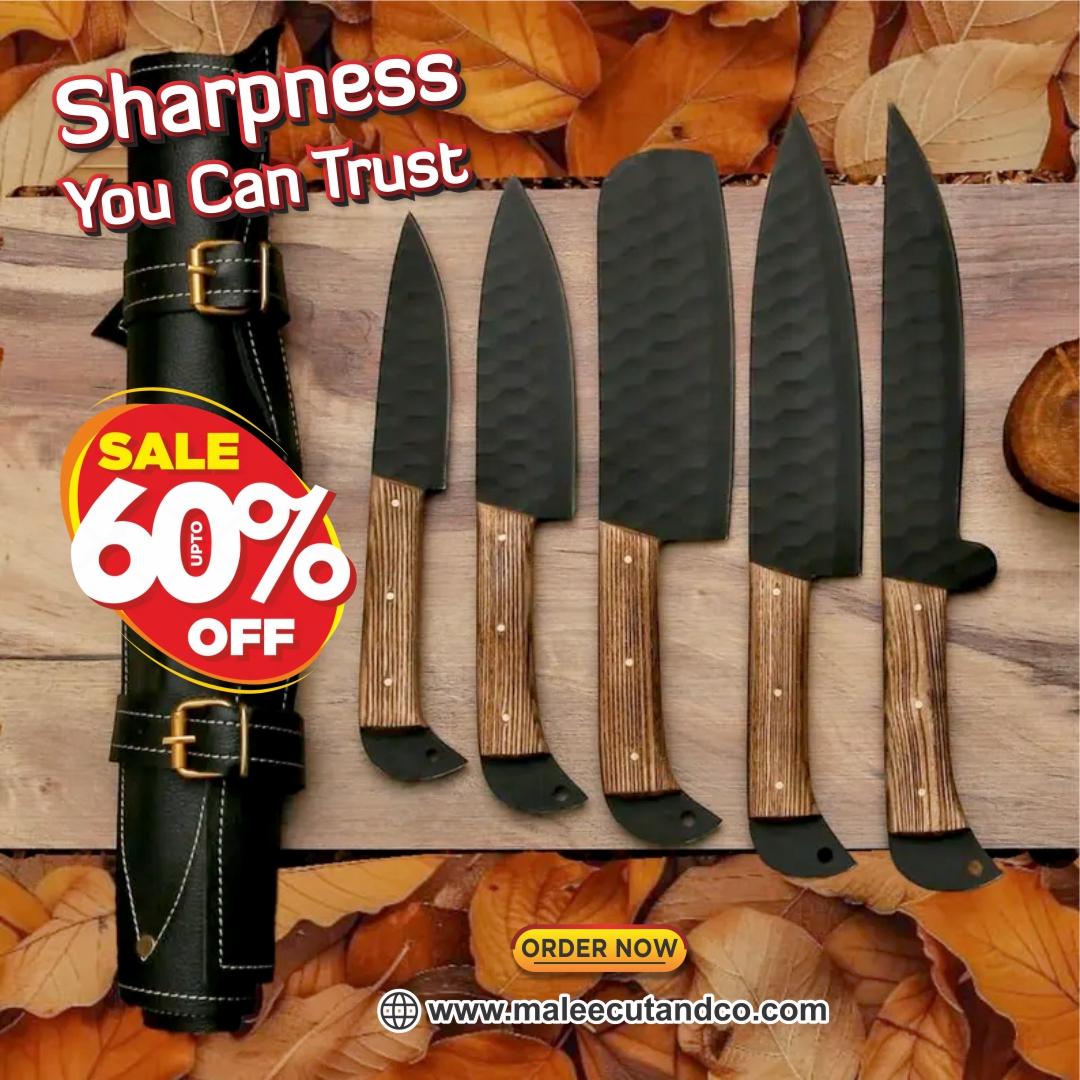
When it comes to cooking, the right tools can make a world of difference, and for professional chefs, a high-quality knife set is non-negotiable. A professional chef knife set isn’t just about having the sharpest knives; it’s about having the right tools for every task, ensuring comfort, precision, and longevity. With so many options available, how do you choose the best professional chef knife set for your needs? In this guide, we’ll help you navigate through the essential factors to consider, making sure you pick the perfect set for your kitchen.
Why a Professional Chef Knife Set Is Essential
A professional chef knife set is more than just a collection of knives; it’s a carefully curated selection of tools designed for specific tasks that can help elevate your cooking experience. The right set can significantly improve your efficiency, precision, and comfort in the kitchen. Here’s why having a professional knife set is crucial:
- Versatility: A good knife set includes all the essential knives you need for various tasks, from chopping vegetables to slicing meat or filleting fish.
- Durability: Professional knives are made from high-quality materials, ensuring that they last longer and perform better than regular knives.
- Precision and Control: Professional chef knives are designed for maximum control, enabling you to make precise cuts with ease.
- Comfort: A set designed for professional use is ergonomically crafted, reducing hand fatigue even during long hours in the kitchen.
Step 1: Assess Your Cooking Style and Needs
The best professional chef knife set for you depends on your specific cooking style. Do you often cook meat, fish, or vegetables? Are you a baker who needs precision for cutting dough and pastries? Knowing your specific needs will help you determine which knives should be in your set.
1.1 General Cooking Needs
If you’re looking for a knife set for general cooking, make sure your set includes these essential knives:
- Chef’s Knife: The most versatile knife in the set, perfect for chopping, slicing, dicing, and general food preparation.
- Paring Knife: Ideal for intricate tasks like peeling, trimming, and cutting small fruits or vegetables.
- Serrated Knife: Essential for cutting through bread, tomatoes, or anything with a tough exterior and soft interior.
- Utility Knife: A smaller, medium-sized knife for cutting sandwiches, slicing cheese, or other mid-sized tasks.
1.2 Specialized Cooking Needs
If you specialize in certain types of cuisine, consider adding these knives to your set:
- Santoku Knife: A Japanese-style knife that is excellent for chopping, slicing, and dicing, often used for vegetables and delicate fish.
- Boning Knife: For precision cutting around bones when preparing meat or poultry.
- Filleting Knife: If you work with fish regularly, a flexible filleting knife allows for clean, precise cuts along the bones.
- Cleaver: For heavy-duty tasks, such as cutting through bone or large cuts of meat.
Step 2: Blade Material and Quality
The material of your professional chef knives plays a critical role in their performance and longevity. Here are the most common blade materials to consider:
2.1 High-Carbon Stainless Steel
This is the most popular choice for professional knives. High-carbon stainless steel is strong, rust-resistant, and retains its sharp edge longer than regular stainless steel. It’s ideal for chefs who want reliable, durable knives that can withstand daily use.
- Pros: Excellent sharpness, durability, and resistance to rust and stains.
- Cons: Requires maintenance to prevent dulling or corrosion, especially in humid environments.
2.2 Damascus Steel
Damascus steel is known for its beautiful, layered pattern and exceptional sharpness. It is forged through a unique process that creates a strong, durable blade with an eye-catching design. While Damascus knives can be more expensive, they are highly revered by professional chefs for their superior performance.
- Pros: Superior sharpness, strength, and stunning appearance.
- Cons: Typically more expensive and may require more careful maintenance.
2.3 Ceramic
Ceramic knives are lightweight, ultra-sharp, and resistant to rust. However, they are more brittle than steel knives and can chip or break if dropped. They are perfect for cutting fruits and vegetables, but aren’t suitable for tasks like chopping through bones or hard materials.
- Pros: Lightweight, extremely sharp, and resistant to rust.
- Cons: Brittle and prone to chipping or breaking, not ideal for heavy-duty tasks.
2.4 VG-10 Steel
VG-10 is a high-quality Japanese steel known for its sharpness and long-lasting edge. It’s often used in premium knife sets and is favored for its ability to hold an edge longer, requiring less frequent sharpening.
- Pros: Retains a sharp edge longer, is resistant to rust, and is easy to sharpen.
- Cons: Can be more expensive than other types of steel.
Step 3: Handle Material and Comfort
The handle is just as important as the blade when it comes to comfort and control. An ergonomic handle reduces hand fatigue and allows for better maneuverability, especially during long cooking sessions. Here are some common handle materials:
3.1 Wooden Handles
Wooden handles are traditional and offer a comfortable grip. However, they require more maintenance to keep them looking their best, as they can crack or dry out over time.
- Pros: Aesthetic appeal, comfortable grip.
- Cons: Requires regular maintenance and care.
3.2 Plastic or Composite Handles
Plastic and composite handles (often made from materials like G-10 or micarta) are durable, lightweight, and resistant to moisture. They’re also easy to clean and maintain, making them ideal for busy kitchens.
- Pros: Durable, resistant to moisture, and low maintenance.
- Cons: May not feel as traditional or premium as wood handles.
3.3 Stainless Steel Handles
Stainless steel handles are sleek and modern, offering durability and easy maintenance. However, they can feel cold and may not offer as much grip compared to wood or composite handles.
- Pros: Durable, easy to clean, and modern design.
- Cons: Can feel uncomfortable or slippery in the hand.
Step 4: Knife Set Size and Configuration
The number of knives in your professional chef knife set will depend on your cooking needs and the space available in your kitchen. A basic professional set usually includes a chef’s knife, paring knife, bread knife, and a utility knife. If you plan on working with specific types of food, like fish or meat, consider adding a boning knife, fillet knife, or carving knife to your set.
4.1 Full Set or Starter Set?
- Full Set: If you’re a professional chef or someone who frequently cooks a wide variety of dishes, a full knife set (usually 10-15 pieces) may be a better investment. It covers all the essential knives and often includes bonus tools like steak knives or sharpening tools.
- Starter Set: If you’re just starting, a smaller set with just the basics (chef’s knife, paring knife, utility knife) will be sufficient.
Step 5: Brand Reputation and Warranty
When purchasing a professional chef knife set, it’s important to consider the brand’s reputation and the warranty that comes with the knives. Well-known brands like Wüsthof, Global, Shun, Zwilling J.A. Henckels, and Miyabi have built their reputations by producing high-quality, reliable knives that are trusted by professionals worldwide.
- Warranty: Many top brands offer lifetime warranties on their knives, ensuring that any defects or issues will be resolved. This gives you peace of mind, knowing you’ve invested in a product that’s built to last.
Conclusion
Choosing the best professional chef knife set for your needs is about more than just purchasing the most expensive or trendy set—it’s about finding a collection of knives that suits your cooking style, offers comfort and precision, and lasts for years to come. Whether you’re a seasoned pro or an aspiring chef, selecting the right knives will elevate your cooking experience, enhance your efficiency, and give you the control needed for perfect cuts every time.
Remember to assess your specific cooking needs, choose a knife set made from quality materials, and invest in a brand with a strong reputation. With the right professional chef knife set in your kitchen, you’ll be equipped to tackle any recipe with confidence and ease.