
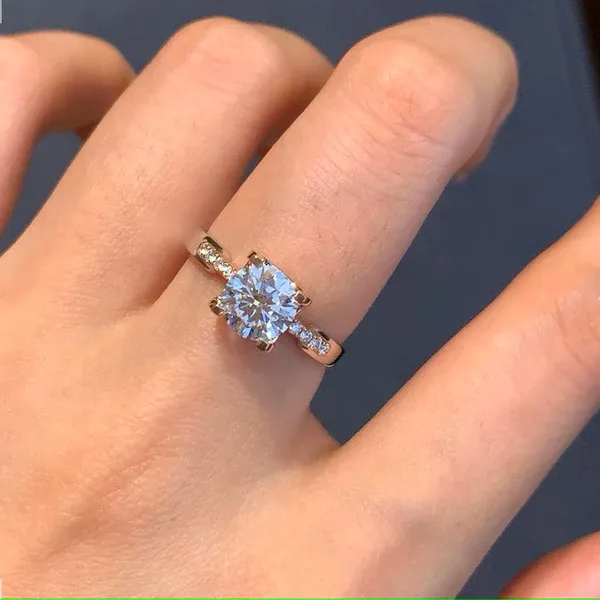
Jewelry trends continue to evolve, but some design ideas remain appealing because they offer both character and versatility. Two-tone rings are a good example. By combining two different metal colors in one setting, these rings create visual contrast without relying on excessive decoration. The result can be contemporary, classic, or somewhere in between, depending on the shape, finish, and diamond arrangement.
A two-tone design can pair metals such as white and yellow tones to create a balanced appearance. The lighter metal can provide a bright backdrop for the diamond, while the warmer metal adds depth and a traditional jewelry feel. This combination makes the ring easier to coordinate with different types of jewelry and personal styles.
The addition of lab grown diamonds adds another dimension to the design. These diamonds have the same fundamental chemical composition and crystal structure as mined diamonds, while being created in a controlled laboratory environment. Their availability in a wide range of cuts, sizes, and qualities gives designers considerable flexibility when developing distinctive ring styles.
For shoppers considering a ring that feels personal rather than overly conventional, the combination of contrasting metals and a brilliant center stone can be especially appealing. It offers enough detail to stand out while maintaining the timeless character expected from fine diamond jewelry.
Why Lab Grown Diamonds Work Well With Two-Tone Settings
The beauty of a ring depends on how its individual elements work together. In a two-tone design, the interaction between the metals and the diamond can make the stone appear especially prominent. A carefully designed setting can use the contrast between metal colors to draw attention toward the center stone or create a more intricate appearance around the band.
Lab grown diamonds are available in many traditional cuts, including round, oval, cushion, emerald, pear, and marquise shapes. Each cut interacts differently with a two-tone setting. For example, a round brilliant diamond can emphasize a classic appearance, while an elongated oval or emerald cut may give the ring a more contemporary character.
The metal combination also affects the overall personality of the piece. A white-toned metal paired with a yellow-toned metal can create a refined contrast, while other combinations can produce a subtler transition. Some designs use one metal as the primary band and the second metal as an accent, whereas others incorporate both tones throughout the structure of the ring.
Another advantage is styling flexibility. A single-color ring may naturally coordinate with one particular jewelry collection, but a two-tone ring can bridge different metal colors. Someone who already wears both warm and cool-toned jewelry may find this particularly useful because the ring can complement both without appearing mismatched.
For those interested in exploring styles designed around this combination, browse lab grown diamond two tone rings to compare different silhouettes, metal combinations, stone shapes, and setting details. Looking across several designs can make it easier to identify the proportions and styling that best suit your preferences.
What to Consider Before Choosing a Two-Tone Lab Grown Diamond Ring
One of the first considerations is diamond cut. Cut influences how effectively a diamond reflects light, so it deserves particular attention when comparing different stones. Shape is also important because it determines the visual character of the ring. Someone looking for a traditional appearance may prefer a round shape, while those wanting something less conventional might consider an oval, pear, or emerald cut.
Color and clarity are additional factors to evaluate. A diamond does not necessarily need the highest possible grade to look beautiful, but understanding grading helps shoppers compare stones intelligently. The ideal balance depends on the design, budget, and individual preferences.
The choice of metal should also be considered carefully. Think about which colors are already common in your jewelry collection and whether you want the ring to blend in or create contrast. Two-tone designs are particularly useful for people who do not want to commit to just one metal color.
Ring proportions matter as well. A larger center stone may require a setting with appropriate support, while a delicate design can create a lighter and more understated appearance. The width and profile of the band can influence comfort, especially if the ring is intended for everyday wear.
It is also helpful to consider the lifestyle of the person wearing the ring. A ring worn every day may benefit from a practical setting and a comfortable profile. Someone purchasing a special-occasion piece may place greater emphasis on elaborate detailing or an unusual design.
Certification and product information are worth reviewing when purchasing a diamond. Clear information about the stone and its characteristics can make the selection process more transparent. Buyers should also pay attention to sizing information, metal specifications, care recommendations, and return policies before making a final decision.
Styling and Wearing Two-Tone Rings
One of the strongest qualities of a two-tone ring is its ability to work with different wardrobes and jewelry combinations. The contrasting metals create a natural connection between warm and cool-toned accessories, making the ring adaptable for everyday outfits as well as formal occasions.
For a minimalist appearance, the ring can be worn on its own. This allows the diamond and contrasting metal design to remain the focus. A simple watch, small earrings, or a delicate bracelet can complete the look without competing with the ring.
For engagement or wedding jewelry, two-tone designs can also be paired with bands that introduce one of the metals used in the engagement ring. This can create a coordinated appearance without requiring every piece of jewelry to use exactly the same metal.
Stacking is another option, particularly with rings that have a relatively streamlined profile. A plain band in one of the ring's metal tones can emphasize the contrast, while a delicate diamond band can add additional sparkle. However, it is important to consider how different ring profiles sit together. Pieces that rub against each other frequently may require additional care.
Two-tone rings can also transition easily between casual and formal settings. Their mixed-metal character gives them enough visual interest for special occasions while remaining practical enough to become part of an everyday jewelry collection.
Making a Thoughtful Choice for Your Jewelry Collection
A diamond ring is often purchased for an important milestone, but its value as a piece of jewelry can extend far beyond that moment. A thoughtfully selected design should reflect the wearer's personality and remain appealing as styles change.
Two-tone rings offer an interesting middle ground between traditional and contemporary jewelry. The combination of metals gives designers room to create contrast, while the diamond maintains the classic brilliance associated with fine jewelry. Lab grown diamonds further expand the available options by providing a broad selection of shapes and specifications.
When comparing different rings, avoid focusing on a single feature. Consider the entire design, including the diamond's cut, the metal combination, band proportions, setting style, craftsmanship, and comfort. Looking at these elements together gives a more accurate impression of whether a particular ring is right for you.
It can also be useful to think about long-term styling. Jewelry that coordinates with several metal colors may offer more versatility than a piece designed around one specific look. This is one reason mixed-metal jewelry has remained relevant across changing fashion preferences.
For shoppers seeking a distinctive design, Antiquecut offers a selection centered on lab grown diamond two-tone ring styles, giving buyers an opportunity to explore different interpretations of this modern jewelry trend.
Conclusion
Lab grown diamond two tone rings combine several qualities that make them appealing to today's jewelry shoppers: the brilliance of a diamond, the flexibility of mixed-metal styling, and the ability to create a look that feels both familiar and distinctive. The contrast between metal colors can add depth to a ring without overwhelming the center stone, while different diamond shapes and setting styles allow the design to be personalized.
Choosing the right ring ultimately comes down to balancing appearance, comfort, quality, and individual taste. Paying attention to diamond cut, metal details, proportions, craftsmanship, and everyday wear ability can help ensure that the final choice is attractive as well as practical.
Whether selected as an engagement ring, anniversary gift, or meaningful addition to a personal jewelry collection, a well-designed two-tone ring can offer lasting versatility. Its ability to combine contrasting elements while maintaining a refined appearance makes it a compelling option for anyone looking for a modern interpretation of classic diamond jewelry.