

Introduction
A daily commute is more than just travelling from one place to another. It is a small part of everyday life that can influence mood, comfort, and the overall driving experience. Whether travelling through busy city streets, driving along open highways, or spending long hours in traffic, the atmosphere inside a vehicle can make every journey feel different. While comfortable seating, clean interiors, and pleasant music contribute to a relaxing drive, fragrance is another important element that often goes unnoticed.
Just as people adjust their clothing, food preferences, and daily routines according to changing weather, the fragrance inside a vehicle can also change with the seasons. A fresh citrus aroma may feel refreshing during warm summer afternoons, while warm woody or spicy notes can create a cosy atmosphere during colder months. This thoughtful approach to choosing and changing vehicle fragrances is often described as scent-scaping.
Selecting a suitable fragrance for each season is not simply about following trends. It is about understanding how temperature, humidity, personal preferences, and the driving environment influence the way a scent feels inside a car.
Understanding the Connection Between Fragrance and Seasons
Every season brings a different atmosphere. Summer is often associated with sunshine, warmth, and outdoor activities, while winter creates a preference for comfort, warmth, and relaxation. Spring introduces fresh flowers and greenery, whereas autumn is recognised for its earthy colours and cooler temperatures.
Fragrances can reflect these seasonal changes through their different scent profiles. Light and refreshing aromas generally feel comfortable in warm weather, while richer fragrances may create a pleasant atmosphere during colder days.
Temperature also affects how fragrances behave. Heat can increase the rate at which fragrance ingredients evaporate, making certain scents seem stronger inside a vehicle. In colder conditions, fragrance evaporation may slow down, changing how quickly the aroma develops.
Understanding these differences helps drivers select fragrances that complement their surroundings without becoming overwhelming.
Spring: Fresh and Floral Scents for a New Beginning
Spring is a season associated with renewal, blooming flowers, and fresh air. As temperatures become moderate and nature returns to life, lighter fragrances often become a suitable choice for vehicle interiors.
Floral scents such as jasmine, rose, and lavender can create a soft and refreshing atmosphere. These fragrances are commonly associated with cleanliness and relaxation. Green and herbal notes can also complement the season, bringing a natural feeling to the driving environment.
Spring is also a good time to explore fragrances that combine floral elements with citrus undertones. Such combinations can create a balanced aroma that feels neither too sweet nor too heavy.
The key is to select a fragrance that complements the freshness of the season while remaining subtle enough for everyday travel.
Summer: Light and Refreshing Fragrances for Warm Days
Summer introduces higher temperatures, increased humidity, and longer periods of sunlight. During this season, vehicle interiors can become considerably warmer, particularly when cars remain parked outdoors.
Under these conditions, strong fragrances may become more noticeable and sometimes overwhelming. Therefore, lighter scent profiles are generally more comfortable for summer driving.
Citrus fragrances such as lemon, orange, bergamot, and grapefruit are popular choices because of their fresh and energising character. Ocean-inspired aromas, green tea, and mint-based fragrances can also create a clean and refreshing feeling.
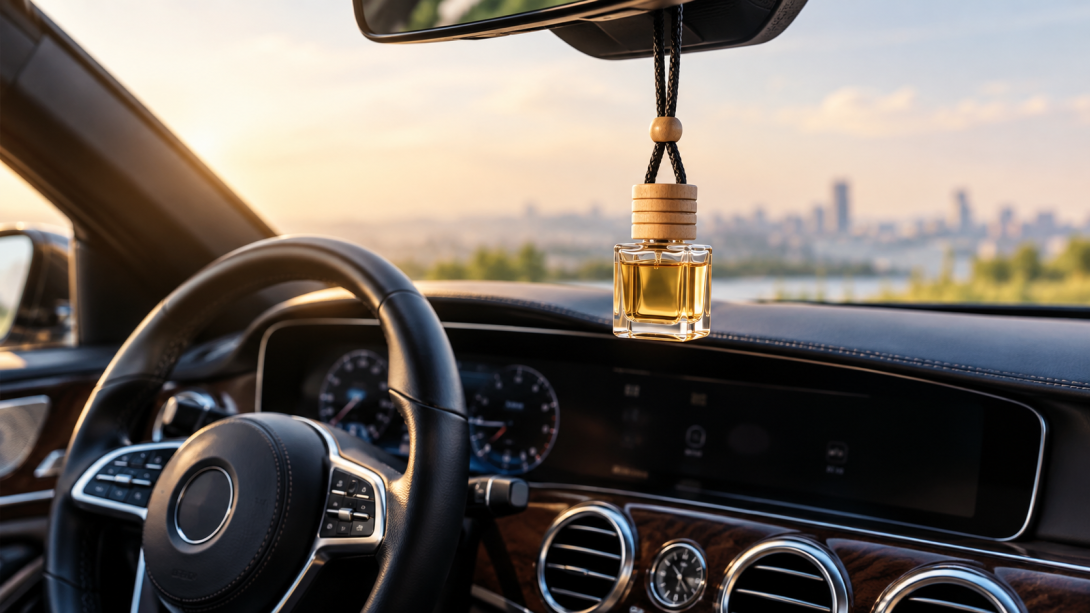
When selecting car hanging air fresheners for summer, it is worth considering how the fragrance performs in warmer temperatures. A scent that feels pleasant in a cool environment may become too intense inside a hot vehicle.
Choosing a fragrance with a balanced intensity can help maintain a comfortable atmosphere throughout the journey. Proper ventilation and parking in shaded areas can also make a difference in maintaining a pleasant vehicle interior.
Autumn: Warm and Earthy Notes for a Comfortable Drive
As summer gradually fades, autumn brings cooler mornings, changing leaves, and a more relaxed atmosphere. Fragrance preferences often shift during this transition, moving from bright and refreshing aromas towards deeper and warmer scent combinations.
Woody, spicy, and slightly sweet fragrances are particularly suitable for this season. Sandalwood, cedarwood, cinnamon, amber, and cardamom are examples of notes that can create a rich yet comfortable fragrance experience.
Earthy fragrances also complement the natural character of autumn. Their balanced profiles can make a vehicle feel inviting, especially during early morning commutes and evening drives.
However, richness does not necessarily mean intensity. A fragrance should remain pleasant throughout the journey without becoming too concentrated in the enclosed space of a car.
Winter: Rich and Cosy Fragrances for Colder Weather
Winter changes the driving experience in several ways. Colder temperatures, shorter daylight hours, and increased use of vehicle heating systems create a different atmosphere inside the cabin.
During this season, warm and comforting fragrances can complement the environment. Vanilla, amber, musk, oud, and soft woody notes are commonly associated with warmth and depth. These fragrance families can create a cosy feeling without relying on overly fresh or sharp aromas.
Some winter fragrances also include spicy notes such as cinnamon, clove, and nutmeg. When balanced carefully, these ingredients can add character and richness to a vehicle's interior atmosphere.
It is important to remember that heating systems and limited ventilation can influence how a fragrance is experienced. A scent that seems mild at first may become more noticeable during a longer journey. Moderate fragrance intensity is therefore a sensible choice.
How Temperature Influences Fragrance Performance
Seasonal fragrance selection is not only about choosing scents that match the weather. Temperature plays a practical role in fragrance performance.
Fragrance products contain aromatic compounds that gradually evaporate and release their scent into the surrounding air. Warmer conditions can accelerate this process, while cooler environments may slow it down.
This means the same fragrance can create different experiences depending on the season. A fresh fragrance may feel light during winter but become more noticeable during summer. Similarly, a rich woody fragrance may feel comforting in colder weather but somewhat heavy in a hot vehicle.
Humidity, air circulation, sunlight exposure, and the size of the vehicle interior can also influence fragrance perception.
For this reason, choosing a seasonal fragrance requires considering both the scent itself and the conditions in which it will be used.
Choosing the Right Fragrance Intensity for Daily Commuting
A vehicle is a relatively enclosed environment, which makes fragrance intensity particularly important. Unlike larger rooms, car interiors have limited space for air circulation. Even a pleasant fragrance can become uncomfortable when it is too strong.
For everyday commuting, subtle fragrances are generally more suitable than overpowering ones. A balanced scent should create a pleasant background atmosphere without distracting the driver or affecting passengers.
People who frequently travel long distances may prefer softer fragrance profiles that remain comfortable over extended periods. Those who mainly drive for short journeys might enjoy experimenting with different seasonal scents.
Fragrance preferences are also personal. Some people enjoy fresh and clean aromas, while others prefer floral, fruity, woody, or musky compositions. The ideal choice is one that feels comfortable to the occupants of the vehicle.
Maintaining a Pleasant and Fresh Vehicle Interior
A good fragrance can improve the atmosphere inside a vehicle, but it cannot replace proper cleaning and maintenance. Dust, food particles, moisture, and accumulated dirt can contribute to unpleasant odours.
Keeping the dashboard, seats, carpets, and floor mats clean helps maintain a fresher interior. Regularly removing rubbish, cleaning spills, and allowing fresh air to circulate can also prevent unwanted smells from developing.
It is equally important to follow the manufacturer's instructions when using hanging fragrance products. Avoid placing them where they obstruct visibility, interfere with driving controls, or come into contact with sensitive interior surfaces.
A clean vehicle provides a better environment for experiencing fragrance because unwanted odours are less likely to interfere with the selected scent.
Creating a Seasonal Fragrance Routine
Changing vehicle fragrances throughout the year can become a simple part of seasonal maintenance. Rather than using the same aroma every month, drivers can explore different fragrance families as the weather changes.
Spring can introduce floral and green notes, summer can focus on citrus and aquatic fragrances, autumn can bring woody and earthy aromas, and winter can welcome warm and comforting compositions.
There is no strict rule that requires changing fragrances with every season. Personal preference, comfort, and fragrance performance should always remain the main considerations.
It is also helpful to allow a previous fragrance to fade before introducing a completely different scent. Mixing several strong aromas can create an unpleasant combination rather than a balanced fragrance experience.
Conclusion
Scent-scaping is a thoughtful way to make everyday commuting more enjoyable by matching vehicle fragrances to the changing seasons. From fresh floral aromas in spring to refreshing citrus notes in summer, earthy fragrances in autumn, and warm woody scents in winter, every season offers different opportunities to explore fragrance.
The most suitable fragrance is not necessarily the strongest or most expensive option. It is the one that complements the weather, performs comfortably inside the vehicle, and creates a pleasant atmosphere for drivers and passengers.
By understanding seasonal fragrance families, temperature effects, and the importance of proper vehicle maintenance, it becomes easier to create a balanced driving environment throughout the year. A carefully selected scent can add a small but meaningful touch of comfort to even the most ordinary commute.