

Have you ever noticed a strange vibration running through your car while cruising down the highway? Or perhaps you've heard an odd clunking sound when accelerating from a standstill? Could these be signs of something serious lurking beneath your vehicle?
Your propeller shaft—also known as a drive shaft—plays a vital role in getting power from your engine to your wheels. It's one of those components most drivers never think about until something goes wrong. Yet when it fails, the consequences can range from an annoying rattle to a complete breakdown on the side of the road. Understanding what this essential part does and recognising when it needs attention could save you thousands of dollars and keep you safe on Australian roads.
Understanding How Your Propeller Shaft Works
The Role of the Propeller Shaft in Your Drivetrain
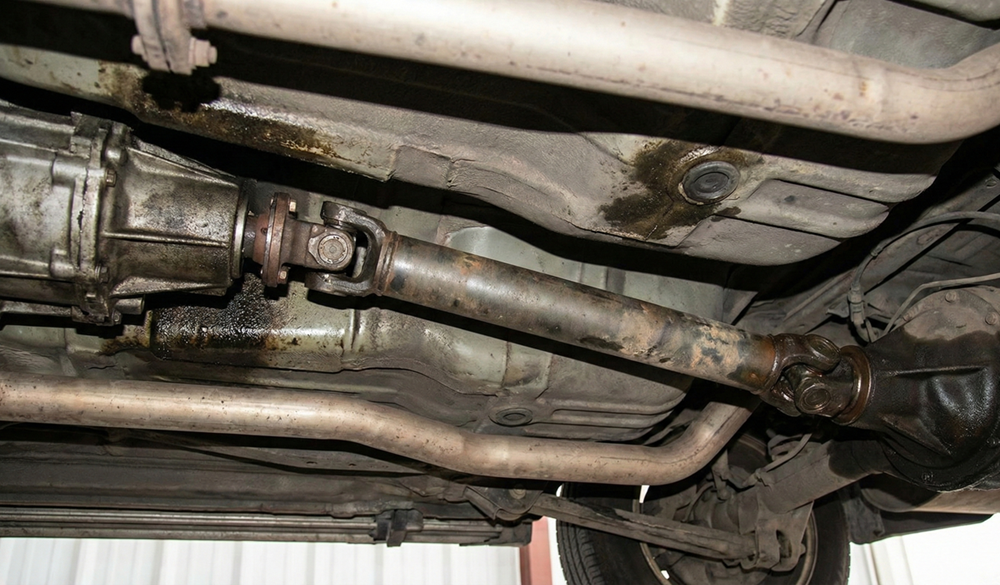
Your propeller shaft is essentially a rotating tube that transfers torque from your gearbox to the differential, which then sends power to your wheels. Think of it as the messenger between your engine and the road. Without it, all that engine power would have nowhere to go.
In rear-wheel and four-wheel drive vehicles, this component is absolutely critical. It needs to handle massive amounts of rotational force while compensating for the constant movement of your suspension. That's no small feat when you consider the rough conditions Australian roads can throw at your vehicle.
The propeller shaft must also accommodate changes in angle and length as your vehicle moves over bumps and dips. This flexibility is what makes it such an engineering marvel—and also what makes it vulnerable to wear over time.
Key Components: Universal Joints, Centre Bearings, and More
Several components work together to make your propeller shaft function properly. Universal joints (U-joints) sit at each end, allowing the shaft to pivot and flex as needed. Centre bearings provide support on longer shafts, reducing vibration and preventing the shaft from whipping around.
Slip yokes allow for length changes during suspension travel. When any of these parts wear out, you'll start noticing problems. The good news? Catching issues early often means replacing individual components rather than the entire assembly.

Warning Signs Your Propeller Shaft Needs Attention
Unusual Vibrations While Driving
Vibrations are often the first sign something's amiss. You might feel them through the floor, steering wheel, or even your seat. These vibrations typically worsen as you increase speed, becoming particularly noticeable around 60-80 km/h.
A worn universal joint or imbalanced shaft usually causes this issue. Don't ignore it—those vibrations are putting stress on other drivetrain components every kilometre you drive.
Clunking or Knocking Sounds
Hearing a clunk when you shift gears or accelerate? This often indicates worn U-joints or excessive play in the drivetrain. The sound might be subtle at first but will grow louder over time.
Pay attention to when the noise occurs. Clunking during acceleration suggests different problems than sounds heard when coasting. This information helps mechanics diagnose the issue faster.
Difficulty Turning or Steering Issues
While less common, propeller shaft problems can affect your steering feel. Excessive vibration or binding can transmit through the drivetrain, making your vehicle feel less responsive or causing resistance when turning.
Visible Wear, Rust, or Physical Damage
Take a look underneath your vehicle occasionally. Check for rust, dents, or obvious damage to the shaft itself. Look at the U-joints for signs of grease leakage or discolouration. Catching physical damage early prevents more serious failures down the track.
What Happens If You Ignore Propeller Shaft Problems?
Can a Bad Propeller Shaft Damage Your Transmission?
Absolutely. A failing propeller shaft creates excessive vibration that travels directly into your transmission's output shaft and bearings. Over time, this causes premature wear on seals and internal components. What starts as a relatively inexpensive U-joint replacement can quickly snowball into transmission repairs costing several thousand dollars.
Safety Risks: Could a Failing Propeller Shaft Cause an Accident?
This is where things get serious. A propeller shaft that completely fails while driving can drop onto the road, potentially causing you to lose control. In extreme cases, it can pole-vault the vehicle or damage other cars. The vibration from a failing shaft also makes your vehicle harder to control, especially in emergency situations.
The Domino Effect on Other Drivetrain Components
Your drivetrain works as a system. When one component fails, it stresses everything connected to it. A bad propeller shaft can damage your differential, wheel bearings, and even your gearbox mounts. Addressing problems promptly prevents this expensive domino effect.
How Long Does a Propeller Shaft Last?
Average Lifespan and What Affects It
Most propeller shafts last between 100,000 and 200,000 kilometres, though this varies widely. Driving conditions play a huge role—corrugated outback roads, frequent towing, and off-road adventures all accelerate wear.
Regular servicing and greasing (where applicable) extend lifespan significantly. Vehicles driven primarily on smooth sealed roads typically see their propeller shafts last much longer than those worked hard in challenging conditions.
How Often Should You Have Your Propeller Shaft Inspected?
Include propeller shaft inspection in your regular servicing schedule—at least annually or every 15,000-20,000 kilometres. If you frequently drive on rough roads, tow heavy loads, or notice any symptoms, have it checked sooner.
Can You Drive with a Damaged Propeller Shaft?
The short answer? It depends on the severity, but generally, it's not recommended. Minor issues like early-stage U-joint wear might give you some time to arrange repairs. However, driving with significant damage risks complete failure and potential accidents.
If you notice severe vibrations, loud clunking, or visible damage, get your vehicle towed rather than risking further damage or your safety. The money saved by driving to the mechanic isn't worth the potential consequences.
DIY vs Professional Propeller Shaft Repair
Why Professional Assessment Matters
While some confident home mechanics can replace U-joints, propeller shaft work generally benefits from professional attention. Proper diagnosis requires experience—symptoms can be misleading, and incorrect repairs waste time and money.
Professionals have the equipment to check shaft balance and alignment, ensuring repairs actually solve the problem. They can also spot related issues you might miss.
Finding a Trusted Mechanic for Drivetrain Repairs
Look for mechanics with experience in drivetrain work, particularly those familiar with your vehicle type. Four-wheel drive specialists are excellent choices for off-road vehicles. Check reviews, ask for recommendations, and don't hesitate to get a second opinion on major repairs.

Preventative Maintenance Tips to Extend Propeller Shaft Life
Taking care of your propeller shaft repair isn't complicated. Regular greasing of U-joints (if they have grease fittings) keeps them moving smoothly. Inspect for damage after off-road adventures or rough driving conditions.
Address any unusual sounds or vibrations immediately rather than waiting for them to worsen. Keep an eye on related components like gearbox and differential mounts, as these can cause secondary damage to your propeller shaft.
Finally, stick to your vehicle's service schedule. Regular inspections catch problems early when they're cheapest to fix.
Don't Wait Until It's Too Late
Your propeller shaft might work silently in the background, but it's absolutely essential for getting you where you need to go. We've covered how this vital component works, the warning signs of trouble, and the serious consequences of ignoring problems.
The key takeaway? Timely attention to propeller shaft issues saves money, prevents breakdowns, and keeps you safe. What might seem like a minor vibration today could become a major repair bill—or worse—tomorrow. The cost of regular inspections and prompt repairs is nothing compared to the expense of replacing damaged transmissions or dealing with roadside emergencies.