
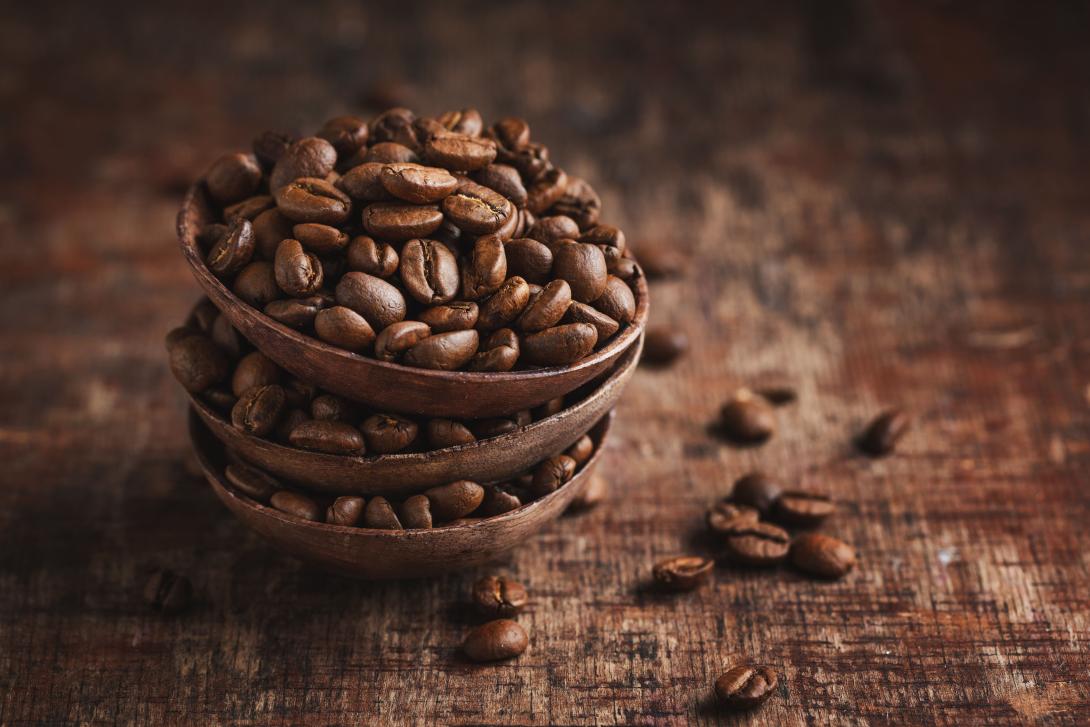
Arabica coffee beans account for roughly 60% to 70% of global coffee production and are the undisputed foundation of specialty coffee culture. Renowned for their smooth, complex flavors and lack of harsh bitterness, these beans offer a premium drinking experience.
The Flavor Profile Arabica provides remarkable nuance compared to the hardier, more bitter Robusta bean. Depending on the growing region, a well-roasted Arabica exhibits distinct tasting notes:
- Fruity and Floral: Berries, citrus, and jasmine (common in Ethiopian and Kenyan beans).
- Sweet and Sugary: Caramel, honey, and milk chocolate (typical of Central and South American beans).
- Nutty and Earthy: Almonds, pecan, and mild spice.
Arabica contains about half the caffeine of Robusta, resulting in a smoother, less astringent cup with a crisp, bright acidity. It also contains nearly 60% more lipids and almost twice the concentration of sugar, which caramelize during roasting to create a superior body and mouthfeel.
Cultivation and Growing Conditions The Coffea arabica plant demands highly specific and fragile growing conditions, which justifies its premium market price:
- Altitude: 2,000 to 6,000 feet (600 to 1,800 meters).
- Climate: Subtropical temperatures between 59°F and 75°F (15°C to 24°C).
- Rainfall: Approximately 60 inches annually, evenly distributed.
Growing at higher, cooler elevations forces the coffee cherries to mature slowly. This extended development time allows the beans to accumulate their complex sugars and distinctive aromatics, though it leaves the crop highly susceptible to pests and diseases like coffee leaf rust.
How to Brew the Best Cup To maximize the quality of Arabica beans, follow these core principles:
- Grind Fresh: Use a burr grinder immediately before brewing to preserve the volatile aromatic oils that stale quickly once exposed to air.
- Control Water Temperature: Target 195°F to 205°F (90°C to 96°C). Boiling water scorches the delicate sugars and extracts harsh bitterness.
- Match the Method: Pour-over methods (like a V60 or Chemex) filter out heavy oils to highlight the floral notes of light roasts, while immersion methods (like a French Press) extract the rich, full body of medium roasts.