

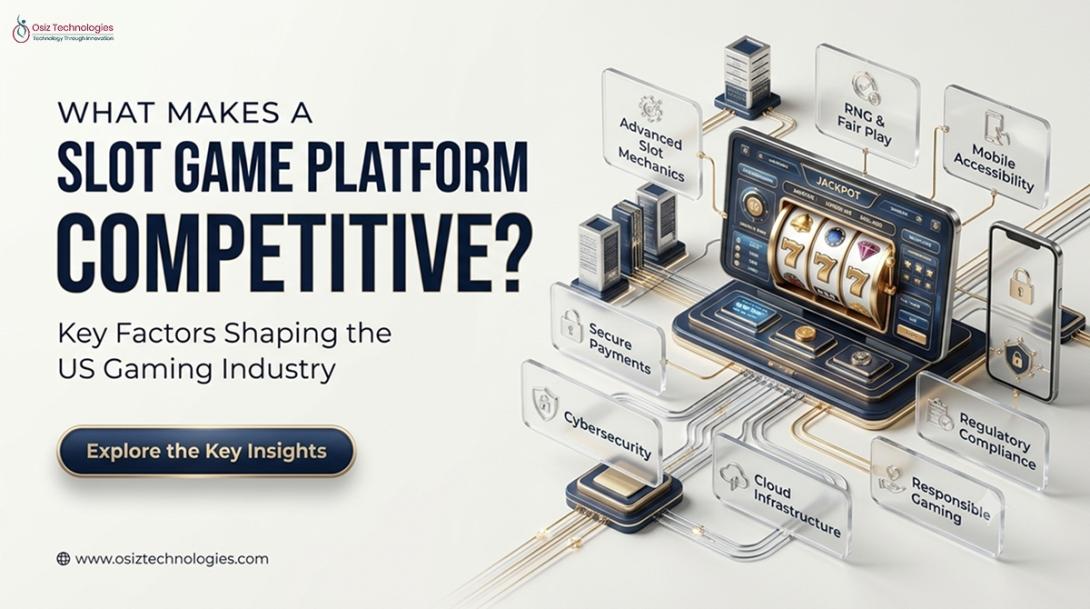
The US gaming industry continues to evolve with changing player expectations, advanced gaming technologies, and a growing demand for digital entertainment. For businesses planning to enter this market, building a slot game platform requires more than attractive visuals and engaging gameplay. Platform performance, mobile compatibility, payment security, regulatory requirements, and player experience all influence its competitiveness. Understanding these elements helps businesses develop slot gaming solutions that meet market expectations while supporting long-term growth.
Understanding the Competitive Landscape of the US Slot Gaming Market
The US gaming market includes established casino operators, digital gaming providers, and technology-driven platforms. Businesses entering this space need to understand their target audience, market positioning, and competition before planning development. Since real-money online casino gaming is permitted only in specific US jurisdictions, market entry strategies must also account for state-level differences. A clear understanding of these factors helps businesses identify suitable opportunities and define their platform requirements.
Game Mechanics and Features That Create Distinctive Player Experiences

Mobile Optimization and Cross-Platform Accessibility
Modern gaming platforms should deliver consistent experiences across smartphones, tablets, and desktop devices. Responsive interfaces, optimised loading times, touch-friendly controls, and adaptable screen layouts help maintain usability across different screen sizes. Businesses should also evaluate browser compatibility and device performance to ensure players can access supported games without unnecessary technical interruptions.
RNG Technology and Fair Gameplay: Building Player Confidence
Random Number Generator technology plays an essential role in determining game outcomes in digital slot platforms. Businesses should prioritize reliable RNG integration, appropriate testing, and independent certification where required by the applicable jurisdiction. Transparent game information and consistent gameplay behavior also help establish player confidence. Fairness and technical reliability should remain central to the platform's development strategy.
Payment Integration, Data Security, and Transaction Reliability

State-Specific Regulations and Responsible Gaming Requirements
Regulatory readiness is a major consideration for businesses targeting the US market. Online casino gaming requirements vary by state and may involve licensing, geolocation, player verification, data protection, and responsible gaming controls. Features such as deposit limits, self-exclusion options, and player activity monitoring should be considered according to applicable requirements. Businesses must evaluate their target jurisdictions before planning platform deployment.
Scalable Infrastructure and Post-Launch Improvements for Market Growth
A competitive slot platform should be prepared to support future growth and changing technical requirements. Cloud infrastructure, optimised databases, reliable APIs, and performance monitoring can help manage increasing platform activity. Regular updates, bug fixes, new game integrations, and security improvements also contribute to long-term platform stability. Planning these capabilities from the beginning helps businesses prepare for future expansion.
Conclusion: Building Competitive Slot Gaming Platforms for the US Market
Building a competitive slot gaming platform requires the right combination of engaging gameplay, advanced technology, secure transactions, and regulatory readiness. Businesses must focus on creating reliable platforms that can adapt to changing market demands and player expectations. With expertise in customized gaming solutions, Osiz Technologies helps businesses turn their slot gaming concepts into scalable platforms with feature-rich gameplay and dependable technology. As a Slot Game Development Company, We focuses on delivering solutions that support business goals and long-term growth in the evolving US gaming industry.