

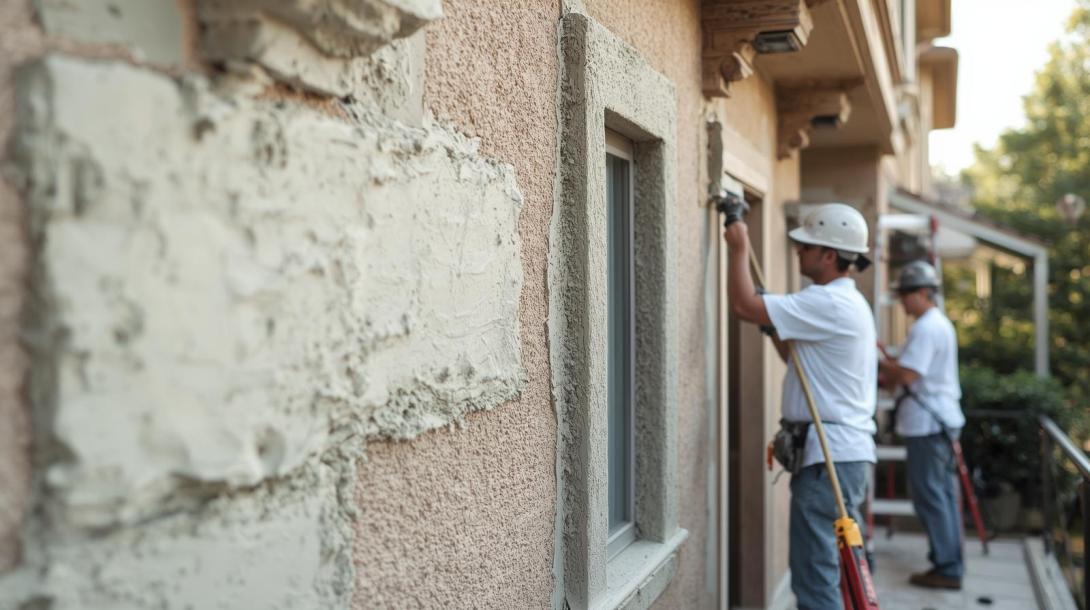
Westwood is full of beautiful older homes, the kind with character, history, and, more often than not, original plaster walls. There's something about plaster that vinyl-covered drywall just can't replicate: a solid, substantial feel, subtle texture, and a timeless look that fits perfectly with the town's classic architecture. But plaster, like anything else, ages. Cracks form, sections crumble, and over time even the most beautifully finished walls can start to show their years. That's when homeowners start looking into plaster repair in Westwood, and understanding the process can make the whole experience far less intimidating.
Why Plaster Walls Crack and Crumble
Plaster is a durable material, often lasting far longer than modern drywall when properly maintained. But it isn't indestructible, and several factors commonly lead to the need for plaster repair in Westwood in homes throughout the area.
Age and natural settling. Many homes in Westwood were built decades ago, and over time, houses shift ever so slightly on their foundations. This gradual movement is one of the most common reasons for the hairline cracks that snake across ceilings and walls.
Humidity fluctuations. Plaster is sensitive to moisture. New England's humid summers and dry winters cause the material to expand and contract, which can eventually lead to surface cracking or separation from the lath underneath.
Water damage. Roof leaks, plumbing issues, and even condensation from poorly ventilated bathrooms can soften plaster, causing it to bubble, sag, or fall away from the wall entirely.
Impact damage. Furniture bumps, doorknobs, and general daily wear can chip or dent plaster surfaces, especially around high-traffic areas like hallways and stairwells.
Deteriorating lath. Older plaster is applied over wood lath strips, and if that lath rots or loosens over time, the plaster above it loses its support and can crack or detach.
Recognizing the root cause is an important first step, since simply patching the surface without addressing the underlying issue often leads to the same crack reappearing months later.
Signs It's Time to Call in a Professional
Some plaster issues are minor and cosmetic, while others signal a deeper structural problem. Knowing the difference helps homeowners decide when a small touch-up will do and when it's time to invest in proper plaster repair in Westwood.
Keep an eye out for:
- Spiderweb cracking. Small, branching cracks across a ceiling or wall often indicate the plaster has separated from the lath and needs reattachment, not just a cosmetic patch.
- Bulging or sagging sections. This usually means the plaster has lost its bond with the underlying structure and could be at risk of falling if left unaddressed.
- Persistent staining. Yellow or brown discoloration typically points to a moisture source that needs to be resolved before any cosmetic repair will hold.
- Crumbling edges near trim or corners. These areas take the most stress from temperature changes and are often the first to show wear.
- A hollow sound when tapped. If tapping the wall produces a hollow echo rather than a solid thud, the plaster may have detached from the lath behind it.
If you notice any of these signs, it's worth having an experienced eye assess the situation before the damage spreads further.
How Professional Plaster Repair Works
One of the biggest misconceptions about plaster repair in Westwood is that it requires tearing out entire walls and starting from scratch. In most cases, that's simply not true. Skilled plasterers use techniques that preserve as much of the original material as possible, which keeps costs down and maintains the historic character of the home.
Here's what the process generally looks like:
Inspection. A professional examines the affected area to determine whether the damage is cosmetic or structural, and whether the lath underneath needs attention.
Stabilization. For plaster that has separated from the lath, specialized washers or adhesive techniques can be used to reattach it securely, avoiding the need for full removal.
Removing loose material. Any crumbling or unstable plaster is carefully removed to create a clean, solid edge for the new material to bond with.
Applying new plaster or compound. Depending on the extent of the damage, this may involve traditional multi-coat plastering or a modern patching compound designed to mimic the look and feel of original plaster.
Blending textures. Older homes often have unique plaster textures built up over decades of hand application. A skilled technician takes time to match this texture so the repair blends invisibly into the surrounding wall.
Sanding and priming. Once the new material cures, it's sanded smooth and primed to prepare it for painting.
Final painting. The last step involves matching the existing paint color so the repaired section disappears seamlessly into the wall.
For smaller repairs, this entire process can often be completed in a single visit. Larger or more structurally involved repairs may take a bit longer, particularly if moisture issues need to be resolved first.
DIY Patch Kits vs. Professional Repair
Home improvement stores sell plaster patch kits, and for very small nail holes or minor surface chips, they can work fine. But plaster is a different material than drywall, and repairs that look easy on paper often turn out more complicated in practice.
Texture matching is difficult. Original plaster often has subtle hand-applied texture that's nearly impossible to replicate with a store-bought kit, leading to a patch that stands out rather than blends in.
Structural issues go unnoticed. DIY kits address the surface, not the underlying lath or moisture problems that may be causing the damage in the first place.
Materials behave differently. Plaster cures and shrinks differently than modern joint compound, and using the wrong product can lead to a repair that cracks again within months.
Time investment. Traditional plaster techniques involve multiple coats and drying times between each step, which can turn a simple weekend project into a multi-week ordeal without the right experience.
For homeowners who want a lasting, invisible repair rather than a visible patch job, hiring a professional plasterer is almost always the better long-term investment.
Maintaining Plaster Walls After Repair
Once your walls are repaired, a bit of ongoing care can help prevent future damage and keep your plaster repair in Westwood looking great for years to come.
- Maintain consistent indoor humidity using a humidifier in winter and a dehumidifier in summer.
- Address roof and plumbing leaks quickly to avoid moisture reaching plaster walls.
- Avoid hanging heavy items directly into plaster without proper anchors, which can stress the surface.
- Keep an eye on areas near windows and exterior walls, where temperature swings are most likely to cause stress cracks.
- Schedule periodic inspections in older homes to catch small issues before they become major repairs.
These simple habits go a long way toward preserving both the appearance and structural integrity of plaster walls, especially in homes where the material has already stood the test of time.
Finding the Right Team for Your Home
Plaster repair is part science and part craftsmanship, and the results depend heavily on the experience of the people doing the work. Homeowners searching for reliable plaster repair in Westwood should look for a team that understands both the technical side of the repair and the aesthetic details that make older homes special. A rushed or mismatched patch can be more noticeable than the original crack, while a thoughtful repair should be nearly impossible to spot once finished.
A trustworthy contractor will also walk you through the likely cause of the damage, explain the recommended fix, and give you a clear sense of cost and timeline before any work begins, so you know exactly what to expect.
Whether it's a single cracked ceiling or a wall that's seen decades of wear, quality plaster work can bring a room back to life while preserving the character that makes older homes so appealing. Boston Plastering has spent years helping homeowners restore and maintain their plaster walls with careful, detail-oriented craftsmanship. If your home's walls are showing their age, reaching out to an experienced local team is often the simplest way to get results that last.
Visit this link for another blog : Drywall Repair in Waltham