
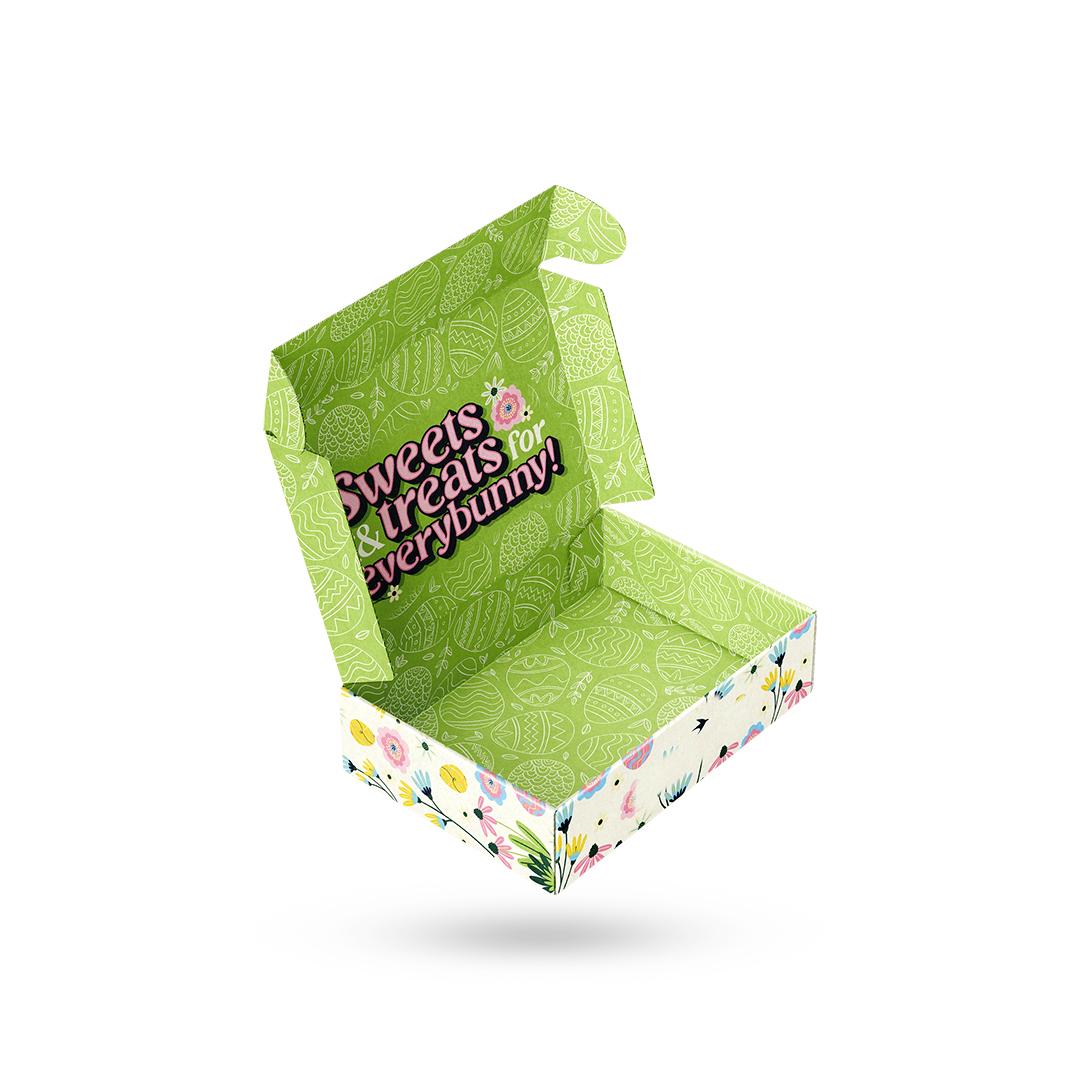
Custom Mailer boxes have become one of the most popular packaging solutions for eCommerce, retail, and subscription businesses in the UK and worldwide. Their durability, easy assembly, and branding potential make them ideal for shipping and product presentation. To get the most value from mailer boxes, businesses must understand the available customization methods and how to choose the right material for their specific products. This article explains both in detail.
Customization Methods for Mailer Boxes
Customization allows mailer boxes to reflect your brand identity while enhancing customer experience. Below are the most effective customization methods used for mailer boxes.
1. Size and Structural Customization
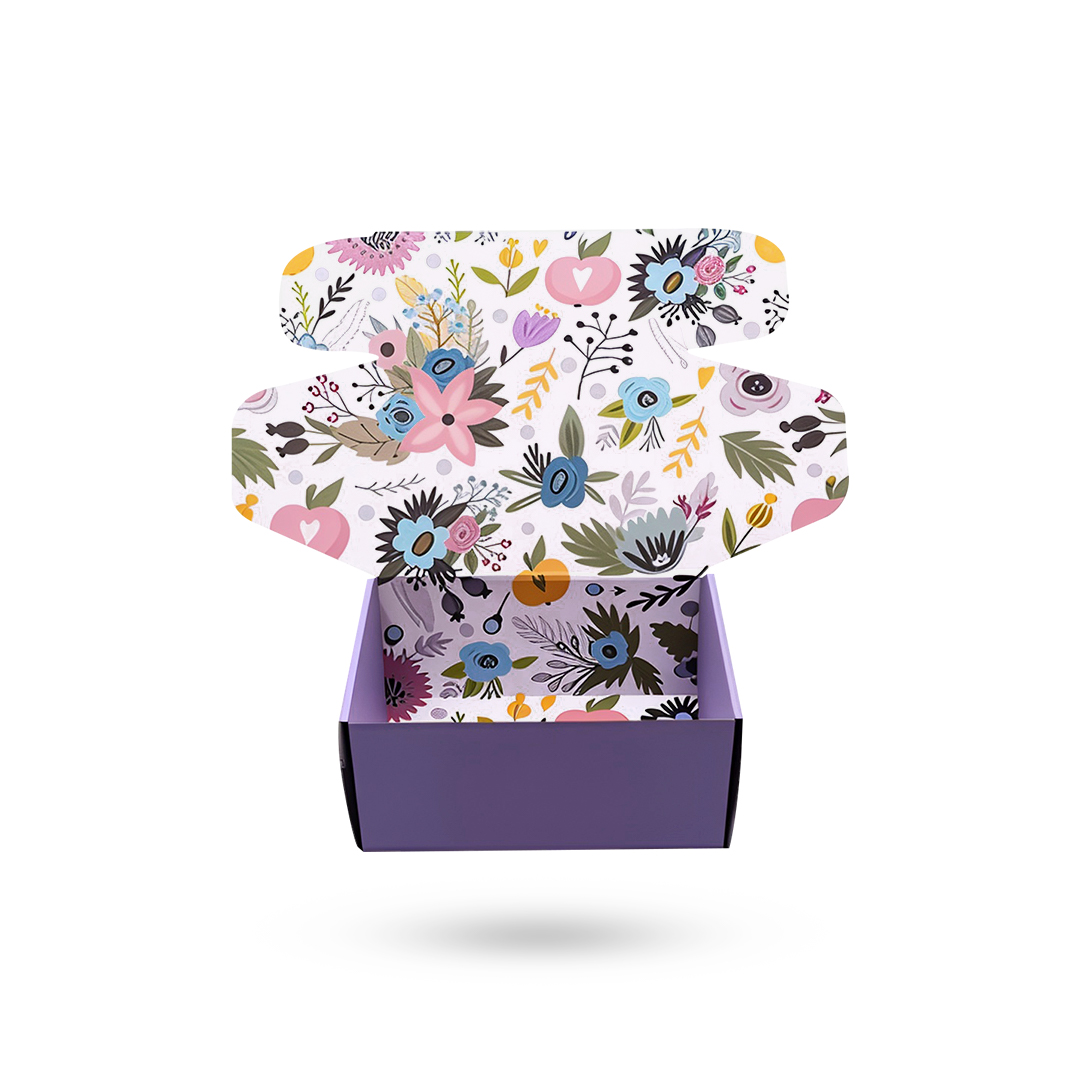
The first step in customization is selecting the right box size and structure. black Mailer boxes can be designed in custom dimensions to fit your product perfectly, reducing movement during shipping and minimizing the need for extra fillers. Popular styles include tuck-top mailer boxes, roll-end front tuck boxes, and mailers with tear strips for easy opening.
2. Printing Techniques
Printing is a powerful way to communicate your brand message. The most commonly used printing methods include:
- CMYK printing, ideal for full-color designs, gradients, and images.
- PMS (Pantone) printing, perfect for brand color consistency and logos.
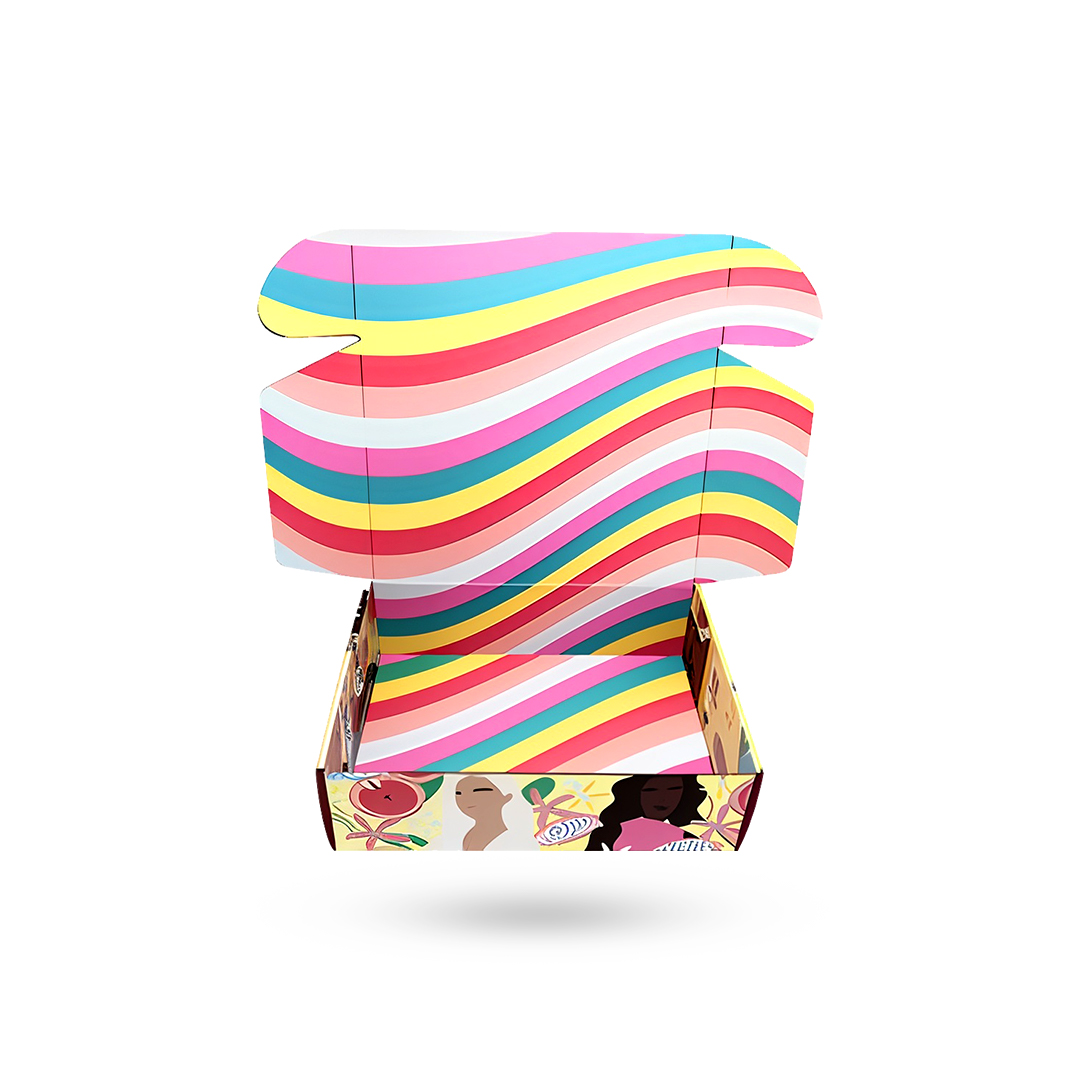
You can choose outside-only printing for a clean look or inside-and-out printing for a premium unboxing experience.
3. Finishing Options
Finishing enhances both appearance and texture. Popular finishing options include:
- Gloss or matte lamination for surface protection and visual appeal
- Spot UV to highlight logos or specific design elements
- Foil stamping (gold, silver, black, or colored foil) for a luxury look
- Embossing and debossing to add a tactile, high-end feel
These finishes help colored mailer boxes stand out while reinforcing brand value.
4. Inserts and Add-ons
Custom inserts keep products secure and organized. Corrugated, cardboard, or molded pulp inserts are commonly used to prevent damage. Additional add-ons such as thank-you cards, QR codes, stickers, and custom sleeves further enhance branding and customer engagement.
5. Sustainable Customization
Many brands now opt for eco-friendly customization. Using recyclable materials, soy-based inks, and minimal packaging designs helps reduce environmental impact while appealing to eco-conscious customers.
How to Choose the Right Material for Your Product
Selecting the correct material is just as important as customization. The right material ensures product safety, cost efficiency, and customer satisfaction.
1. Corrugated Cardboard
Corrugated cardboard is the most popular material for mailer boxes. It consists of fluted layers that provide excellent strength and cushioning. It is ideal for:
- eCommerce shipping
- Fragile or heavy products
- Subscription boxes
Corrugated mailer boxes are available in different flute types (E, B, or C flute) depending on the level of protection required.
2. Kraft Material
Kraft mailer boxes are known for their natural, eco-friendly appearance. They are made from recycled paper and are fully biodegradable. Kraft is best for:
- Eco-friendly and sustainable brands
- Lightweight products
- Minimalist packaging designs
While slightly less rigid than white corrugated stock, kraft material offers strong durability with a rustic look.
3. White Cardboard
White cardboard or white corrugated material provides a clean and premium base for printing. Colors appear more vibrant on white surfaces, making it ideal for branding-focused businesses. This material is suitable for:
- Retail packaging
- Promotional boxes
- High-quality printed mailer boxes
4. Product Weight and Fragility
Always consider your product’s weight and fragility. Heavy or delicate items require thicker corrugated material, while lightweight items can be packed safely in thinner stock. Choosing the right thickness prevents damage and reduces shipping costs.
5. Shipping and Storage Conditions
If your products travel long distances or face moisture exposure, opt for durable corrugated material with protective coatings. Proper material selection ensures your mailer boxes maintain their shape and protect the product throughout the supply chain.
Conclusion
Mailer boxes offer endless opportunities for customization, from printing and finishes to inserts and sustainable options. By combining the right customization methods with carefully selected materials, businesses can create packaging that protects products, strengthens branding, and enhances the unboxing experience. Choosing the right mailer box is not just about packaging—it’s about delivering value, trust, and a memorable impression to your customers.