

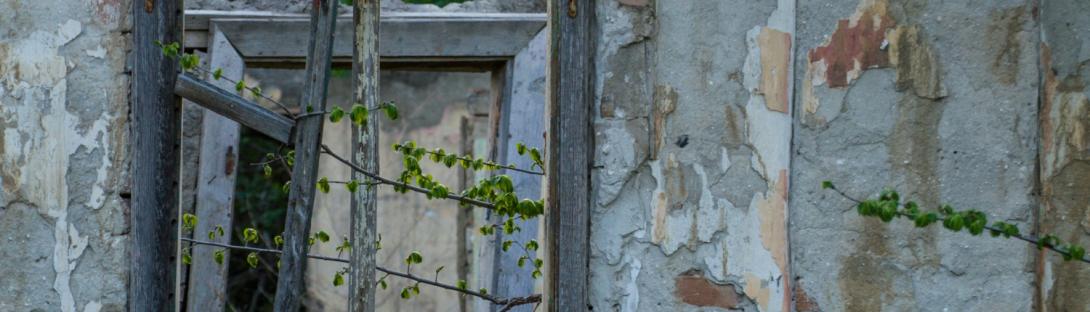
When it comes to construction projects, home renovations, or even neighbouring developments, one of the most essential steps property owners often overlook is a dilapidation inspection. At Gold Coast Building Inspections, we specialise in detailed and professional dilapidation reports designed to detect early signs of structural deficiencies. Identifying issues early not only protects your property but also helps avoid costly legal disputes and repair bills in the future.
What is a Dilapidation Inspection?
A dilapidation inspection is a comprehensive report that documents the current condition of a property, particularly its structural components such as walls, ceilings, driveways, fences, and retaining walls. These inspections are typically carried out before and after nearby construction or excavation work to assess if any damage has occurred due to vibrations, soil movement, or construction activities.
At Gold Coast Building Inspections, we meticulously document any existing damage — including cracks, settlement issues, and wear and tear, using high-resolution photos and professional notations. This report acts as a protective legal document in case of damage claims arising after nearby construction.
Why Early Identification of Structural Deficiencies Matters
One of the biggest benefits of conducting a dilapidation inspection is early detection of structural issues that may go unnoticed to the untrained eye. Early identification allows property owners to take timely action before small problems escalate into serious structural failures.
Some common structural issues identified through our inspections include:
- Cracks in brickwork or concrete slabs
- Uneven flooring or signs of subsidence
- Separation between walls and ceilings
- Damage to retaining walls or outdoor structures
- Water ingress or dampness indicating foundation issues
When caught early, many of these issues can be addressed with minor repairs instead of major renovations.
When Should You Book a Dilapidation Inspection?
You should consider scheduling a dilapidation inspection in the following situations:
- Before construction or demolition begins on your property or a neighbouring site
- Before major home renovations or structural modifications
- When purchasing a property to assess its current condition
- After construction has been completed nearby to compare changes
Builders and developers are also advised to get a dilapidation inspection to avoid disputes with neighbouring property owners over alleged damages.
Benefits of Choosing Gold Coast Building Inspections
When you hire Gold Coast Building Inspections for your dilapidation inspection, you're choosing a trusted local company with years of experience in structural reporting and building inspections across the Gold Coast.
Here’s what sets us apart:
- Independent & Impartial Reports: We offer unbiased documentation based on professional standards.
- Detailed Photo Evidence: Every visible defect is recorded with time-stamped photos and annotations.
- Fast Turnaround: We provide inspection reports within 24–48 hours.
- Fully Licensed & Insured: Our inspectors are QBCC licensed and covered by professional indemnity insurance.
- Local Knowledge: We understand common structural issues faced by properties in the Gold Coast region, such as those related to soil movement, salt air corrosion, and flood-prone zones.
Peace of Mind for Homeowners and Developers Alike
A professional dilapidation inspection can be the difference between a smooth project and a costly legal dispute. Whether you’re a property owner, builder, or developer, having a clear and accurate record of a building’s pre-existing condition is crucial. It not only provides legal protection but also ensures any future damage is dealt with transparently and fairly.
At Gold Coast Building Inspections, we believe in safeguarding your property investment. Our experienced inspectors provide detailed insights to help you make informed decisions and address structural deficiencies before they become bigger issues.
Check out related articles on our blog: leak detection