
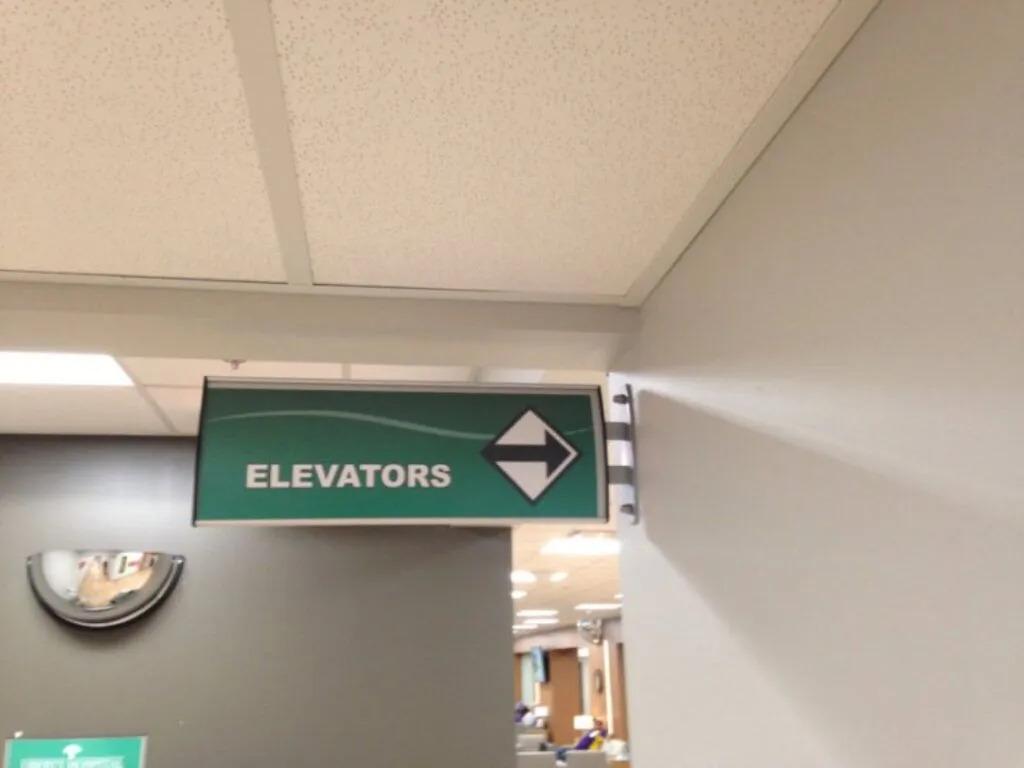
Clear navigation is one of the most important parts of any commercial, healthcare, educational, or public environment. When visitors enter a building, campus, or business complex, they expect to move easily from one location to another without confusion. That is where directional signage becomes essential. Well-designed signs help people understand where to go, reduce frustration, improve accessibility, and create a more professional environment for businesses.
Today, companies across San Jose are investing in advanced wayfinding signs to improve customer experience and strengthen brand presentation. Whether it is an office building, hospital, shopping center, school campus, or industrial facility, navigation systems are no longer optional—they are a vital part of modern space planning.
Why Directional Signage Matters for Every Business
Directional signage provides visual guidance through arrows, symbols, text, and location markers that direct people efficiently. In busy environments, people often make decisions within seconds. If signs are unclear or missing, visitors may feel lost, which can negatively affect their impression of the business.
Professional wayfinding signage companies focus on designing signs that communicate quickly and clearly. Effective signage reduces traffic confusion, improves safety, and ensures smoother movement throughout the property. In large buildings, directional systems also help reduce the burden on staff because visitors no longer need to ask repeatedly for directions.
For businesses in competitive markets like San Jose, strong navigation design also supports branding. Every sign can reflect company colors, typography, and design style, creating a cohesive visual identity.
Understanding Wayfinding Signs in San Jose, CA
The demand for Wayfinding Signs in San Jose, CA continues to grow because of the city’s diverse commercial infrastructure. From technology campuses to healthcare centers and retail districts, large spaces require organized navigation systems that work for employees, visitors, and clients.
A complete wayfinding system often includes:
- Entrance signs
- Parking lot directional markers
- Lobby directories
- Hallway directional signs
- Department identification signs
- Exit signs
- ADA-compliant navigation signs
Businesses installing wayfinding signs often discover that visitors spend less time searching and more time engaging with services, products, or appointments.
How Wayfinding Signs Improve Customer Experience
A customer’s first impression often begins before they even enter a building. Parking guidance, entrance indicators, and directional markers all shape that experience. If navigation is difficult, frustration begins immediately.
Well-planned directional signage improves:
- Visitor confidence
- Faster movement inside buildings
- Reduced appointment delays
- Better traffic flow
- Safer emergency evacuation routes
In medical buildings, schools, and office complexes, signs help visitors reach destinations independently. This creates a smoother experience and improves operational efficiency.
Choosing Professional Wayfinding Signage Companies
Selecting experienced wayfinding signage companies is important because effective navigation requires more than simply placing arrows on walls. Professionals evaluate visitor behavior, traffic flow, architecture, and accessibility requirements before designing a complete system.
The best signage providers typically offer:
- Site analysis
- Sign placement strategy
- Graphic design
- Material recommendations
- Installation services
- ADA compliance planning
Professional planning ensures signs are readable at the right distance, positioned correctly, and visually consistent throughout the property.
The Importance of ADA Compliance in Navigation Systems
Accessibility is critical in public and commercial environments. Many wayfinding signs must meet ADA standards to ensure equal access for all visitors, including those with visual impairments.
ADA-compliant directional signage often includes:
- Raised lettering
- Braille
- High-contrast colors
- Proper mounting heights
- Non-glare surfaces
Businesses in San Jose benefit when navigation systems meet legal standards while remaining visually attractive.
Where Businesses Use Directional Signage Most
Many industries rely heavily on directional signage, including:
- Hospitals and clinics
- Universities and schools
- Office complexes
- Retail centers
- Hotels
- Government buildings
- Warehouses
In each environment, signs help users navigate quickly and confidently. Large properties especially benefit because visitors may be unfamiliar with building layouts.
Why People Search for Wayfinding Signs Near Me
When businesses search for wayfinding signs near me, they usually need local expertise, fast turnaround, and installation support. Local providers understand city regulations, local building requirements, and regional business needs.
Working with nearby signage experts often provides:
- Faster consultations
- Easier site visits
- Quicker installation
- Better project communication
For businesses in San Jose, local signage partners can deliver custom solutions that fit specific architectural environments.
Design Trends in Modern Wayfinding Signs
Modern wayfinding signs are now designed to combine function with visual sophistication. Businesses no longer accept basic directional signs—they want systems that look premium and match interior design.
Popular design trends include:
- Acrylic panels
- Brushed metal finishes
- Minimalist typography
- Brand-colored graphics
- Illuminated directional signs
- Wall-mounted directories
These upgrades help navigation systems become part of the overall brand presentation rather than simply functional elements.
Long-Term Value of a Strong Navigation System
Investing in professional directional signage creates long-term operational value. Good signs reduce confusion daily, support visitor independence, and improve space management.
Over time, businesses benefit through:
- Better customer satisfaction
- Reduced staff interruptions
- Improved safety compliance
- Stronger brand consistency
A well-designed navigation system becomes an invisible but essential part of efficient business operations.
Conclusion
Businesses that want to improve visitor movement, strengthen brand identity, and create accessible spaces should invest in professionally designed wayfinding signs. Whether upgrading a campus, office building, medical facility, or retail environment, quality navigation systems make every space easier to understand and more welcoming