
The Cybersecurity Risk Rating Platform Market is becoming increasingly important as organizations face growing cyber threats, third-party vulnerabilities, and supply chain security risks. As businesses depend on external vendors, cloud providers, and interconnected digital ecosystems, assessing cybersecurity risk beyond internal IT infrastructure has become a critical business priority.
Download free sample report here: https://qksgroup.com/download-sample-form/spark-matrix-cyber-security-risk-rating-platform-q4-2025-10058
Cybersecurity risk rating platforms help organizations evaluate the security posture of external entities using vulnerability intelligence, security telemetry, threat data, and risk analytics. These platforms translate complex technical findings into measurable risk indicators, enabling security teams, risk managers, and business leaders to prioritize remediation and make informed decisions.
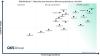
Artificial intelligence (AI), continuous security monitoring, external attack surface management, and third-party risk intelligence are reshaping modern cybersecurity risk assessment. QKS Group’s Cyber Security Risk Rating Platform, Q4 2025 SPARK Matrix™ provides an in-depth analysis of market trends, technology capabilities, and the competitive positioning of leading vendors.
Key Market Drivers Shaping Cybersecurity Risk Rating Platforms
1. Growing Third-Party Cybersecurity Risks
Organizations increasingly rely on third-party vendors, suppliers, technology partners, and service providers. While these relationships support business growth, they also introduce potential security weaknesses that attackers may exploit.
A vulnerability within a third-party ecosystem can affect an organization's data, operations, and reputation. Cybersecurity risk rating platforms help enterprises assess external security posture, identify high-risk vendors, and monitor changes in their cyber risk exposure.
By supporting continuous vendor assessment, these platforms help organizations strengthen third-party risk management and supply chain security.
2. Increasing Demand for Continuous Cyber Risk Monitoring
Traditional cybersecurity assessments often provide a point-in-time view of an organization's security posture. However, vulnerabilities, exposed assets, and threat conditions can change rapidly.
Cybersecurity risk rating software provides ongoing visibility into external security indicators, helping organizations identify emerging risks and track changes in risk ratings. Continuous monitoring allows security teams to prioritize investigations, support remediation, and improve the consistency of cyber risk assessments.
3. Regulatory Compliance and Board-Level Risk Reporting
Cybersecurity risk is no longer only a technical concern. It also affects financial performance, regulatory compliance, business continuity, and stakeholder confidence.
Boards and executive teams increasingly need clear, business-oriented information about cyber exposure. Cybersecurity risk rating platforms translate technical security signals into normalized metrics and reports that support risk governance, vendor oversight, and executive decision-making.
These capabilities help connect cybersecurity operations with enterprise risk management and compliance objectives.
Click Here: https://qksgroup.com/download-sample-form/spark-matrix-cyber-security-risk-rating-platform-q4-2025-10058
Emerging Technology Trends in the Cybersecurity Risk Rating Market
AI-Powered Cyber Risk Assessment
Artificial intelligence and machine learning are enhancing how platforms analyze security signals, detect patterns, and identify potential vulnerabilities. AI-enabled analytics can help security teams process large volumes of data and prioritize risks based on their potential business impact.
By combining threat intelligence with risk scoring, organizations can improve assessment efficiency and make better-informed remediation decisions. However, AI-generated risk scores should be interpreted alongside business context, validation, and security expertise.
External Attack Surface Management
An organization's external attack surface may include internet-facing applications, domains, cloud assets, exposed services, and other digital resources. Unidentified or poorly secured assets can create entry points for cyberattacks.
Cybersecurity risk rating platforms help identify external exposure and monitor security weaknesses across an organization's digital footprint. Integrating attack surface intelligence with risk ratings enables security teams to better understand potential exposure and prioritize corrective action.
Third-Party Risk Management and Supply Chain Security
Third-party risk management is becoming a central component of enterprise cybersecurity strategies. Organizations need visibility into the security posture of vendors, suppliers, and business partners to reduce the risk of indirect cyber incidents.
Modern platforms support vendor risk assessment, security posture monitoring, risk-based prioritization, and reporting. These capabilities help organizations identify high-risk relationships and improve oversight across complex supply chains.
Threat Intelligence and Vulnerability Prioritization
Not every vulnerability creates the same level of risk. Its importance depends on factors such as exploitability, threat activity, asset exposure, and the potential impact on business operations.
Know more information: https://qksgroup.com/sparkplus?market-id=973&market-name=cyber-security-risk-rating-platform
By integrating threat intelligence and vulnerability data, cybersecurity risk rating solutions can help organizations prioritize weaknesses that warrant immediate attention. This approach supports more effective remediation planning than relying exclusively on vulnerability counts or generic severity scores.
Business-Aligned Cyber Risk Scoring
Cybersecurity risk ratings are most useful when technical findings can be translated into meaningful business insights. Risk scoring frameworks help organizations understand changes in security posture, compare external entities, and communicate risk to different stakeholders.
Business-aligned metrics can support investment decisions, vendor governance, executive reporting, and risk remediation planning. Organizations should also assess scoring methodology, data coverage, transparency, and rating limitations when interpreting platform results.
Leading Cybersecurity Risk Rating Platform Vendors
QKS Group's Cyber Security Risk Rating Platform, Q4 2025 SPARK Matrix™ analyzes the competitive landscape and evaluates leading providers of cybersecurity risk rating solutions.
The vendors included in the research are: Bitsight, Black Kite, BlueVoyant, ISS Corporate Solutions, MitraTech Prevalent, Panorays, Recorded Future, RiskRecon, SecurityScorecard, and UpGuard.
These vendors address different aspects of cyber risk visibility, third-party security assessment, external threat intelligence, and risk monitoring. Organizations should evaluate their capabilities based on business requirements, security priorities, vendor ecosystems, and regulatory obligations.
What to Consider When Selecting Cybersecurity Risk Rating Software
Before investing in a cybersecurity risk rating platform, organizations should evaluate the following factors:
- External security visibility: Ability to identify internet-facing assets and potential security weaknesses.
- Third-party risk assessment: Coverage for vendors, suppliers, and other external business relationships.
- Risk scoring methodology: Transparency, consistency, and relevance of risk ratings to business requirements.
- Threat intelligence: Integration of vulnerability information, threat signals, and exploit-related insights.
- Continuous monitoring: Ability to detect changes in external security posture over time.
- Remediation support: Features that help teams prioritize risks, assign corrective actions, and track progress.
- Reporting and governance: Executive dashboards, audit support, and capabilities for vendor risk management.
- Integration and scalability: Compatibility with existing security, governance, risk, and compliance workflows.
Organizations should also understand that external cybersecurity ratings are indicators of observed security posture, not guarantees that an organization is secure or will avoid a cyber incident. Ratings are most effective when combined with internal assessments, contextual analysis, and ongoing security governance.
QKS Group's SPARK Matrix™ provides valuable insights into the market landscape, enabling organizations to assess leading vendors and understand the capabilities shaping cybersecurity risk management.
Become a client: https://qksgroup.com/become-client
Frequently Asked Questions (FAQs)
1. What is a cybersecurity risk rating platform?
A cybersecurity risk rating platform evaluates an organization's external security posture using data such as exposed assets, vulnerabilities, security configurations, and threat intelligence. It generates ratings or scores that help organizations understand and prioritize cyber risks.
2. Why are cybersecurity risk rating platforms important?
These platforms help organizations monitor external threats, assess third-party security risks, identify potential weaknesses, support vendor governance, and communicate cyber risk to business leaders.
3. How does AI improve cybersecurity risk ratings?
AI and machine learning can help analyze large volumes of security data, identify patterns, prioritize potential threats, and support risk assessment. The usefulness of these insights depends on data quality, model reliability, and business context.
4. Which companies provide cybersecurity risk rating platforms?
Vendors evaluated in QKS Group's Q4 2025 SPARK Matrix™ include Bitsight, Black Kite, BlueVoyant, ISS Corporate Solutions, Mitratech Prevalent, Panorays, Recorded Future, RiskRecon, SecurityScorecard, and UpGuard.
5. What is the difference between cybersecurity risk ratings and vulnerability management?
Cybersecurity risk ratings provide an external view of an organization's security posture, often supporting third-party comparisons and risk monitoring. Vulnerability management focuses on identifying, prioritizing, and remediating security weaknesses across systems and assets. The two approaches can complement each other.