

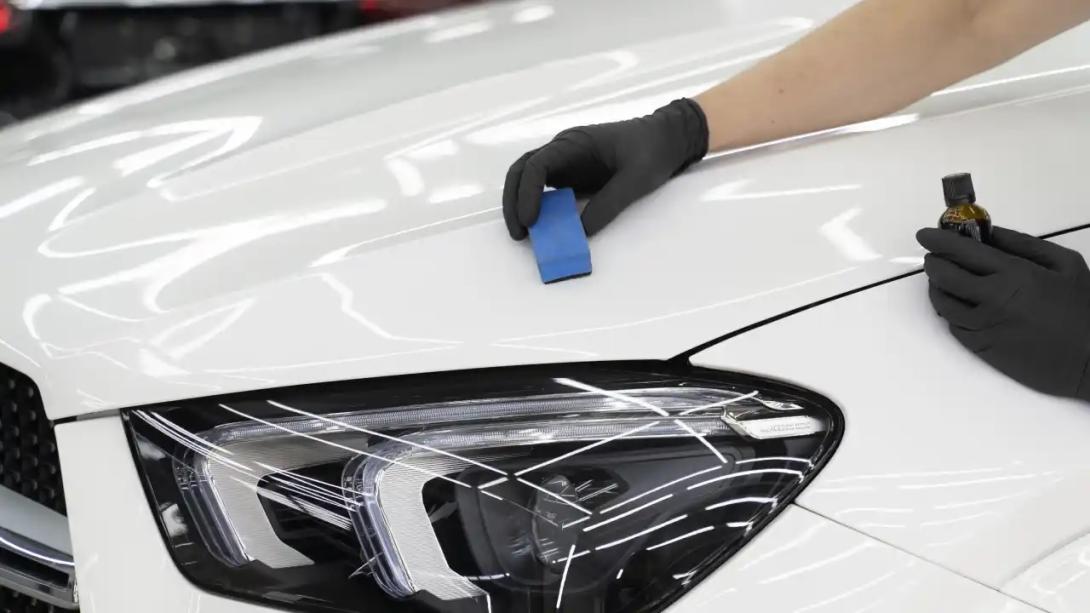
A ceramic coating can make maintaining your car's exterior easier, but it doesn't eliminate the need for regular care. In fact, how you maintain a coated vehicle throughout the year can have a direct impact on how well the surface continues to look and perform.
This becomes particularly important in India, where a vehicle can experience intense summer heat, heavy monsoon rain, dust, pollution, humidity, and cooler winter conditions within the same year.
A seasonal approach to maintenance can help car owners stay ahead of these changes. Instead of waiting until the paint looks dull or water behaviour changes, a simple checklist for each season can help protect the coating and keep the vehicle looking its best.
If you've invested in ceramic coating for cars, here's how to adjust your car-care routine throughout the year.
Why Seasonal Maintenance Matters
Ceramic coating creates a durable protective layer over the vehicle's paint. It can improve water repellency, make contaminants easier to remove, and enhance the gloss of the surface.
However, the coating is still exposed to everything your car encounters.
The challenges change with the seasons:
- Summer: Intense sunlight, high temperatures, dust and bird droppings
- Monsoon: Rain, mud, humidity, water spots and road grime
- Winter: Dust, fog, pollution and morning moisture
- Throughout the year: Traffic pollution, insects, tree sap and improper washing
Understanding these seasonal differences makes it easier to adjust your maintenance routine.
Summer Car Care Checklist
Indian summers can be particularly demanding on automotive paint. Long periods of direct sunlight, high temperatures and dry conditions can leave dust and contaminants sitting on the vehicle's surface.
1. Park in Shade Whenever Possible
Direct sunlight is unavoidable during driving, but you can reduce unnecessary exposure when the car is parked.
A covered parking area is ideal. If that's not available, shaded parking can help reduce prolonged exposure to heat and UV radiation.
A ceramic coating offers additional protection, but it shouldn't be treated as a replacement for sensible parking habits.
2. Don't Leave Bird Droppings on the Paint
Hot weather can make contaminants more problematic.
Bird droppings can contain acidic compounds that may affect automotive paint if they're left on the surface for extended periods, particularly under direct sunlight.
If you notice bird droppings, remove them as soon as reasonably possible using a safe cleaning method.
Avoid aggressively rubbing dried contamination across the paint.
3. Wash Away Dust Regularly
Summer roads can generate significant amounts of dust.
When dust accumulates, avoid wiping it away with a dry cloth. Doing so can drag abrasive particles across the surface.
Instead:
- Rinse the vehicle.
- Use an appropriate car shampoo.
- Wash with a clean microfiber mitt.
- Rinse thoroughly.
- Dry with a clean microfiber towel.
4. Check for Water Spots
If you're washing your car in hot weather, water can evaporate quickly and leave mineral deposits behind.
Try to wash the vehicle in a shaded area and dry it properly after rinsing.
Monsoon Car Care Checklist
For many Indian car owners, the monsoon creates an entirely different set of challenges.
Rain may appear to clean your vehicle, but rainwater can carry dust and airborne pollutants that remain on the surface after evaporation.
1. Don't Assume Rain Has Washed the Car
A rainy drive doesn't necessarily mean your vehicle is clean.
Mud, road grime, pollution and contaminants can accumulate on the lower panels, wheels and bodywork.
Give the car a proper wash when necessary instead of relying on rainfall.
2. Pay Attention to Mud and Road Grime
Monsoon roads can leave a thick layer of mud on the vehicle.
Don't allow dried mud to remain on the paint for extended periods. Rinse it thoroughly before washing to reduce the risk of dragging abrasive particles across the surface.
3. Look Out for Water Spots
Repeated cycles of getting wet and drying can leave mineral deposits behind.
This is particularly noticeable when the vehicle is exposed to hard water.
Drying the car after washing can help reduce water spotting.
4. Clean the Lower Body Panels
The lower sections of your vehicle often receive the most exposure to:
- Mud
- Road grime
- Oil residue
- Standing-water contaminants
- Fine road debris
Give these areas additional attention during your wash routine.
5. Don't Ignore Humidity
High humidity can contribute to moisture remaining on surfaces for longer.
Regular cleaning and proper drying become even more important during the monsoon season.
Winter Car Care Checklist
Winter conditions in India vary considerably by region. While some areas experience relatively mild temperatures, northern regions can experience cold mornings, fog and significant atmospheric pollution.
1. Don't Reduce Washing Too Much
A common assumption is that cars don't get as dirty during winter.
In reality, dust, pollution and road contaminants continue to accumulate.
Maintain a consistent washing schedule based on how dirty the vehicle becomes.
2. Remove Morning Moisture Carefully
Dew and fog can leave moisture on the vehicle's surface.
If the car is already covered in dust, avoid immediately wiping the surface with a dry cloth.
Rinse it first to reduce the possibility of creating fine scratches.
3. Watch for Pollution
Winter air quality can be poor in some urban areas, increasing the amount of airborne material that settles on vehicles.
Regular washing helps prevent these contaminants from remaining on the paint for long periods.
4. Inspect the Coating's Performance
Winter is also a good time to check how the coating is performing.
Pay attention to:
- Water behaviour
- Surface smoothness
- Gloss
- Contamination
- Water spots
If something appears unusual, a professional inspection can determine whether the surface needs cleaning, decontamination or coating maintenance.
Year-Round Ceramic Coating Maintenance
Seasonal care is useful, but some habits should remain consistent throughout the year.
Wash Regularly
There's no universal number of washes that applies to every vehicle.
Your washing frequency should depend on your driving conditions, parking environment and local climate.
The important thing is not to let contaminants accumulate unnecessarily.
Use a Suitable Shampoo
A pH-neutral automotive shampoo is generally a good choice for ceramic-coated vehicles.
Avoid randomly switching between harsh household cleaners and automotive products.
If your coating manufacturer has specific product recommendations, follow those instructions.
Use Clean Microfiber Equipment
The condition of your washing equipment matters.
Dirty mitts and towels can hold grit that may scratch the paint.
Use clean microfiber materials and wash them properly after use.
Avoid Dry Dusting
This simple habit can prevent unnecessary paint damage.
If your vehicle is dusty, rinse it before touching the surface.
Remove Contaminants Promptly
Bird droppings, tree sap, insects and other contaminants should be removed as soon as practical.
Ceramic coating provides an additional layer of protection, but it doesn't make the surface completely immune to chemical contamination.
When Should You Consider Professional Maintenance?
Sometimes a routine wash isn't enough.
If the vehicle develops stubborn contamination, water spots or unusual surface behaviour, professional detailing may be worthwhile.
A professional can assess whether the problem is:
- Surface contamination
- Mineral deposits
- Improper maintenance
- Coating deterioration
- Paint damage
This distinction matters because not every apparent coating problem means the coating itself has failed.
For example, mineral deposits sitting on top of the coating can affect water behaviour without necessarily indicating that the coating has disappeared.
Seasonal Mistakes to Avoid
Regardless of the season, several habits can work against your paint-care efforts.
Don't Wipe Heavy Dust Dry
Rinse first.
Don't Use Household Detergent Regularly
Use products intended for automotive surfaces.
Don't Let Contaminants Sit for Days
Deal with bird droppings, tree sap and insect residue promptly.
Don't Assume Ceramic Coating Is Scratch-Proof
It isn't designed to prevent all physical damage.
Don't Ignore the Manufacturer's Instructions
Different coatings can have different maintenance requirements.
A Simple Seasonal Checklist
Here's a quick reference you can save for your routine:
Season
Main Concerns
What to Prioritise
Summer
UV exposure, heat, dust, bird droppings
Shade, regular washing, prompt contaminant removal
Monsoon
Mud, rainwater, humidity, water spots
Thorough rinsing, drying and lower-panel cleaning
Winter
Fog, dew, dust, pollution
Regular washing and careful removal of surface contamination
Year-round
Pollution, grime, improper washing
Proper shampoo, microfiber equipment and routine inspection
Does Seasonal Care Extend Ceramic Coating Life?
It can certainly help maintain the coating's intended performance.
However, the lifespan of a ceramic coating isn't determined by maintenance alone.
Other factors include:
- The specific coating product
- Quality of preparation
- Installation technique
- Climate
- Vehicle usage
- Parking conditions
- Exposure to contaminants
Some professionally applied coatings are designed to last several years, while other products have shorter intended lifespans.
Rather than assuming every coating lasts for the same period, check the manufacturer's specifications and follow the installer's recommended maintenance schedule.
Final Thoughts
Ceramic coating can make vehicle maintenance more convenient, but it doesn't remove the responsibility of looking after the car.
The best approach is to adapt your routine to the conditions your vehicle faces.
In summer, focus on UV exposure, dust and heat. During the monsoon, pay closer attention to mud, water spots and road grime. In winter, keep pollution and moisture under control.
Most importantly, maintain the basics throughout the year: wash regularly, use suitable products, avoid dry wiping, remove contaminants promptly and inspect the surface periodically.
If you've invested in ceramic coating for cars, these simple habits can help you get more from that investment while keeping your vehicle's exterior cleaner, glossier and better maintained throughout the year.