
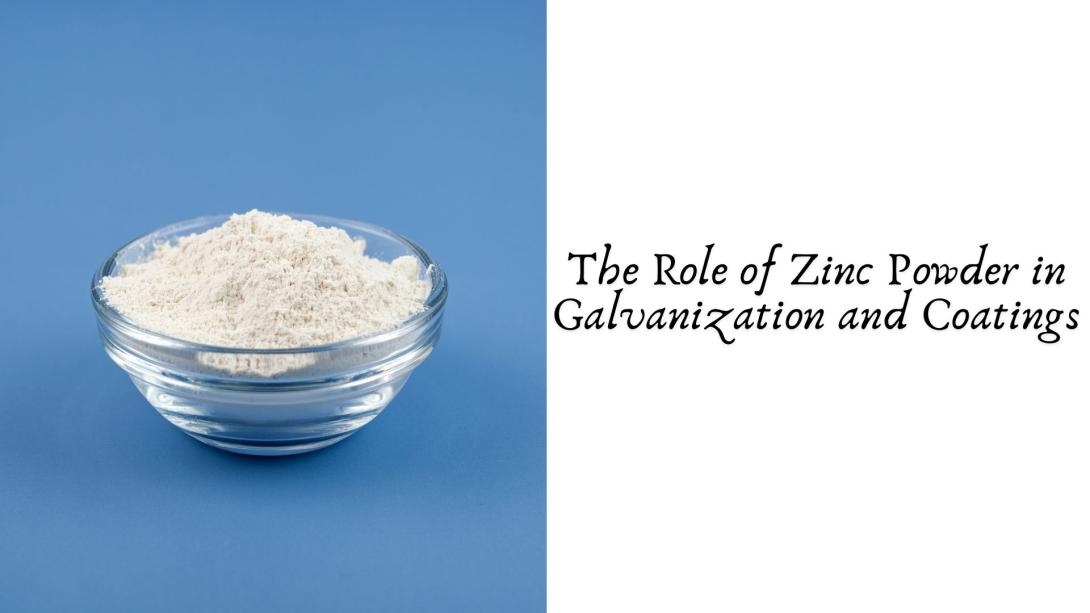
Zinc is an essential element in the world of industrial and protective coatings, known for its excellent corrosion-resistant properties. Among the various forms of zinc used in industrial applications, zinc powder stands out as a crucial component in galvanization and coating processes. This fine metallic powder plays a significant role in ensuring the durability and longevity of steel and other metal surfaces, especially in environments prone to moisture, salt, and other corrosive elements.
In this article, we’ll explore the role of zinc powder in galvanization and coatings, its benefits, applications, and recent advancements in the field.
Understanding Zinc Powder
Zinc powder is a fine, grey metallic substance produced through several methods, including atomization of molten zinc, mechanical grinding, or chemical reduction. It typically contains a high purity of elemental zinc, and the particles range from spherical to irregular in shape depending on the production method.
Zinc powder has widespread applications, but in the context of galvanization and coatings, it is prized for its anodic protection properties—it corrodes preferentially, thereby protecting the underlying metal substrate.
Galvanization: The Protective Power of Zinc
Galvanization is the process of applying a protective zinc coating to steel or iron to prevent rusting. Traditionally, hot-dip galvanization—where metal is dipped into molten zinc—has been a common method. However, cold galvanizing, also known as zinc-rich coating, uses zinc powder in paint or coating form to offer a similar level of protection without the need for high-temperature processing.
Role of Zinc Powder in Galvanization:
Anodic Protection
Zinc powder provides sacrificial protection to steel. When exposed to corrosive environments, zinc corrodes instead of the underlying metal, delaying rust formation and structural degradation.
Electrical Conductivity
Zinc is a good conductor, which is beneficial in certain applications where electrical continuity is required, such as grounding systems or pipelines.
Ease of Application
Zinc powder-based coatings can be applied via brush, roller, or spray, making them suitable for onsite repairs or areas that can’t undergo hot-dip galvanization.
Cost-Effective Corrosion Resistance
Using zinc powder in coatings is a more affordable method compared to full immersion techniques, particularly for large or awkwardly shaped structures.
Zinc-Rich Coatings: Composition and Performance
Zinc-rich coatings are formulated using a high concentration of zinc powder—typically above 80% by weight in the dry film. These coatings combine mechanical barrier protection and electrochemical (cathodic) protection, making them ideal for high-performance industrial applications.
Key Benefits:
Superior Corrosion Resistance
Zinc-rich coatings are highly effective in marine, industrial, and urban environments.
Long-Term Durability
They extend the service life of metal structures like bridges, pipelines, offshore platforms, and storage tanks.
Surface Compatibility
These coatings adhere well to a variety of surfaces and are often used as a primer layer beneath topcoats for added protection.
Regulatory Compliance
Many zinc powder formulations are designed to comply with environmental standards and reduce VOC emissions, making them safer for use in different industries.
Applications Across Industries
The versatility of zinc powder makes it invaluable in numerous sectors:
- Construction and Infrastructure
Used in steel frameworks, bridges, and guardrails to enhance structural integrity. - Automotive and Transportation
Protects chassis, underbodies, and components against road salt and moisture. - Oil and Gas
Applied on pipelines and offshore drilling rigs where corrosion risk is high. - Marine Engineering
Provides corrosion resistance to ships, ports, and underwater structures. - Electrical Utilities
Used in protective coatings for transmission towers, substations, and grounding equipment.
Innovations and Future Trends
With growing environmental concerns and demand for high-performance materials, the use of nano-sized zinc powders and hybrid coatings (combining zinc with other corrosion inhibitors or binders) is gaining momentum. These advanced formulations offer:
- Improved adhesion and coating uniformity
- Lower zinc content with equal or better performance
- Faster curing times
- Enhanced mechanical strength
Additionally, eco-friendly binder systems and waterborne zinc-rich coatings are becoming more popular, reducing the environmental impact of industrial coatings without compromising on protection.
Conclusion
Zinc powder plays a pivotal role in galvanization and protective coatings, offering unmatched sacrificial protection and corrosion resistance. Its use in zinc-rich coatings ensures that metal structures endure harsh conditions, whether on land or at sea. As industries continue to evolve and seek more sustainable solutions, innovations in zinc powder formulations and application technologies will shape the future of protective coatings.
Whether in construction, automotive, marine, or energy sectors, zinc powder remains a cornerstone of corrosion protection, reinforcing the integrity and lifespan of critical infrastructure around the world.