

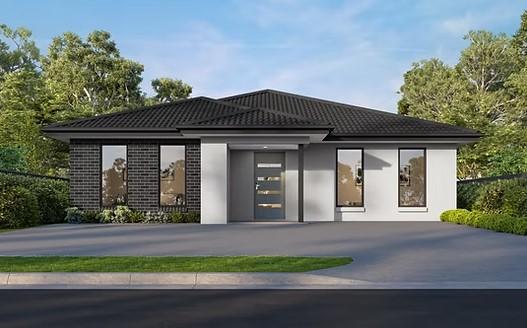
A home is one of the most important parts of a person's life. It provides security, comfort, privacy, and a place to feel independent. For people living with disabilities, however, a conventional home may not always provide the accessibility and practical features needed for everyday activities. Thoughtfully designed housing can help overcome these challenges and create an environment where residents feel safe, comfortable, and supported.
This is where an experienced NDIS housing builder plays an important role. By combining specialised construction knowledge with accessible design principles, professional builders can develop homes that respond to individual requirements. Whether the project involves specialised disability accommodation, accessible residential construction, or home modifications, the focus should always be on improving the resident's quality of life.
Understanding NDIS Housing
NDIS housing refers to accommodation options and housing-related supports available to eligible participants through the National Disability Insurance Scheme. These options are designed to help people with disabilities access living arrangements that suit their circumstances and support requirements.
One important accommodation option is Specialist Disability Accommodation (SDA). It is intended for NDIS participants with extreme functional impairment or very high support needs who meet the relevant eligibility criteria.
SDA properties are purpose-designed to provide suitable living environments. Depending on the intended residents, they may include wheelchair-friendly layouts, specialised bathroom facilities, assistive technology, and durable construction features.
It is important to understand that SDA is different from Supported Independent Living (SIL). SDA relates to the physical housing itself, while SIL generally covers assistance with daily living activities. Understanding this distinction helps participants, families, and property developers make informed decisions.
The Role of a Professional NDIS Housing Builder
Building disability-friendly accommodation requires careful planning and an understanding of how different physical and functional requirements influence residential design.
A professional builder considers accessibility from the beginning of the project. This includes evaluating entry points, internal movement spaces, bathroom layouts, kitchen arrangements, lighting, and the positioning of essential fixtures.
Collaboration is also important. Architects, occupational therapists, support coordinators, participants, and families may contribute valuable information during the planning stage. Their input helps ensure that the final property reflects the needs of its intended residents.
An experienced construction team also understands the importance of complying with applicable building regulations, accessibility standards, and relevant NDIS requirements. This attention to detail can help prevent costly changes during later stages of construction.
Essential Features of Accessible NDIS Housing
The design of an accessible home should reflect the abilities, preferences, and lifestyle of the people who will live there. Although individual requirements vary, several features can make a property more practical and comfortable.
Accessible Entrances and Internal Spaces
Step-free entrances, suitable ramps, wider doorways, and spacious hallways can make movement easier for people using wheelchairs, walkers, or other mobility equipment. Open layouts also provide better circulation and reduce unnecessary obstacles.
Functional Bathroom Design
Bathrooms should provide sufficient space for safe movement and easy access to essential facilities. Walk-in showers, grab rails, accessible basins, suitable fixtures, and slip-resistant flooring can improve safety and convenience.
Practical Kitchen Layouts
A well-designed kitchen can support greater independence during everyday activities. Accessible storage, appropriately positioned appliances, adjustable work surfaces, and sufficient movement space can make cooking and meal preparation easier.
Smart Home Technology
Technology can provide additional control and convenience. Automated lighting, voice-activated systems, electronic door controls, and smart security features may help residents manage their surroundings more independently.
Comfortable Bedrooms and Living Areas
Bedrooms and shared living spaces should provide enough room for mobility equipment and personal activities. Good lighting, comfortable layouts, suitable storage, and access to outdoor areas can contribute to a more enjoyable living environment.
Benefits of Investing in Quality NDIS Housing
Well-planned disability housing offers benefits that extend beyond physical accessibility. A suitable home can help residents complete everyday activities with greater confidence and reduce their dependence on assistance where appropriate.
Thoughtful design can also improve safety by minimising common household barriers. Features such as accessible bathrooms, clear pathways, and appropriate lighting can reduce the likelihood of accidents.
For families and support providers, a functional property can make daily support activities more manageable. Well-organised spaces and carefully selected facilities can improve the overall living experience for everyone involved.
For property developers, understanding the demand for accessible accommodation can also create opportunities to contribute to an important housing sector. However, financial planning should consider construction expenses, ongoing maintenance, participant eligibility, SDA enrolment requirements where applicable, and local housing demand.
Choosing the Right Construction Partner
Selecting a suitable builder is one of the most important decisions in any disability housing project. Experience with accessible residential construction, knowledge of relevant standards, and a strong commitment to quality should be key considerations.
Before proceeding, review the builder's previous projects, professional credentials, insurance, and experience with specialised accommodation. Requesting a detailed quotation can also help clarify construction costs, materials, project timelines, and potential additional expenses.
Communication should remain consistent throughout the project. A reliable construction partner will explain the process clearly, discuss practical design solutions, and keep clients informed about progress.
It is equally important to choose a builder who understands that every resident has different needs. Personalised planning should guide the project rather than relying on a standard design for every household.
Conclusion
Accessible housing plays an essential role in helping people with disabilities enjoy greater independence, comfort, and security. A thoughtfully designed property can remove everyday barriers and create a living environment that supports individual needs and personal preferences.
Working with an experienced construction professional helps ensure that accessibility, quality, and functionality remain central throughout the building process. From initial planning to final construction, every decision should contribute to a safer and more comfortable home.