
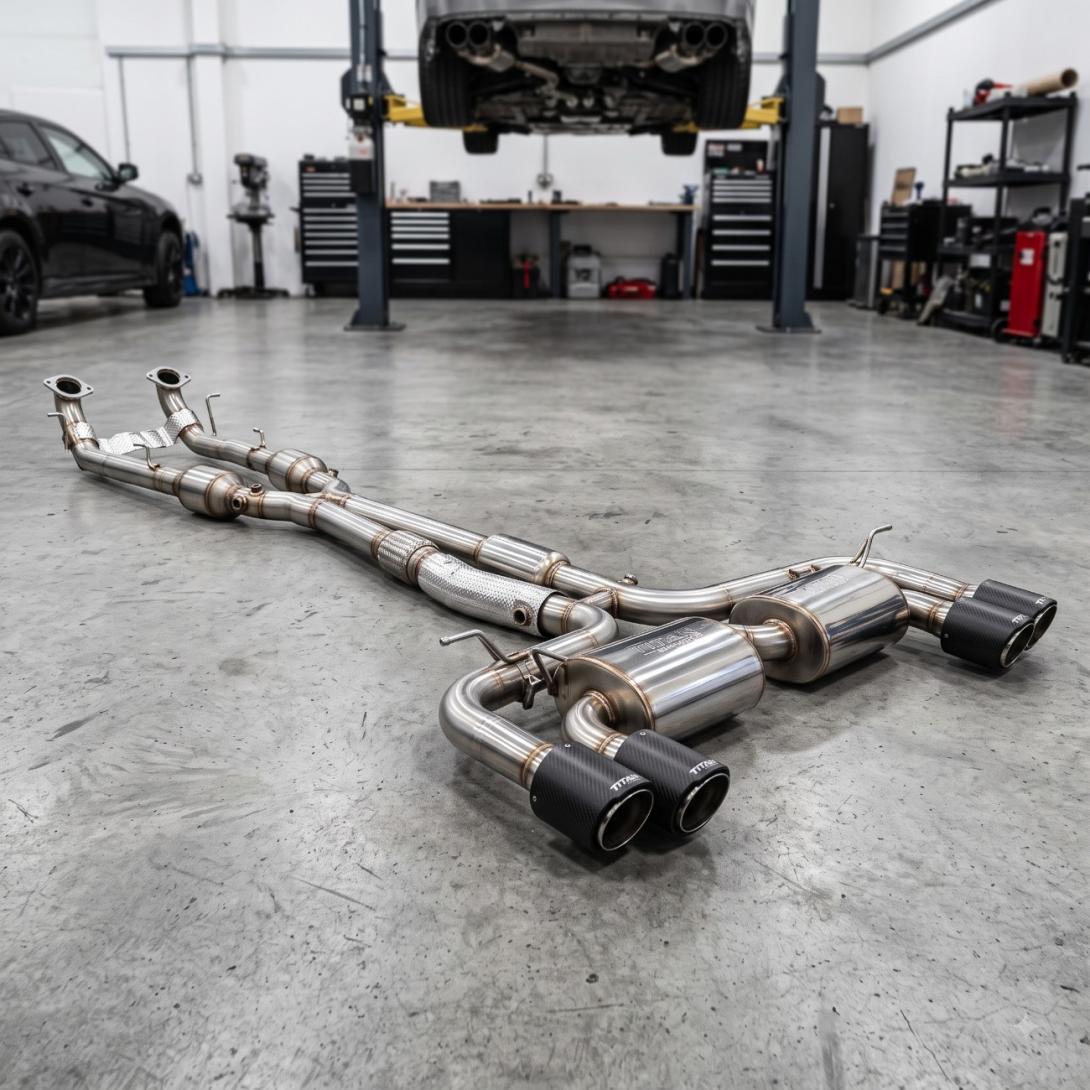
As global environmental regulations tighten with frameworks like Euro 7 and increasingly strict EPA mandates redefining automotive compliance automotive manufacturers face an unprecedented engineering balancing act. Meeting lower tailpipe thresholds requires more than just catalytic converter updates; it demands a total rethink of exhaust system architecture, internal gas dynamics, and advanced materials engineering.
For industry leaders like HIROTEC, mastering exhaust production means combining precise manufacturing capabilities with innovative design principles to ensure environmental compliance without sacrificing performance or durability.
The Regulatory Pressure: Why Exhaust Design Must Evolve
Modern environmental standards target both cold-start emissions and high-load pollutant spikes. Consequently, exhaust systems must achieve optimal operating temperatures faster while withstanding extreme thermal cycles and corrosive environments.
- Rapid Catalyst Light-Off: Meeting strict limits requires exhaust routing and manifold designs that channel thermal energy directly to the catalyst as quickly as possible after ignition.
- Complex Routing in Compact Spaces: Underbody packaging constraints—especially in hybrid and electric-assisted platforms—force designers to utilize highly intricate pipe bends and custom configurations.
- Durability Under Extreme Thermal Stress: Thinner-walled high-strength stainless steels and specialized alloys are required to save weight, but they demand flawless welding and forming accuracy to prevent fatigue and cracking over time.
Engineering Precision: Advanced Manufacturing in Exhaust Production
To transform complex thermal and fluid-dynamic requirements into reliable physical products, manufacturers rely on robust, automated production lines. HIROTEC applies decades of engineering excellence to streamline exhaust system fabrication, ensuring repeatable quality across high-volume production.
- Advanced Tube Bending and Forming: Precision CNC bending ensures smooth internal walls and minimal cross-sectional flattening, preserving optimal exhaust gas velocity and reducing backpressure.
- Automated High-Integrity Welding: Flawless sealing is mandatory to prevent gas leaks before treatment. Automated robotic welding cells deliver consistent, deep-penetration welds that endure severe thermal expansion and vibration.
- Integrated Quality Assurance: Inline testing protocols verify structural integrity and dimensional precision, ensuring every exhaust assembly meets strict OEM specifications before final integration.
Balancing Emissions Compliance with Backpressure Optimization
An effective exhaust system must reduce harmful emissions while maintaining or improving engine efficiency. Excessive backpressure forces the engine to work harder, reducing fuel efficiency and power output.
By utilizing advanced flow-simulation tools and precise stamping and assembly techniques, HIROTEC helps manufacturers achieve an ideal equilibrium. Acoustic optimization, smart chamber routing, and smooth transitional geometries allow vehicles to meet stringent acoustic and emission profiles simultaneously.
Conclusion
Navigating stricter global emission standards requires an integrated approach to design, material selection and automated manufacturing. By leveraging advanced production technologies and deep engineering expertise, companies like HIROTEC empower the automotive sector to meet environmental mandates head-on—delivering cleaner, highly efficient and durable exhaust solutions for the next generation of vehicles.