

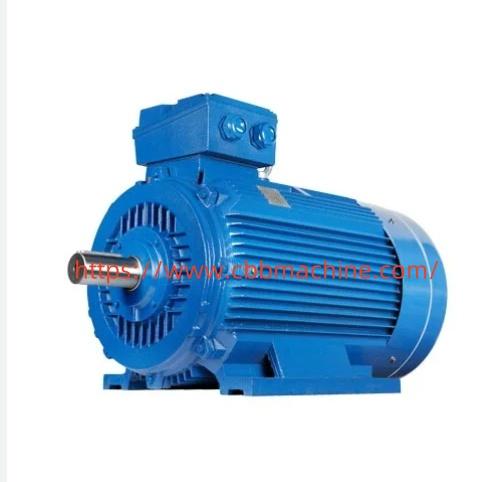
In modern engineering, achieving precision and efficiency in mechanical systems is a constant challenge. Engineers often turn to innovations like the Electric Torque Motor to solve problems involving high torque requirements at low speeds, especially where traditional gear mechanisms may fall short. This technology allows for smoother, more accurate control, reducing wear on components and increasing system longevity.
One of the most significant advantages of this type of motor is its ability to deliver direct-drive power.Without relying on additional gearboxes or transmission systems, these motors can provide consistent torque output while minimizing energy loss. This is particularly beneficial in applications such as robotics,industrial automation, and aerospace, where precision and reliability are paramount. By eliminating intermediary mechanical components, engineers can simplify designs and reduce maintenance requirements, saving both time and cost.
The compact design of these motors is another key benefit. They can be integrated into systems where space is limited, while still offering impressive torque and control. Many industries have adopted this technology for tasks such as conveyor drives, robotic joints, and specialized machinery in laboratories or production lines. Its robust construction ensures that even under continuous operation, the system remains stable and dependable.
Furthermore, integrating this motor technology into electric vehicles has become a growing trend. The ability to provide high torque instantly improves acceleration and overall vehicle performance, while also enhancing energy efficiency. As electric mobility evolves, motors that can deliver precise control at various speeds will become increasingly vital.
Maintenance and reliability are additional considerations that make this motor type attractive. With fewer moving parts compared to conventional motors, the risk of mechanical failure is significantly reduced. Regular checks and minimal upkeep are sufficient to maintain optimal operation, ensuring long-term dependability in demanding environments.
Innovation in motor control also extends to software integration. Advanced controllers allow for real-time feedback, monitoring torque output and adjusting parameters for maximum performance. This makes the technology suitable for precision manufacturing, where even minor variations in force can impact product quality. Companies that invest in this motor technology often see improvements in both productivity and consistency.
In conclusion, the application of high-performance torque motors has transformed industries that require precision, durability, and efficiency. By offering direct-drive capabilities, compact design, and minimal maintenance needs, these motors provide a reliable solution for a variety of demanding applications. Engineers and designers now have the tools to create more efficient, precise, and long-lasting systems than ever before.
For further details on applications, features, and specifications, visit https://www.cbbmachine.com/