
The business environment in the United Arab Emirates is experiencing a transformative shift towards greater accountability and transparency. Organizations are increasingly recognizing that robust Environmental, Social, and Governance (ESG) strategies are fundamental to long-term success and resilience. For business continuity managers, compliance officers, and organizational leaders, the ability to navigate the complexities of UAE ESG reporting is no longer optional; it is a critical business imperative. This journey requires a strategic approach, deep understanding of global standards, and the guidance of experienced professionals who can translate regulatory requirements into actionable business value.
The Evolving Landscape of UAE ESG Reporting
The UAE has emerged as a regional leader in sustainable development, with regulatory bodies progressively mandating ESG disclosures across various sectors. This makes UAE ESG reporting a cornerstone of corporate governance for organizations operating within the nation's borders. The shift is driven by the country's ambitious vision, including the UAE Net Zero 2050 strategy, which demands that businesses demonstrate their contribution to national sustainability goals.
Effective reporting involves a comprehensive analysis of an organization's environmental impact, social contributions, and governance structures. It requires systematic data collection, stakeholder engagement, and performance measurement. As these requirements continue to evolve, organizations must adopt a proactive approach to ensure their reports are not only compliant but also strategically valuable. This is where the expertise of professional consultants becomes indispensable in navigating the dynamic regulatory landscape.
The Critical Role of ESG and Sustainability Reporting
The integration of ESG and sustainability reporting represents a holistic approach to corporate accountability. While sustainability reporting traditionally focuses on broader environmental and social impacts, ESG reporting provides a structured, investor-oriented view of material risks and opportunities. Combining these practices allows organizations to create a comprehensive narrative that addresses the concerns of all stakeholders, from regulators and investors to employees and communities.
A unified approach to ESG and sustainability reporting delivers significant benefits. It helps organizations identify strategic opportunities for growth and innovation, enhances risk management capabilities, and builds trust with stakeholders. By demonstrating a genuine commitment to sustainable practices, organizations can differentiate themselves in the competitive UAE market, attracting investment and talent while contributing to the nation's long-term prosperity.
Navigating ESG Reporting Frameworks
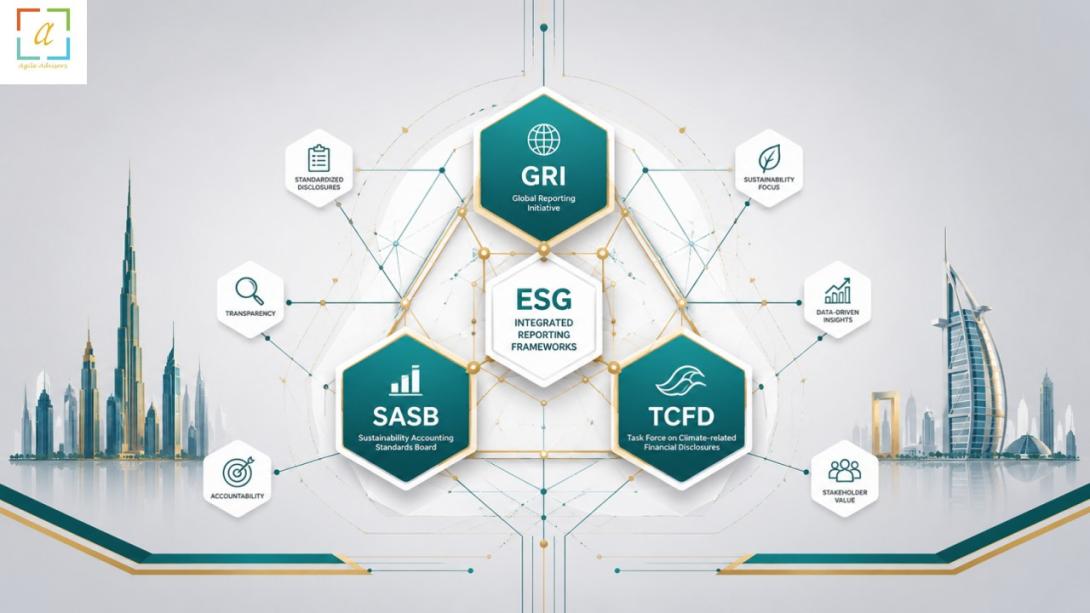
To produce credible and comparable reports, organizations must adhere to established ESG reporting frameworks. These frameworks provide the structure and standards necessary for consistent disclosures that meet the expectations of investors and regulators. Among the most widely recognized are the Global Reporting Initiative (GRI), the Sustainability Accounting Standards Board (SASB), and the Task Force on Climate-Related Financial Disclosures (TCFD). Each framework serves a distinct purpose, and selecting the appropriate one depends on your organization's specific needs and stakeholder expectations.
Professional guidance is essential for navigating these options. The benefits of using structured ESG reporting frameworks include:
Enhanced Credibility: Adherence to recognized standards assures stakeholders of the reliability and accuracy of your data.
Improved Comparability: Allows investors and analysts to benchmark your performance against industry peers.
Strategic Insight: Provides a structured approach to identifying risks and opportunities, driving better decision-making.
Regulatory Alignment: Ensures your reporting meets the evolving requirements of UAE authorities and international investors.
The Strategic Value of an ESG Consultant
Given the complexity of the regulatory environment and the multitude of available frameworks, many organizations are turning to an ESG consultant for expert guidance. A consultant brings specialized knowledge of the local regulatory landscape, international best practices, and industry-specific challenges. They help organizations move beyond basic compliance to create a robust sustainability strategy that drives business value and enhances organizational resilience.
An experienced ESG consultant provides objective insights, helping to identify gaps in current strategies and data collection processes. They facilitate the development of internal capabilities, ensuring that sustainability becomes an integrated part of organizational culture. By ensuring that your disclosures are accurate and transparent, they help protect your organization's reputation and build a competitive advantage in the dynamic UAE market.
Conclusion
The journey towards comprehensive ESG reporting is a strategic imperative for organizations in the UAE. By understanding the nuances of UAE ESG reporting, integrating ESG and sustainability reporting practices, adopting appropriate ESG reporting frameworks, and engaging a skilled ESG consultant, organizations can unlock significant value. This proactive approach not only ensures regulatory compliance but also builds resilience, enhances brand reputation, and attracts investment. For leaders committed to sustainable growth and long-term success, investing in professional ESG guidance is a decisive step towards securing a prosperous and responsible future in the region.