
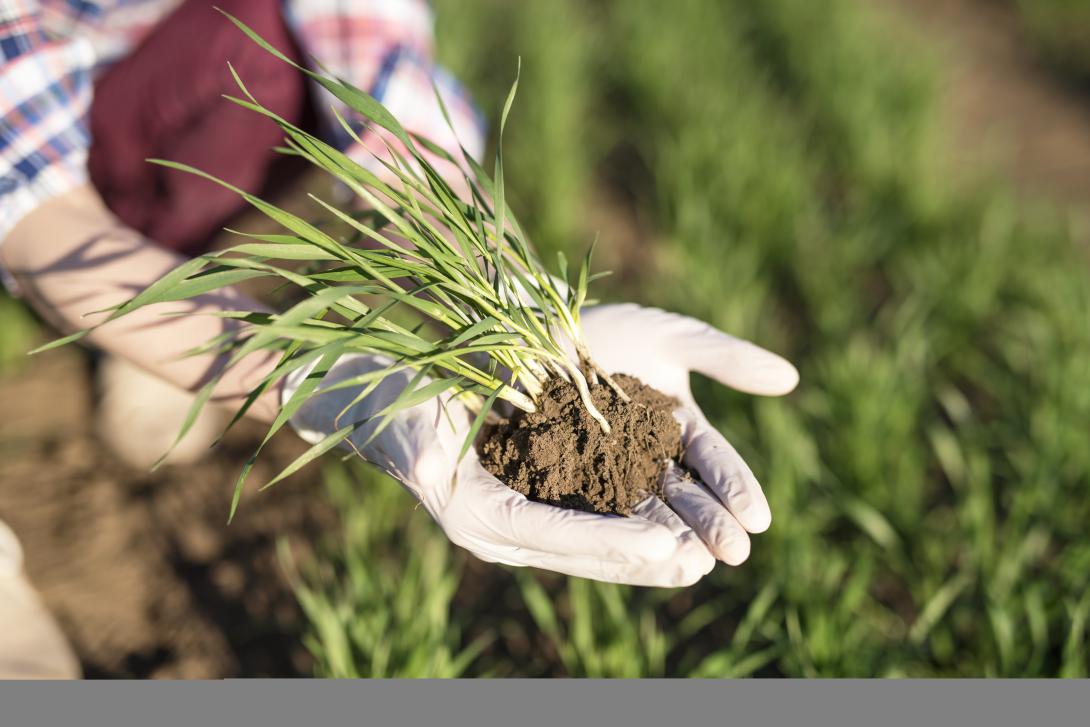
Agriculture plays a vital role in ensuring food security and supporting the livelihoods of millions of farmers. However, crop production faces several challenges, including insect pests, plant diseases, weeds, and other harmful organisms that can significantly affect crop growth and productivity. Traditionally, farmers have relied heavily on chemical pesticides to control these problems. While pesticides can provide effective protection when used correctly, excessive and improper use may affect soil health, beneficial organisms, the environment, and human health.
To address these challenges, Integrated Pest Management (IPM) has emerged as an important approach to sustainable agriculture. It combines biological, cultural, mechanical, physical, and chemical methods to manage pests effectively while reducing unnecessary pesticide use.
Integrated Pest Management encourages farmers to understand their crops, monitor pest populations, protect beneficial organisms, and select appropriate control measures. By adopting these practices, farmers can improve crop protection, maintain agricultural sustainability, and support better farm productivity.
What Is Integrated Pest Management (IPM)?
Integrated Pest Management is an environmentally responsible approach to controlling agricultural pests by combining different pest management techniques.
Instead of depending on a single pesticide or control method, IPM uses a combination of preventive and corrective measures to keep pest populations below economically damaging levels.
The main objective of IPM is to protect crops while minimising risks to farmers, consumers, beneficial organisms, and the environment.
IPM focuses on:
- Preventing pest outbreaks through proper crop management.
- Regular monitoring of insect pests and plant diseases.
- Promoting natural enemies and biological control.
- Using resistant crop varieties wherever suitable.
- Reducing unnecessary chemical pesticide applications.
- Applying pesticides judiciously when other measures are insufficient.
This integrated approach supports sustainable crop production and responsible agricultural practices.
Why Is Integrated Pest Management Important in Agriculture?
Pests and diseases can cause considerable losses in agricultural production. If they are not identified and managed at the right time, they can damage leaves, stems, roots, flowers, fruits, and seeds.
Excessive dependence on chemical pesticides may also create long-term challenges, including pesticide resistance, pest resurgence, environmental contamination, and harm to beneficial insects.
Integrated Pest Management offers a more balanced solution.
1. Reduces Excessive Pesticide Use
IPM encourages farmers to use non-chemical pest management methods wherever practical. Chemical pesticides are considered when monitoring indicates that intervention is necessary.
2. Protects Beneficial Insects
Beneficial organisms such as ladybird beetles, spiders, parasitoids, and pollinators play important roles in agricultural ecosystems. IPM promotes their conservation and encourages natural pest control.
3. Supports Soil and Environmental Health
Responsible pest management can help reduce unnecessary chemical inputs and minimise the risk of environmental contamination.
4. Helps Improve Crop Productivity
Early pest detection and timely management help prevent severe crop damage, supporting healthier crop growth and better production outcomes.
5. Promotes Sustainable Farming
By combining preventive, biological, mechanical, and need-based chemical methods, IPM supports long-term agricultural sustainability.
Major Components of Integrated Pest Management
Integrated Pest Management involves several complementary techniques. Farmers can select suitable combinations based on crop type, pest species, environmental conditions, and the level of infestation.
1. Cultural Methods of Pest Management
Cultural pest management involves modifying farming practices to make the agricultural environment less favourable for pests and diseases.
Some important cultural practices include:
- Crop Rotation: Growing different crops in successive seasons helps break the life cycles of certain crop-specific pests and diseases.
- Field Sanitation: Removing infected plant materials, crop residues, and weeds can reduce pest breeding and disease spread.
- Timely Sowing: Following suitable sowing periods can help crops avoid periods of high pest activity.
- Balanced Fertilisation: Applying nutrients according to crop requirements helps maintain healthy crop growth.
- Proper Irrigation: Appropriate water management reduces conditions favourable for certain pests and diseases.
- Intercropping: Growing compatible crops together can help diversify the agricultural ecosystem and, in suitable systems, reduce pest pressure.
These practices form an important foundation for effective pest management.
2. Mechanical and Physical Methods
Mechanical and physical methods involve directly removing, trapping, or preventing pests from reaching crops.
Common examples include:
- Handpicking and destroying visible insect pests and egg masses.
- Installing yellow sticky traps to monitor suitable flying insect pests.
- Using pheromone traps for monitoring and, where appropriate, mass trapping of specific insect pests.
- Installing insect-proof nets in nurseries and protected cultivation systems.
- Using bird perches to encourage insectivorous birds in suitable agricultural fields.
- Removing heavily infected plant parts to reduce the spread of certain diseases.
These methods are particularly useful when applied at the appropriate crop growth stage and in combination with other IPM practices.
3. Biological Pest Control
Biological control uses natural enemies of pests to suppress their populations.
It is an important component of sustainable agriculture because it encourages natural pest regulation.
Examples include:
- Ladybird Beetles: Help control aphids and certain soft-bodied insect pests.
- Trichogramma: A parasitoid wasp used against the eggs of certain moth pests.
- Chrysoperla: Its larvae feed on aphids, whiteflies, and other small insect pests.
- Predatory Spiders: Help control different insect pests in agricultural fields.
- Entomopathogenic Microorganisms: Certain beneficial fungi, bacteria, and viruses can be used to manage specific insect pests.
Biological control methods should be selected according to the target pest, crop, local conditions, and recommended application practices.
4. Botanical and Biopesticides
Botanical pesticides and biopesticides are useful tools in integrated crop protection.
Neem-based formulations contain naturally occurring compounds that can help manage certain insect pests. Microbial biopesticides containing organisms such as Bacillus thuringiensis and Beauveria bassiana are also used against specific target pests.
Some benefits include:
- Target-specific pest management in suitable applications.
- Opportunities to reduce reliance on conventional chemical pesticides.
- Compatibility with certain biological control programmes.
- Support for environmentally responsible crop protection.
However, biopesticides are not automatically harmless. They should be used according to approved recommendations and product instructions.
5. Chemical Pest Management
Chemical pesticides remain an important crop protection tool when pest populations reach economically damaging levels and other management methods are insufficient.
Under IPM, pesticides should be used responsibly and only when necessary.
Important practices include:
- Identifying the pest correctly before selecting a pesticide.
- Using only products registered for the particular crop and target pest.
- Following the recommended dosage and application method.
- Observing the pre-harvest interval and re-entry requirements.
- Wearing appropriate personal protective equipment.
- Avoiding pesticide application during unsuitable weather conditions.
- Rotating pesticide modes of action according to resistance-management recommendations.
The objective is not to eliminate all pesticide use but to ensure that pesticides are applied carefully, effectively, and responsibly.
The Role of Pest Monitoring and Economic Threshold Levels
Regular field monitoring is one of the most important principles of Integrated Pest Management.
Farmers should inspect their crops regularly to identify early signs of pest infestation and disease development.
Monitoring activities may include:
- Observing leaves, stems, roots, flowers, and fruits for pest damage.
- Identifying insect eggs, larvae, and adult insects.
- Checking for symptoms such as leaf spots, yellowing, wilting, and rotting.
- Using appropriate traps to monitor pest populations.
- Observing beneficial insects and natural enemies.
An important concept in IPM is the Economic Threshold Level (ETL).
ETL refers to the pest population level at which management action should be taken to prevent the pest population from reaching the Economic Injury Level, where the cost of crop damage becomes economically significant.
By following appropriate thresholds and crop-specific recommendations, farmers can avoid unnecessary pesticide applications and make informed pest management decisions.
How Technology Is Transforming Integrated Pest Management
Modern agricultural technologies are making pest monitoring and crop protection more efficient.
Technology-based approaches can help farmers detect pest problems, analyse crop conditions, and make timely decisions.
Some emerging technologies include:
1. Agricultural Drones: Drones equipped with imaging technologies can help monitor large agricultural areas and identify crop stress patterns that may require further inspection.
2. Artificial Intelligence: AI-based systems can assist in identifying certain plant diseases and insect pests through image analysis.
3. Smart Sensors: Field sensors can monitor environmental conditions such as temperature and humidity, which may influence pest and disease development.
4. Digital Pest Surveillance: Mobile applications and digital platforms can support pest reporting, monitoring, and access to agricultural advisory information.
5. Precision Agriculture: Data-driven technologies can help farmers target crop protection interventions more accurately.
Combining these technologies with field observation and scientific recommendations can strengthen IPM practices.
Challenges in Implementing Integrated Pest Management
Although IPM provides several benefits, its successful implementation requires proper knowledge, planning, and regular monitoring.
Some common challenges include:
- Limited awareness of IPM techniques among farmers.
- Difficulty in identifying pests and beneficial organisms.
- Inadequate access to reliable agricultural advisory services.
- Availability and quality concerns related to certain biocontrol products.
- Requirement for regular field monitoring.
- Misconceptions about the effectiveness of non-chemical pest management.
- Need for trained agricultural professionals and extension support.
Agricultural education, farmer training, field demonstrations, and scientific research are essential to overcome these challenges.
Role of Agricultural Education in Promoting Sustainable Crop Protection
Agricultural education plays a significant role in developing professionals who understand modern crop protection techniques and sustainable farming practices.
Students pursuing agriculture should develop knowledge of insect identification, plant diseases, biological control, pesticide management, crop health, and integrated pest management strategies.
At Kumaraguru Institute of Agriculture (KIA), agricultural education connects scientific knowledge with practical learning and modern farming requirements.
The institute's Department of Crop Protection focuses on the management of pests and diseases affecting crop plants. Students are introduced to important areas such as Agricultural Entomology and Plant Pathology, along with integrated pest and disease management strategies.
The department also emphasises host plant resistance, biological control, biopesticides, and the judicious use of chemical pesticides.
Explore more about the Department of Crop Protection at Kumaraguru Institute of Agriculture.
Through agricultural education and practical exposure, students can develop the knowledge and skills required to address crop protection challenges and contribute to sustainable agriculture.
Career Opportunities in Crop Protection and Integrated Pest Management
With increasing attention to sustainable agriculture, crop protection, and responsible pesticide management, students with agricultural qualifications can explore several career pathways.
Some potential opportunities include:
1. Agricultural Officer: Contribute to agricultural development, crop protection programmes, and farmer advisory services, subject to recruitment requirements.
2. Agricultural Entomologist: Work in insect identification, pest management, and agricultural research after obtaining the relevant qualifications.
3. Plant Pathologist: Explore the study and management of plant diseases through specialised education and research.
4. Crop Protection Specialist: Support farmers and agricultural organisations in selecting appropriate crop protection strategies.
5. Agricultural Researcher: Participate in research related to pest resistance, biological control, and sustainable crop production.
6. Biopesticide Industry Professional: Explore opportunities in the development, production, quality management, and marketing of biological crop protection products.
7. Agricultural Entrepreneur: Establish ventures related to agricultural consultancy, bio-inputs, crop protection services, and sustainable farming solutions.
Students can also pursue postgraduate education and specialised research in crop protection and allied agricultural sciences.
Conclusion: Building a Sustainable Future Through Integrated Pest Management
Integrated Pest Management is more than a pest control technique; it is a scientific approach to protecting crops while maintaining ecological balance.
By combining cultural practices, mechanical methods, biological control, pest monitoring, and responsible pesticide use, farmers can manage crop pests more effectively and reduce unnecessary environmental risks.
The future of agriculture depends on professionals who understand the importance of sustainable crop production, scientific innovation, and responsible resource management.
At Kumaraguru Institute of Agriculture (KIA), students are encouraged to explore modern agricultural sciences and develop the knowledge needed to contribute to the future of sustainable farming.
If you are interested in building a career in agriculture, crop protection, and agricultural innovation, explore the B.Sc. (Hons.) Agriculture programme at Kumaraguru Institute of Agriculture.
Explore the programme: https://kia.ac.in/program-offered/
Learn more about KIA: https://kia.ac.in/about-kia/
Explore Crop Protection: https://kia.ac.in/crop-protection/
Kumaraguru Institute of Agriculture – Nurturing agricultural knowledge, innovation and sustainable farming for a better tomorrow.