
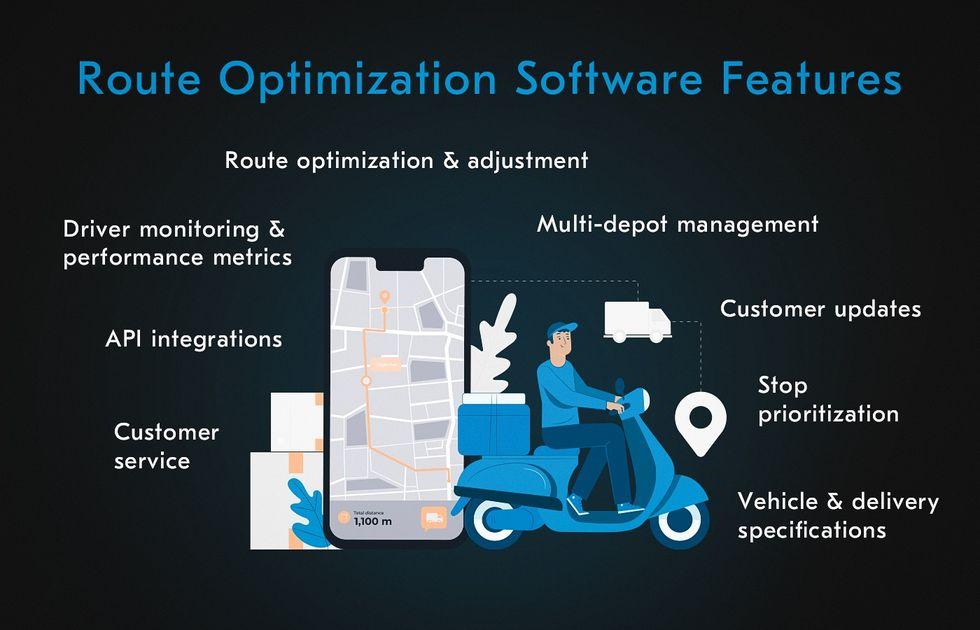
Transportation plays a critical role in modern business operations. Whether companies manage product deliveries, field services, or supply chain logistics, efficient transportation directly impacts customer satisfaction, profitability, and overall operational performance. However, businesses often face challenges such as rising fuel costs, traffic congestion, inefficient scheduling, and unexpected delivery delays.
These challenges can increase operational expenses and make it difficult to meet customer expectations. As competition grows and customers demand faster service, businesses must find smarter ways to optimize transportation activities.
Technology has become an essential tool for addressing these challenges. Through automation, real-time tracking, data analytics, and intelligent planning tools, organizations can reduce transportation costs while improving delivery performance. Businesses that invest in modern transportation technologies can achieve greater efficiency, improve customer experiences, and support long-term growth.
Understanding the Causes of Transportation Costs and Delays
Transportation costs and delays often result from inefficient planning, limited visibility, communication gaps, and manual operational processes. Businesses that implement route management software can address many of these challenges by improving route planning, optimizing resource allocation, and enhancing operational visibility.
Common causes of delays include traffic congestion, inefficient delivery schedules, vehicle downtime, and poor coordination between dispatchers and drivers. These issues can lead to increased fuel consumption, missed delivery windows, and higher operational expenses.
When transportation processes lack visibility and control, businesses struggle to respond effectively to disruptions. Identifying the root causes of transportation inefficiencies is the first step toward building a more efficient and cost-effective operation.
Improving Route Planning and Optimization
Route planning has a significant impact on transportation efficiency. Poorly planned routes can result in longer travel times, increased fuel consumption, and unnecessary operational costs.
Modern technology enables businesses to analyze traffic patterns, delivery locations, road conditions, and vehicle availability to create more efficient routes. Advanced route optimization tools help organizations select the most effective delivery paths while avoiding congestion and delays.
Optimized routing not only reduces transportation expenses but also improves delivery reliability. Businesses can complete more deliveries in less time while using fewer resources.
Smarter route planning supports operational efficiency and helps organizations maintain high levels of customer satisfaction.
Enhancing Real-Time Tracking and Visibility
Visibility is one of the most valuable benefits of transportation technology. Real-time tracking systems provide businesses with accurate information regarding vehicle locations, shipment status, and delivery progress.
Organizations that utilize route management software gain greater visibility into daily transportation activities and can monitor operations continuously. This information allows dispatchers and managers to identify issues quickly and take corrective action before delays escalate.
Real-time visibility also improves communication with customers by providing accurate delivery updates and estimated arrival times.
When businesses have access to reliable transportation data, they can make faster decisions and improve overall operational performance.
Automating Transportation and Dispatch Operations
Manual transportation management processes often create inefficiencies and increase administrative workloads. Dispatchers may spend significant time assigning drivers, scheduling deliveries, and managing transportation documents.
Automation streamlines these activities by handling routine tasks automatically. Scheduling, dispatching, route assignments, and status updates can be managed through centralized systems that reduce manual intervention.
Automated workflows improve consistency while minimizing errors and delays. Dispatch teams can focus on exception management and customer service rather than administrative tasks.
Organizations that automate transportation operations often achieve faster delivery cycles and lower operational costs. Automation helps create more predictable and efficient transportation processes.
Improving Fleet Utilization and Resource Management
Effective resource management is essential for controlling transportation costs. Businesses that fail to optimize vehicle usage often experience increased fuel expenses, unnecessary maintenance costs, and underutilized assets.
Technology helps organizations monitor vehicle performance, driver productivity, fuel consumption, and maintenance schedules. This information supports more efficient resource allocation and operational planning.
By improving fleet utilization, businesses can maximize the value of existing assets without increasing transportation expenses. Better vehicle management also reduces downtime and improves service reliability.
Efficient resource utilization contributes directly to cost savings and stronger operational performance across transportation operations.
Leveraging Data Analytics for Better Transportation Performance
Transportation generates large amounts of operational data that can be used to improve performance. Analytics tools help businesses monitor key metrics such as delivery times, fuel usage, vehicle utilization, and driver efficiency.
Organizations can identify recurring bottlenecks and areas where improvements are needed. Data-driven insights enable managers to make informed decisions regarding route planning, resource allocation, and operational strategies.
Businesses that leverage analytics effectively can reduce inefficiencies and continuously optimize transportation processes.
The ability to measure performance accurately helps organizations improve productivity while controlling costs. Analytics plays a critical role in long-term transportation planning and operational improvement.
Strengthening Communication and Collaboration
Transportation efficiency depends heavily on effective communication between drivers, dispatchers, warehouse teams, and customers. Communication gaps can lead to missed deliveries, scheduling conflicts, and unnecessary delays.
Technology improves collaboration by connecting stakeholders through centralized communication platforms. Real-time updates ensure that all parties have access to accurate information regarding transportation activities.
Improved communication allows businesses to respond quickly to unexpected situations and coordinate resources more effectively.
Organizations that strengthen collaboration often achieve smoother operations and better customer experiences. Connected teams can work together more efficiently to ensure successful deliveries and operational consistency.
Supporting Scalability and Business Growth
As businesses expand, transportation operations become increasingly complex. Higher delivery volumes and larger service areas require systems capable of supporting growth without sacrificing efficiency.
Organizations that implement route management software can scale transportation activities more effectively by automating planning, scheduling, and monitoring processes. Technology enables businesses to manage larger workloads without significantly increasing administrative overhead.
Scalable transportation systems help organizations adapt to changing customer demands and market conditions. Efficient operations support expansion while maintaining service quality and cost control.
Businesses that invest in scalable transportation technologies are better positioned to achieve sustainable long-term growth.
Future Trends in Transportation Technology
The future of transportation management will be driven by advancements in artificial intelligence, predictive analytics, Internet of Things (IoT) technologies, and autonomous transportation solutions. These innovations will provide businesses with even greater visibility and control over transportation operations.
AI-powered systems will help predict delays, optimize routes dynamically, and improve resource planning. IoT-enabled devices will provide real-time vehicle and shipment monitoring, enhancing operational transparency.
Emerging technologies will continue reducing transportation costs while improving service quality and efficiency. Businesses that embrace innovation will gain stronger competitive advantages and greater operational flexibility.
The future of transportation management will focus on intelligent automation and data-driven decision-making.
Conclusion
Technology has become an essential tool for reducing transportation costs and minimizing operational delays. Through route optimization, real-time tracking, automation, analytics, and improved communication, businesses can create more efficient transportation operations while controlling expenses.
As customer expectations continue to rise and transportation networks become more complex, organizations must leverage modern technologies to remain competitive. Businesses that invest in transportation innovation can improve efficiency, strengthen customer satisfaction, reduce costs, and build a foundation for long-term operational success.