

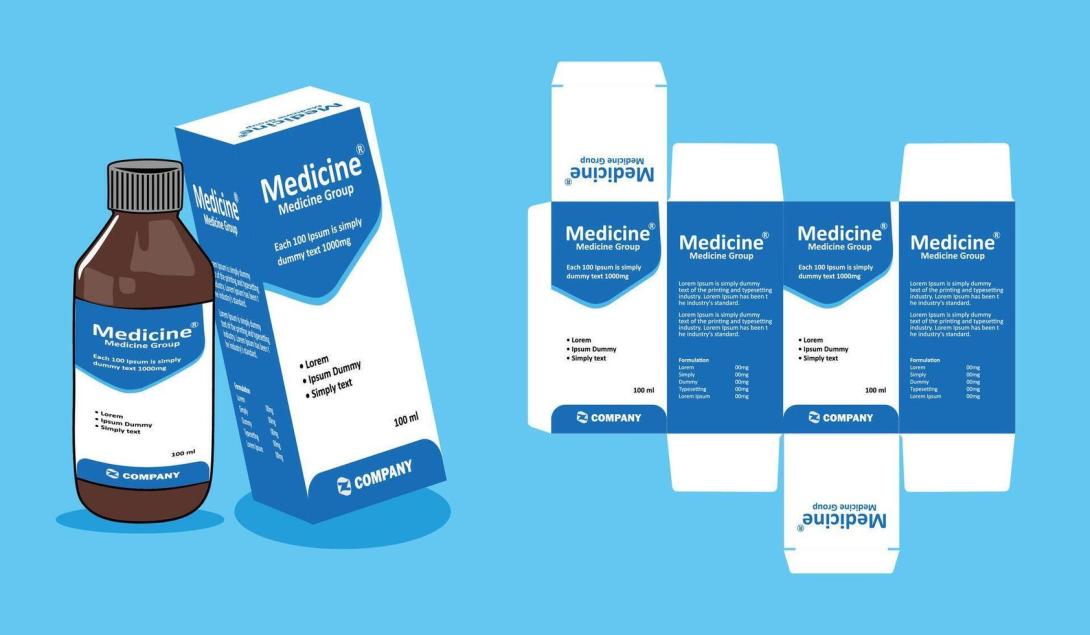
Syrup products need packaging that does more than just hold a bottle. It must protect the product during transport and also help it sell in stores. Good packaging plays both roles at the same time.
Today, brands focus on strength, design, and clear communication. This mix helps them reduce damage and build stronger customer trust.
Protection That Keeps Products Safe During Real Handling
Syrup bottles go through many hands before reaching the customer. They move from production units to warehouses, then delivery trucks, and finally store shelves. Each step creates risk. Bottles can shake, fall, or press against each other. Even a small impact can cause leaks or cracks.
Good packaging reduces these risks in a simple way. It creates a protective layer that holds the bottle firmly. It also controls movement inside the box. When the bottle stays stable, chances of damage drop quickly. This is very important for glass bottles, which are more fragile.
Temperature changes also create problems. Heat can affect syrup quality and taste. Direct sunlight can weaken labels and reduce product appeal. Strong packaging helps block light and reduces exposure to heat. This keeps the product stable for longer periods.
Moisture is another silent risk. It can damage labels and weaken packaging strength. A well-designed box keeps the bottle safe from damp conditions. This is especially helpful during long-distance shipping or storage in humid environments.
In many cases, brands also add inner supports. These small inserts stop bottles from moving inside the box. As a result, even rough handling does not easily damage the product.
One modern solution in this area is Printed Syrup Boxes, which combine protection with branding. They use strong materials while also showing product identity clearly. This helps businesses reduce loss and improve product safety without extra effort.
Strong packaging also reduces customer complaints. When products arrive safely, customers feel more confident about the brand. This improves long-term trust and reduces replacement costs for businesses.
Better Handling and Safer Transport Across Supply Chains
Transport is one of the most critical stages for syrup products. Even a well-made bottle can break if handling is poor. Trucks may hit bumps, packages may stack under weight, and workers may move cartons quickly. All these situations create pressure on packaging.
Good packaging design reduces these problems by controlling pressure from outside. A strong outer layer absorbs shocks during movement. This prevents direct force from reaching the bottle inside. As a result, products stay safe even during long trips.
Stacking is another important factor. In warehouses, boxes are often placed on top of each other. If packaging is weak, lower boxes may get crushed. Strong structure ensures that weight distributes evenly. This keeps every unit safe during storage.
Clear labeling also helps during transport. When workers can identify fragile items quickly, they handle them more carefully. This reduces accidents and improves overall efficiency in supply chains.
To improve safety further, companies focus on:
- Strong corrugated material for shock absorption
- Tight internal fitting to reduce movement
- Moisture-resistant outer coating for long routes
- Clear handling instructions for workers
- Durable sealing to prevent leakage
Each of these elements plays a role in reducing product damage. When combined, they create a smooth transport system.
Packaging also affects delivery speed. When goods are well-packed, workers spend less time worrying about damage. This improves overall handling efficiency. It also reduces delays in shipping operations.
In the end, safe transport is not just about protection. It is also about cost control and customer satisfaction. Fewer damaged goods mean fewer losses and happier buyers.
Building Strong Brand Identity Through Visual Design
Packaging is often the first thing customers notice. Before they read anything, they see colors, shapes, and style. This first impression can decide whether they pick up the product or ignore it.
A strong design helps a brand stand out in crowded stores. When shelves are full of similar products, visual identity becomes very important. A unique look makes it easier for customers to remember the brand later.
Color choice plays a big role here. Bright colors can create energy and attract attention. Soft tones can create a feeling of trust and quality. Brands choose colors based on their target audience and product style.
Typography also matters. Simple and clear fonts help customers read information quickly. Fancy fonts may look attractive but can reduce readability. So, balance is important in design.
Consistency is another key factor. When a brand uses the same design style across products, customers recognize it faster. Over time, this builds trust and loyalty.
Design also helps tell a story. A good package can show quality, tradition, or freshness without saying much. Visual elements like patterns and logos communicate brand values silently.
Strong packaging design offers these benefits:
- Improves shelf visibility in stores
- Builds quick brand recognition
- Creates emotional connection with buyers
- Supports long-term brand memory
- Enhances product professionalism
Customers often connect design with quality. A well-designed product feels more premium, even before use. This perception can directly influence buying decisions.
Good branding through packaging is not just decoration. It is a communication tool that works 24/7 on shelves and in homes.
Marketing Power That Works Directly at the Shelf
Marketing does not always happen through ads or social media. In many cases, packaging itself becomes the strongest marketing tool. When customers stand in front of a shelf, packaging speaks first.
A well-designed box can attract attention in seconds. This short moment is very important. Customers often make quick decisions based on visual appeal and clarity.
Packaging also helps highlight product benefits. Simple text and clean layout make it easy to understand what the product offers. This reduces confusion and increases purchase confidence.
Brands also use packaging to create emotional appeal. A premium look can suggest luxury. A natural design can suggest health or purity. These signals influence buying behavior strongly.
Here are some key marketing advantages:
- Attracts attention without extra advertising cost
- Improves product recall in customer memory
- Communicates product quality instantly
- Encourages impulse buying in stores
- Strengthens brand message at point of sale
Retail shelves are competitive spaces. Many products compete for attention. Packaging becomes the silent salesperson that works continuously.
Good marketing packaging also supports repeat sales. When customers enjoy both product and presentation, they are more likely to buy again. This helps build long-term business growth.
Clear Product Information Builds Customer Trust
Customers always want to know what they are buying. They check ingredients, usage instructions, and expiry dates before making decisions. Packaging plays a key role in providing this information clearly.
When information is easy to read, customers feel more confident. This reduces confusion and builds trust. On the other hand, unclear packaging often creates doubt.
Good layout helps organize details in a simple way. Important information should stand out. Less important details should stay secondary. This balance improves readability.
Important details usually include:
- Ingredients and composition
- Expiry date and batch number
- Storage instructions
- Usage guidelines
- Manufacturer information
When these details are clear, customers feel safe using the product. This is especially important for food-related items.
Clarity also reduces customer complaints. When users understand the product well, they are less likely to misuse it. This improves overall satisfaction.
Packaging that communicates clearly also reflects honesty. Customers trust brands that are open about their product details. This trust leads to long-term loyalty.
Role in E-Commerce and Home Delivery Growth
Online shopping has changed packaging needs. Products now travel longer distances and face more handling steps. This makes strong packaging more important than ever.
In e-commerce, customers do not see the product before buying. They rely fully on images and trust. So, packaging must match expectations when delivered.
Damage during shipping can lead to negative reviews. This affects brand reputation quickly. Strong packaging reduces this risk significantly.
E-commerce packaging must handle:
- Long-distance transport
- Multiple handling points
- Courier pressure and stacking
- Weather changes during transit
At the same time, unboxing experience also matters. Customers enjoy products that look neat and professional when opened. This creates a positive emotional response.
A good unboxing experience can even lead to social media sharing. This gives brands free marketing exposure.
Sustainable Packaging and Modern Consumer Demand
Today’s customers care about the environment. They prefer brands that use eco-friendly materials. This has made sustainability an important part of packaging design.
Recyclable materials reduce environmental waste. They also improve brand image. Customers respect companies that take responsibility.
Sustainable packaging does not only help nature. It also builds stronger customer relationships. People feel better buying from responsible brands.
It also reduces long-term material costs. Many eco-friendly solutions are now affordable and practical.
Business Growth Through Smart Packaging Investment
Packaging directly affects profit and business growth. Strong packaging reduces product damage, which lowers replacement costs. It also improves customer satisfaction, which increases repeat sales.
Better design improves shelf performance. This leads to higher visibility and better sales rates. Over time, this supports steady growth.
Smart packaging also strengthens brand value. A strong brand attracts more customers and builds market trust.
In the long run, packaging becomes an investment, not just a cost. It supports marketing, protection, and customer experience all at once.
Conclusion
Packaging plays a much bigger role than just holding a syrup bottle. It protects the product from damage, supports safe transport, and helps maintain quality until it reaches the customer. At the same time, it works as a silent marketing tool that influences buying decisions at the shelf.
Strong design, clear information, and durable material all work together to improve customer trust. When buyers receive a product in perfect condition and with clear details, they feel more confident about the brand. This directly leads to better satisfaction and repeat purchases.
Modern businesses also depend on packaging to stand out in competitive markets. A well-designed box improves visibility, builds brand identity, and creates a strong first impression. In many cases, it becomes the reason a customer chooses one product over another.
Overall, smart packaging is no longer optional. It is an essential part of product success, helping brands grow, reduce losses, and build long-term customer relationships.
Visit our website and Get a Quote: https://ibexpackaging.com/custom-syrup-boxes/