
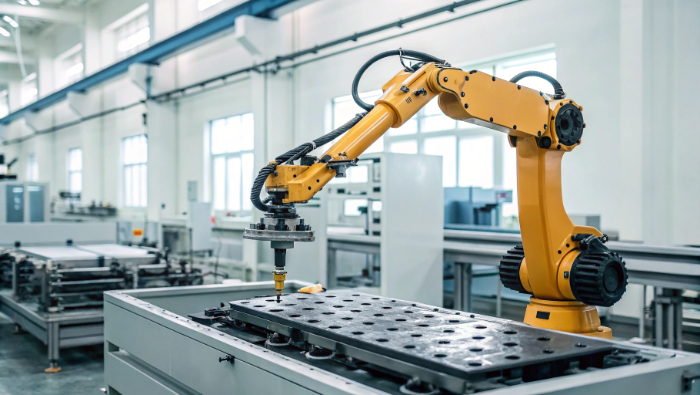
Managing industrial assets is tougher than ever. Teams often rely on manual inspections, which can miss small but critical problems. Equipment failures sneak up, causing downtime, missed production targets, and costly repairs. Fortunately, a robotics inspection solution can transform asset management. With automation, smart sensors, and predictive insights, these systems detect issues early and improve overall maintenance efficiency. Optimizing these solutions ensures you get maximum ROI, better asset uptime, and smoother operations.
Why Robotics Inspection Solution Is Critical for Modern Operations
In today’s industrial environment, relying solely on manual inspections often leads to errors and the overlooking of issues. Even experienced technicians can miss subtle defects, and high-value assets can quickly degrade. This is where robotics for inspection & maintenance truly shines.
Furthermore, robotic inspections consistently collect standardized data, minimizing human error. When integrated with asset management systems, organizations can predict failures before they happen, reducing downtime and maintenance costs. It’s a shift from reactive to proactive maintenance, and it’s more important than ever.
Steps to Optimize Your Robotics Inspection Solution
Before jumping into technical configuration, it’s important to understand that optimization is an ongoing process. It blends strategy, system integration, and team adoption. These steps help you fine-tune performance so your robotic systems deliver accurate, consistent, and actionable insights.
Robotics works best when aligned with real operational goals, not just technology trends. With the right setup, it becomes the backbone of reliable asset management. Here’s how to streamline everything for maximum uptime and greater efficiency.
Step 1: Define Clear Objectives for Robotics Inspections
Before deploying or upgrading, clarify your goals. Are you focusing on safety, reducing downtime, or improving predictive maintenance?
- Identify high-value or high-risk assets first
- Decide which inspection types (visual, thermal, ultrasonic) matter most
- Set measurable KPIs like reduced downtime or faster fault detection
By establishing objectives upfront, teams avoid wasted effort and ensure the robotics inspection maintenance solution aligns with actual business needs.
Step 2: Integrate Robotics With Asset Management Systems
Integration is key for optimization. Linking your robotics inspection solution to your asset management platform centralizes data and improves decision-making.
- Enable automated work orders when anomalies are detected
- Use dashboards to monitor asset health in real-time
- Centralize inspection records for compliance and reporting
This reduces duplicate work, ensures accountability, and speeds up maintenance actions.
Step 3: Utilize Advanced Sensors Effectively
Modern robotic systems use multiple sensors to detect hidden faults. Optimizing sensor use ensures inspections are thorough and actionable.
- Combine visual, thermal, and ultrasonic sensors for multi-layered inspection
- Adjust sensor frequency based on asset criticality
- Calibrate sensors regularly to maintain accuracy
Proper sensor strategy reduces missed defects and enhances predictive maintenance capabilities.
Step 4: Leverage AI and Predictive Analytics
AI transforms raw inspection data into actionable insights. Predictive analytics enables teams to identify trends and forecast failures before they occur.
- Monitor historical trends for recurring issues
- Prioritize maintenance on critical assets
- Generate predictive alerts to prevent costly breakdowns
This step shifts operations from a reactive to a proactive approach, saving time and money.
Step 5: Optimize Workflow and Inspection Schedules
Efficiency depends on how inspections are scheduled and executed. Align robotic inspections with production schedules to reduce disruption.
- Dynamic scheduling based on asset health and risk
- Prioritize inspections in areas with higher failure likelihood
- Automate notifications for maintenance teams
A streamlined workflow ensures maximum coverage with minimal downtime.
Step 6: Train Teams and Foster Adoption
Even the best robotics inspection solution fails without proper adoption. Teams need training and confidence in the system.
- Provide hands-on training for operators and technicians
- Encourage feedback to refine workflows
- Highlight time savings and safety improvements
When teams understand the benefits, they’re more likely to leverage the technology fully.
Step 7: Review, Adjust, and Improve Continuously
Optimization is not a one-time task. Regular review ensures the robotics inspection maintenance solution stays effective.
- Track KPIs like reduced downtime, defect detection rates, and maintenance costs
- Adjust inspection frequency or sensor usage based on results
- Update software and analytics tools to maintain peak performance
Continuous improvement maximizes ROI and ensures assets remain reliable.
Conclusion
Optimizing a robotics inspection solution for asset management is about strategy, integration, and continuous improvement. Implementing these steps ensures assets are monitored intelligently, failures are prevented, and teams work smarter.
Boost your operations, reduce downtime, and achieve smarter asset management with a tailored robotics inspection solution from MicroMain, ensuring every maintenance cycle adds measurable value to your business.
FAQs
How can robotics for inspection & maintenance improve asset uptime?
It detects defects early, triggers predictive maintenance, and integrates with asset management, reducing unexpected downtime.
What is the most critical step in optimizing a robotics inspection solution?
Integration with asset management systems is key; it centralizes data, automates reporting, and ensures actionable insights.
Can AI be applied to robotics inspections for predictive maintenance?
Yes, AI analyzes historical data, forecasts failures, and helps teams prioritize maintenance tasks effectively.