

Improving home energy efficiency often starts with cavity wall insulation Ireland. Which helps reduce heat loss and improve indoor comfort throughout changing seasons. Installation time is something that many homeowners consider. Especially when making home improvement plans. Since they may have to schedule work out of their normal routine. The process of installing each property is slightly different, but most are relatively simple and can be done within a relatively short period of time. Knowing what influences a project's time frame can help homeowners plan accordingly and prevent any last-minute surprises while installing.
Why Installation Time Varies Between Properties
Installation times vary by property and are determined by a number of factors the property has that installers will consider before starting work. Technicians' speed may be affected by the size of the house, condition of the walls, and access. In older properties, sometimes extra inspections are necessary prior to installation. When cavity wall insulation Ireland is installed, these factors are taken into account to ensure that the finished product will meet the desired results.
Property size and wall dimensions
Larger homes naturally require more insulation material and installation time than smaller residential properties. Additional wall space increases drilling and filling requirements. Installation teams plan accordingly to maintain quality standards. Property size remains one of the most significant scheduling factors.
Existing wall condition
Insulation must be adequate in wall cavities before work can be effectively done. There is a need for moisture problems or structural problems to be addressed before. These conditions are mitigated by addressing them, which will preserve long-term insulation performance. Successful installation comes from proper preparation.
The Initial Assessment Process
Prior to the commencement of installation, the property is assessed to see if it is suitable for cavity wall insulation. This assessment helps to detect any potential issues and verifies cavity suitability. The majority of assessments require only a fraction of the time needed for installation.
Property inspection and measurements
Installers assess the wall structure and measure to ensure that the correct quantities of materials are ordered. These inspections are valuable for pre-empting any issues prior to work being commenced. Careful planning helps to facilitate the project process. Precise measurements result in the more efficient installation process.
Determining insulation suitability
Not every property contains suitable cavity walls for insulation upgrades. Inspectors verify wall structure and cavity conditions before approving installation. This evaluation protects homeowners from inappropriate applications. Suitability assessments improve project success rates.
Typical Installation Timeline for Most Homes
Once preparation and assessment are complete, installation often progresses quickly. Many residential properties require only a single visit to complete the work. Scheduling depends on property size and installer availability.
Small and medium-sized homes
Smaller properties often require only several hours for installation under normal conditions. Technicians drill access points and inject insulation materials efficiently. Cleanup usually occurs on the same day. Most homeowners experience minimal disruption.
Larger residential properties
Larger homes may require additional installation time due to expanded wall areas. Even so, projects often finish within one working day. More complex layouts can extend timelines slightly. Proper planning helps maintain efficiency.
What Happens During Installation?
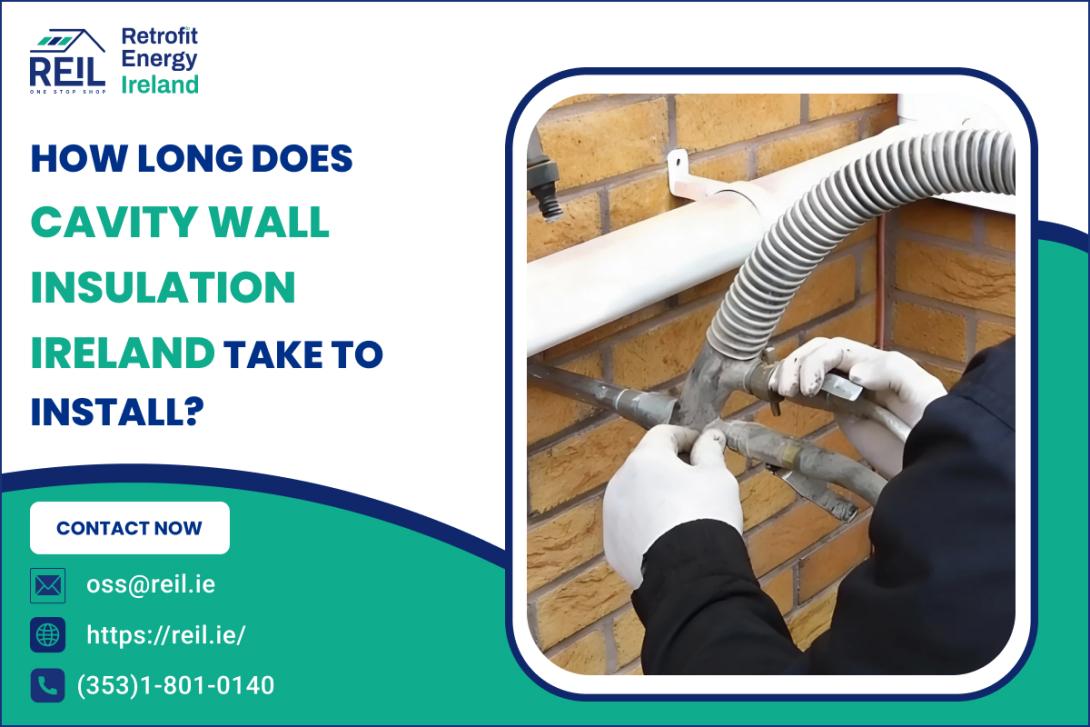
Understanding the installation process helps homeowners know what to expect when technicians arrive. Most work takes place outside the property, reducing disruption inside the home. The process follows established procedures designed to ensure consistent results.
Drilling access points
Installers create small openings at specific locations to access wall cavities effectively. These openings allow insulation materials to reach targeted areas. Placement follows established installation guidelines. Precision supports even insulation coverage.
Injecting insulation materials
Specialized equipment injects insulation into cavity spaces throughout the property walls. Technicians monitor distribution carefully to ensure consistent coverage. Proper filling improves thermal performance. Quality control remains important throughout the process.
Sealing and finishing work
After insulation placement, installers seal access points to match the surrounding wall surface. Final inspections confirm work quality and completeness. Cleanup follows before project completion. Homes return to normal use immediately afterward.
How Other Energy Upgrades Affect Scheduling
Many homeowners combine insulation improvements with other energy-efficiency projects. Additional upgrades can influence scheduling and project coordination. Planning multiple improvements together often improves overall efficiency.
Combining with attic insulation projects
Some homeowners pursue attic insulation grants Ireland opportunities alongside wall insulation upgrades. Coordinating both projects may extend overall timelines slightly. However, combined planning often improves energy performance results. Scheduling becomes easier through coordinated work.
Integrating heating system improvements
Homeowners upgrading low temperature heating systems sometimes schedule insulation work beforehand. Better insulation reduces heat demand and improves system effectiveness. Proper sequencing supports stronger efficiency outcomes. Planning helps maximize investment value.
The Relationship Between Insulation and Modern Heating Systems
Modern heating technologies perform best when homes retain heat effectively. Insulation improvements often complement heating upgrades by reducing energy demand throughout the property.
Supporting air-to-water heating performance
Properties using air to water heating systems benefit when insulation reduces heat loss through external walls. Better thermal retention improves system efficiency. Heating equipment operates under less strain. Energy performance generally improves.
Reducing overall heating demand
Well-insulated homes require less energy to maintain comfortable indoor temperatures. Reduced demand supports heating system efficiency and comfort. Lower demand promotes heating system efficiency and comfort. Reduced energy usage can lead to lower energy bills. The performance benefits are more apparent over time.
Understanding the Installation Timeline
Most cavity wall insulation Ireland projects move from assessment to completion faster than many homeowners expect. Property size, wall condition, and project coordination influence timing, yet installation often finishes within a single day. When insulation upgrades work alongside attic insulation grants Ireland, low temperature heating systems, and air to water heating systems, homeowners can create a more energy-efficient property that delivers comfort and performance for years ahead.