
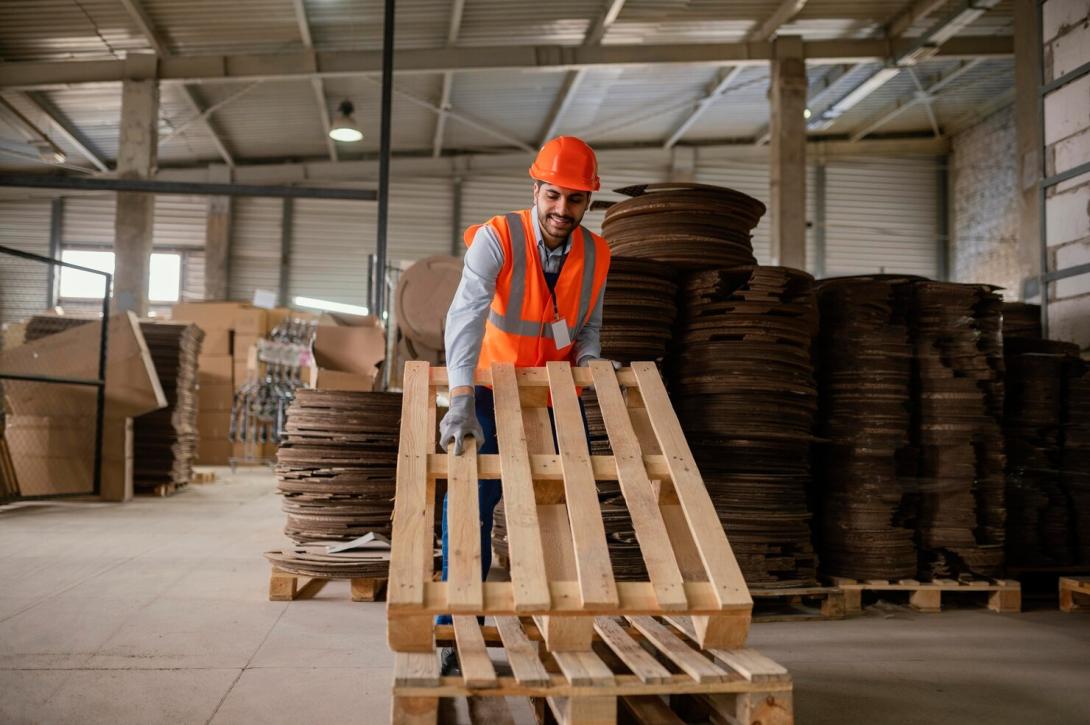
When people think about shipping products or heavy equipment, they often focus on trucks, crates, or protective wrapping. Yet one important item quietly supports almost everything behind the scenes—the pallet.
Without pallets, moving heavy goods through warehouses, factories, and transportation systems would be far more difficult. Whether companies are shipping machinery, industrial parts, electronics, or boxed products, pallets help keep cargo organized, stable, and easier to transport.
That is where industrial shipping pallets become essential.
At first glance, pallets may seem simple. They look like flat platforms made of wood, plastic, or metal. But choosing the right pallet can affect product safety, transportation costs, loading speed, and even damage prevention.
Think of a pallet like the foundation of a house. Even if everything above it is built perfectly, a weak foundation creates problems. The same idea applies during shipping. A poor pallet choice can lead to instability, damaged goods, and delays.
Understanding how industrial pallets work helps businesses make smarter shipping decisions.
What Are Industrial Shipping Pallets?
Pallets are flat platforms designed to support goods during storage, loading, and transportation.
They make it easier for forklifts and pallet jacks to lift, move, and organize heavy items efficiently.
Instead of moving products one box at a time, workers can transport many items at once.
Common industries that rely heavily on pallets include:
- Manufacturing
- Construction
- Automotive
- Healthcare
- Warehousing
- Aerospace
- Energy and industrial operations
Different products require different pallet styles, depending on weight, fragility, and transportation conditions.
This is why industrial shipping pallets are far more specialized than many people realize.
Why Pallets Matter More Than Most People Think
Some businesses overlook pallets because they seem basic. However, they play an important role in protecting products.
Imagine stacking dishes directly in the back of a moving truck without shelves or support. Things would likely shift, tip over, or break.
Pallets create structure.
They help cargo remain stable while moving through warehouses, onto trucks, and across long distances.
A reliable pallet can help reduce:
- Product shifting
- Transportation damage
- Loading delays
- Workplace handling issues
- Storage inefficiencies
In short, pallets help products travel more safely and efficiently.
The Main Types of Industrial Pallets
Not every pallet works for every shipment.
The right choice depends on cargo size, environment, and transportation requirements.
Wooden Pallets
Wood remains one of the most commonly used pallet materials.
Why?
Because wood pallets are affordable, strong, and widely available.
They work well for many industrial shipments and can support substantial weight.
However, wood pallets may wear down over time or absorb moisture in certain environments.
Think of wooden pallets like dependable work boots. They are practical and reliable but eventually show signs of wear.
Plastic Pallets
Plastic pallets offer durability and resistance to moisture.
They are often used in industries requiring cleaner environments, such as healthcare or food-related shipping.
Unlike wood, plastic does not splinter.
These pallets may also last longer in some situations.
Metal Pallets
For extremely heavy cargo, metal pallets may be the better option.
Industrial machinery and oversized components sometimes require stronger support.
Metal pallets are durable but often heavier and more expensive.
Think of them like reinforced shelves built to hold serious weight.
Custom Pallets
Some products simply do not fit standard pallet dimensions.
Oversized or unusual items may require custom-built solutions designed around specific measurements.
This extra planning often improves safety during transportation.
How Pallets Improve Shipping Efficiency
Moving industrial products without pallets would slow everything down.
Pallets help speed up:
Loading and Unloading
Forklifts can quickly move entire loads rather than individual packages.
This saves time and reduces labor demands.
Warehouse Organization
Palletized shipments are easier to stack and store.
Warehouses become more organized and easier to navigate.
Damage Prevention
Stable cargo reduces shifting during transportation.
Less movement often means fewer damaged products.
Transportation Planning
Consistent pallet sizes help trucks and containers maximize space.
Think of organizing luggage inside a car. When bags fit together neatly, everything becomes easier.
Shipping works similarly.
Why Weight Capacity Matters
One common mistake businesses make is choosing pallets without considering weight limits.
Every pallet has a carrying capacity.
Using a weak pallet for heavy cargo creates risks.
Imagine sitting on a folding chair designed for lightweight use while carrying heavy boxes. The result probably would not end well.
Industrial equipment, metal parts, and oversized machinery require strong support systems.
Choosing the correct pallet helps prevent accidents and product loss.
The Hidden Risks of Poor Pallet Selection
A damaged or unsuitable pallet can create major problems.
Potential risks include:
Product Shifting
Unstable cargo may slide during transportation.
Broken Packaging
Weak pallet support may lead to damaged boxes or equipment.
Workplace Injuries
Broken pallets increase safety concerns for workers handling cargo.
Delayed Deliveries
Damaged goods often create shipment disruptions.
Something as simple as the wrong pallet can trigger costly setbacks.
That is why businesses often invest time in selecting the right shipping platform.
How Weather Can Affect Shipping Pallets
Environmental conditions also matter.
Rain, humidity, heat, and cold may affect pallet performance.
Wood pallets exposed to moisture may weaken over time.
Plastic pallets often resist water better.
Extreme temperatures may influence material durability depending on the shipping environment.
Imagine leaving outdoor furniture exposed to changing weather all year. Materials naturally react differently over time.
Shipping materials behave similarly.
Selecting the right pallet for environmental conditions improves reliability.
When Standard Pallets Are Not Enough
Some industrial shipments require more than a standard platform.
Large machinery, fragile systems, or oddly shaped equipment may need added protection.
This is where custom crating and shipping services become especially valuable.
A pallet provides the base, but a custom crate adds another layer of security.
Think of it like placing a valuable item into a protective travel case instead of leaving it exposed.
Custom crating helps reduce movement and protects sensitive cargo from bumps, weather, and handling risks.
Businesses often use specialized crating for:
- Industrial machinery
- Delicate electronics
- Medical systems
- Large replacement parts
- Sensitive manufacturing equipment
For valuable cargo, this added protection can prevent expensive damage.
How Businesses Choose the Right Pallet
Choosing the right pallet involves asking practical questions.
How Heavy Is the Product?
Weight determines the strength required.
Heavy machinery may need reinforced solutions.
Is the Product Fragile?
Sensitive items benefit from stable support and additional protection.
Will It Travel Long Distances?
Longer transportation routes often involve more movement.
Extra durability becomes important.
What Conditions Will It Face?
Humidity, outdoor storage, and rough handling may affect material choice.
The answers help businesses identify the best pallet type.
How AA&D Crating Helps Support Safer Shipments
Shipping valuable industrial products takes planning.
The right pallet system helps, but sometimes additional protection is necessary.
AA&D Crating understands that industrial shipments often involve expensive, oversized, or sensitive cargo.
By helping businesses prepare products for transport, AA&D Crating supports safer movement through thoughtful packaging strategies, protective handling methods, and specialized shipping preparation.
Whether products require reinforced support or extra protective measures, experienced planning often makes transportation smoother.
Smart Tips for Better Shipping Results
Want to reduce transportation headaches? These practical ideas can help.
Inspect Pallets Before Use
Damaged pallets should never support valuable cargo.
Cracks or weaknesses increase risk.
Match the Pallet to the Load
Choose materials and strength levels based on product weight.
Secure Products Properly
Even strong pallets need proper wrapping or strapping.
Avoid Overloading
Exceeding weight limits creates safety concerns.
Consider Extra Protection
For delicate or valuable cargo, custom crating and shipping services may provide added peace of mind.
Why Industrial Shipping Is Becoming More Demanding
Modern businesses move products faster than ever.
At the same time, equipment and industrial goods are becoming more valuable and more specialized.
As expectations for faster delivery increase, businesses need dependable transportation systems that protect cargo while keeping schedules on track.
Pallets remain one of the simplest yet most important tools supporting this process.
In many ways, they act like silent partners in logistics—rarely noticed when everything goes smoothly but deeply important when problems arise.
Conclusion
Choosing the right industrial shipping pallets can make a major difference in how products travel. From improving stability to helping reduce damage, pallets play a much bigger role than many businesses realize.
Understanding pallet materials, weight limits, environmental factors, and transportation needs helps companies make better decisions.
For shipments requiring additional protection, solutions such as custom crating and shipping services can offer added security. Companies like AA&D Crating help businesses prepare cargo more effectively so valuable products arrive safely and ready for use.
When strong planning meets the right shipping support, transportation becomes smoother, safer, and far less stressful.