

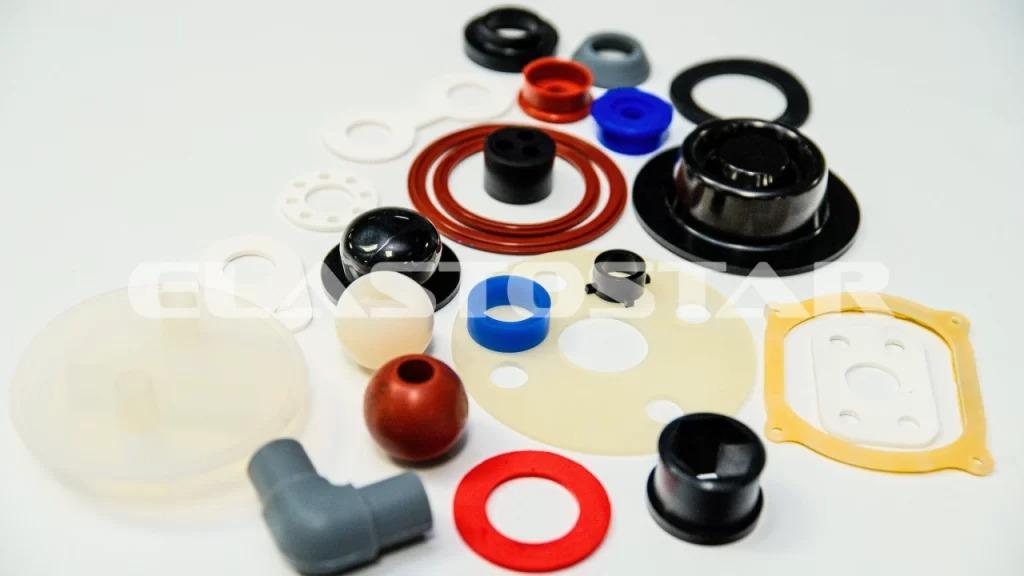
Industrial equipment often operates under demanding conditions where leaks, contamination, pressure loss, and component damage can affect productivity. A properly designed gasket helps create a barrier between mating surfaces and keeps fluids, gases, dust, and other contaminants from passing through unwanted gaps.
Die cut gaskets are widely used for industrial sealing because they can be produced in precise shapes and dimensions to match specific equipment designs. Their versatility allows manufacturers to select materials based on temperature, pressure, chemical exposure, compression requirements, and other operating conditions.
For businesses seeking reliable custom sealing components, working with an experienced Die Cut Gaskets Manufacturer in USA can help ensure that gasket design, material selection, and production requirements are properly matched to the application.
What Are Die Cut Gaskets?
Die cut gaskets are sealing components manufactured by cutting sheet or roll materials into specific shapes using a die. The process can produce gaskets with holes, openings, curves, channels, and other design features required for installation.
Different materials can be converted into die cut gaskets, including silicone, EPDM, neoprene, nitrile, rubber, sponge rubber, cork, and other specialty materials.
The material is selected according to the environment in which the gasket will operate. This makes die cutting suitable for applications ranging from simple enclosure seals to demanding industrial equipment.
How Do Die Cut Gaskets Improve Sealing Performance?
1. Precise Dimensions
Sealing performance depends heavily on proper fit. A gasket that is too small may leave gaps, while one that is too large may interfere with assembly.
Die cutting allows manufacturers to produce consistent gasket dimensions based on engineering drawings, samples, CAD files, or customer specifications.
Precise dimensions help the gasket align correctly with bolt holes, openings, channels, and mating surfaces.
2. Consistent Compression
A gasket needs appropriate compression to create an effective seal. Uneven thickness or inconsistent dimensions can result in areas with insufficient compression.
Die cut manufacturing can produce gaskets with controlled thickness and repeatable geometry. This helps distribute compression more consistently across the sealing area.
The correct compression level still depends on the selected material, gasket thickness, groove design, fastener arrangement, and equipment specifications.
3. Better Surface Conformability
Industrial components may have small surface imperfections or dimensional variations. A suitable gasket material can conform to these irregularities when compressed.
Die cut gaskets can be manufactured from materials with different hardness and flexibility levels, allowing manufacturers to select a material that fits the sealing environment.
Soft rubber and sponge materials can be particularly useful when filling small gaps is an important part of the sealing design.
4. Reliable Protection Against Contaminants
Industrial equipment may need protection from dust, moisture, oil, chemicals, air, and other contaminants.
A properly designed die cut gasket can create a barrier around access panels, covers, flanges, housings, and other equipment interfaces.
This can help protect internal components and maintain the desired operating environment.
Common Materials Used for Die Cut Gaskets
Choosing the correct material is one of the most important parts of gasket design.
Silicone Rubber
Silicone is known for flexibility, temperature resistance, weather resistance, and good performance in many environmental conditions.
Silicone die cut gaskets are used in applications involving temperature fluctuations, outdoor exposure, electrical equipment, and selected food processing environments.
EPDM Rubber
EPDM provides good resistance to weathering, ozone, and water. It is commonly considered for outdoor sealing applications and systems exposed to moisture.
Neoprene Rubber
Neoprene can provide a useful balance of flexibility, mechanical performance, and resistance to weathering and certain chemicals.
It may be used in industrial equipment, HVAC systems, enclosures, and other sealing applications.
Nitrile Rubber
Nitrile rubber is often selected where resistance to petroleum-based oils and fuels is required.
Its suitability depends on the specific fluid, temperature, concentration, and operating conditions.
Sponge Rubber
Sponge rubber can be useful where low compression force and gap filling are required. Closed-cell sponge materials can also provide resistance to moisture and air movement.
The appropriate material depends on the sealing requirements and equipment design.
Applications of Die Cut Gaskets in Industrial Equipment
Industrial Machinery
Machinery often contains access panels, covers, housings, flanges, and other interfaces that require sealing.
Die cut gaskets can be manufactured to match these specific shapes and provide a barrier against contaminants and fluid leakage.
Electrical Enclosures
Electrical cabinets and control panels may need protection from dust and moisture.
Custom die cut gaskets can be placed around enclosure doors, covers, and openings to support enclosure sealing.
Material selection should account for temperature, weather exposure, electrical requirements, and enclosure design.
HVAC Equipment
Heating and cooling systems frequently require gaskets around access doors, panels, ducts, and other connections.
A properly selected die cut gasket can help reduce air leakage and protect internal components from environmental exposure.
Pumps and Valves
Pumps and valves depend on effective sealing to prevent fluid leakage.
Die cut gaskets can be manufactured from materials selected for the specific fluid, pressure, temperature, and mechanical requirements.
Food Processing Equipment
Food processing equipment requires sealing materials that are suitable for the intended application and cleaning environment.
Specialized rubber and silicone materials can be converted into custom die cut gaskets for selected food processing applications.
Where direct food contact occurs, the material should meet the applicable requirements for the intended use.
Factors That Affect Gasket Sealing Performance
Material Compatibility
A gasket must be compatible with the fluids, gases, chemicals, and cleaning agents it will encounter.
A material that performs well in one application may not be appropriate for another. Chemical compatibility should be evaluated before selecting the gasket compound.
Temperature
Temperature affects the physical properties of rubber and other gasket materials.
The expected minimum and maximum temperatures should be considered, including exposure during operation, cleaning, storage, and equipment shutdown.
Pressure
Pressure can place significant demands on a gasket. Higher-pressure applications may require specific materials, thicknesses, hardness levels, or gasket designs.
The gasket should be designed according to the pressure and sealing configuration.
Compression
Too little compression can result in leakage. Excessive compression can damage the gasket or reduce its service life.
Correct gasket thickness and material characteristics help achieve the desired compression.
Surface Finish
Mating surfaces should have an appropriate surface finish for the selected gasket material.
Sharp edges, excessive roughness, scratches, or surface damage can affect sealing performance and potentially damage the gasket during installation.
Why Custom Die Cut Gaskets Can Be Better Than Standard Gaskets
Standard gaskets may work well for commonly used equipment, but custom components can provide advantages when an application has unique dimensions or sealing requirements.
Custom die cut gaskets can incorporate:
- Precise mounting holes
- Irregular outer profiles
- Internal cutouts
- Multiple openings
- Specific thicknesses
- Custom material grades
- Adhesive backing when required
- Special compression characteristics
This flexibility allows the gasket to be designed around the equipment rather than forcing the equipment to accommodate an unsuitable standard component.
The Role of an Experienced Die Cut Gaskets Manufacturer in USA
Choosing an experienced Die Cut Gaskets Manufacturer in USA can make a difference in the consistency and suitability of custom gasket production.
A capable manufacturer can evaluate the material, thickness, dimensions, tolerances, die design, production volume, and application requirements.
Engineering drawings and samples can also be reviewed to determine the appropriate production approach.
At Elastostar Rubber Corporation, we provide custom rubber components designed for industrial applications. Our capabilities can support the production of die cut gaskets based on customer specifications and application requirements.
How to Extend Die Cut Gasket Service Life
Proper installation plays a major role in gasket performance.
Before installation, mating surfaces should be clean and free from debris, oil, and damage that could interfere with sealing.
The gasket should be positioned correctly without stretching, folding, or twisting it. Fasteners should be tightened according to the equipment manufacturer's requirements to help achieve consistent compression.
Regular inspection can also help identify signs of wear, cracking, hardening, deformation, or chemical deterioration before a gasket fails.
Replacing a gasket at an appropriate maintenance interval can reduce the risk of unexpected leakage and equipment downtime.
Quality Considerations for Die Cut Gaskets
Quality control is important when producing custom gaskets. Dimensional accuracy, material consistency, thickness, cut quality, and overall appearance should be checked according to the customer's requirements.
For critical applications, additional testing may be required to evaluate compression, tensile properties, hardness, chemical resistance, temperature performance, or other characteristics.
Documentation and traceability may also be important for industries with specific quality or regulatory requirements.
Why Choose Elastostar Rubber Corporation?
Elastostar Rubber Corporation provides custom rubber manufacturing solutions for industrial sealing applications.
Our team understands that every gasket application can have different requirements. Material selection, gasket dimensions, thickness, compression, environmental exposure, and operating conditions all influence the final design.
By working with customers on their specific specifications, Elastostar Rubber Corporation can provide die cut rubber gasket solutions intended for reliable industrial use.
Conclusion
Die cut gaskets provide an effective way to create custom sealing components for industrial equipment. Their precise geometry, material flexibility, consistent dimensions, and ability to accommodate complex designs make them suitable for many sealing applications.
From industrial machinery and electrical enclosures to HVAC equipment, pumps, valves, and food processing systems, die cut gaskets can help reduce leakage and protect equipment from environmental exposure.
Selecting the right material and design is essential for dependable performance. Temperature, pressure, chemical exposure, compression, surface finish, and installation requirements should all be considered.
For businesses searching for a Die Cut Gaskets Manufacturer in USA, Elastostar Rubber Corporation can provide custom gasket solutions based on application requirements and customer specifications.
Frequently Asked Questions
1. What are die cut gaskets used for?
Die cut gaskets are used to create seals between mating surfaces and help prevent the movement of fluids, gases, dust, moisture, and other contaminants. They are used in industrial machinery, HVAC equipment, electrical enclosures, pumps, valves, and many other systems.
2. What materials can be used to make die cut gaskets?
Common materials include silicone, EPDM, neoprene, nitrile, natural rubber, sponge rubber, and other specialty materials. The appropriate material depends on temperature, pressure, chemical exposure, compression, and other application requirements.
3. How do die cut gaskets improve sealing performance?
Die cut gaskets can be manufactured to precise dimensions and complex shapes. A properly designed gasket can provide consistent compression, conform to mating surfaces, and create a reliable barrier against leaks and contaminants.
4. How do I choose the right die cut gasket material?
Consider the operating temperature, pressure, fluids or chemicals involved, compression requirements, environmental exposure, gasket thickness, and equipment design. A qualified gasket manufacturer can help identify a suitable material.
5. Does Elastostar Rubber Corporation manufacture custom die cut gaskets?
Yes. Elastostar Rubber Corporation provides custom rubber gasket solutions based on customer drawings, dimensions, material specifications, and application requirements. Custom die cut gaskets can be produced for a range of industrial sealing applications.