

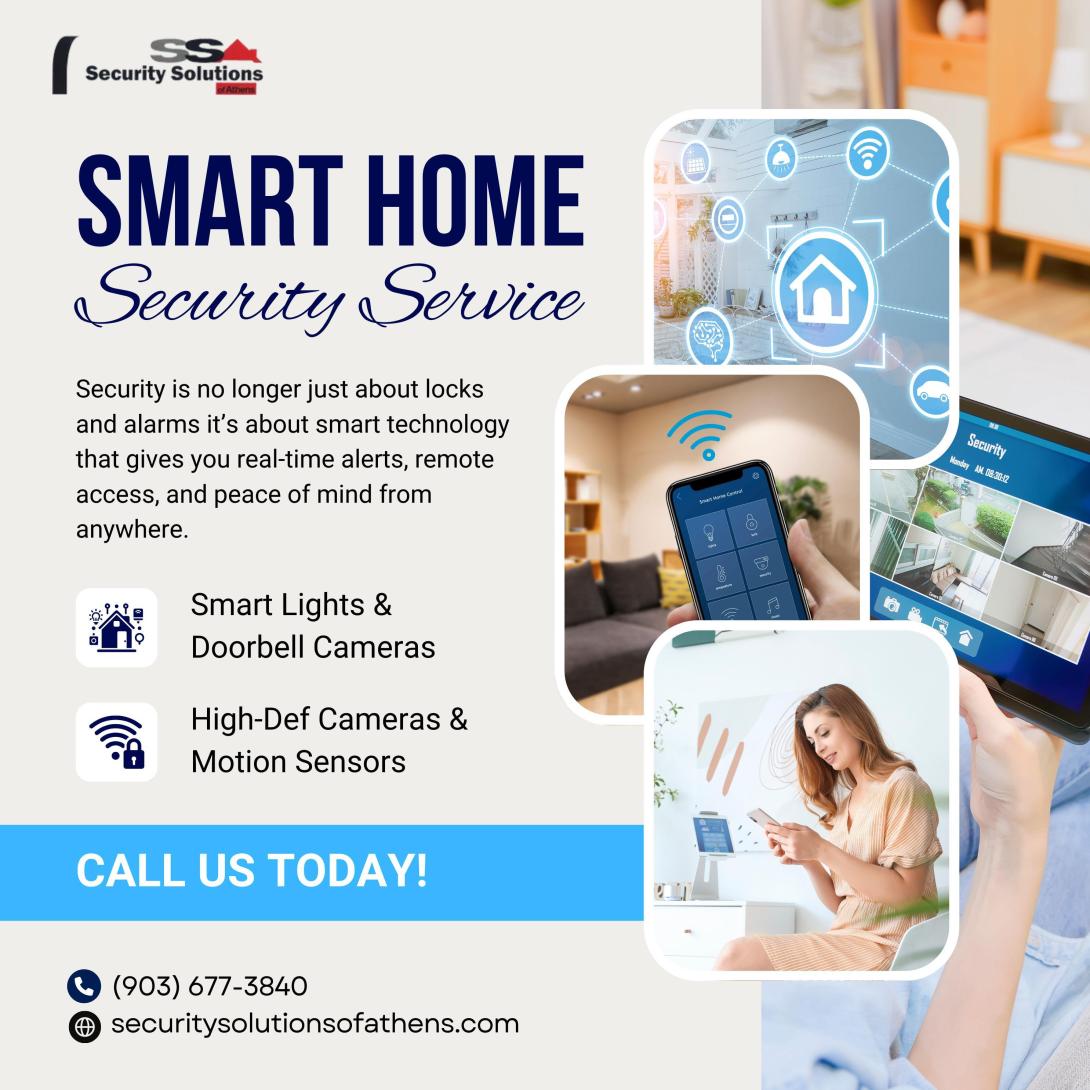
Home security is no longer a luxury—it’s a necessity. With the rise in property-related crimes and the growing need to protect both assets and loved ones, investing in a reliable security setup is one of the smartest moves any homeowner can make. Among the first and most essential steps in this process is a well-planned alarm system installation.
Gone are the days when alarm systems were bulky, difficult to manage, and only accessible to large establishments. Today, thanks to rapid advancements in technology, modern systems are smarter, more efficient, and user-friendly—ideal for homes of all sizes and styles.
Why Alarm Systems Matter in Today’s World
Modern alarm systems serve a dual purpose: preventing unauthorized access and giving peace of mind. Whether you're at work, on vacation, or asleep in the next room, a well-installed system works as your round-the-clock guardian.
Aside from alerting you or the authorities in case of a break-in, most setups now integrate features like:
- Smoke and carbon monoxide detection
- Video surveillance with remote access
- Smart door and window sensors
- Real-time mobile notifications
- System automation and integration with voice assistants
These systems are no longer just alarms—they’re full-fledged security ecosystems that protect your property from more than just burglary.
Planning for Alarm System Installation: What You Should Know
Getting started with alarm system installation begins with a clear understanding of your property and needs. Here are some factors to consider before choosing the right setup:
1. Type of Property
Is it a single-story home, a multi-level property, or a commercial space? The size and structure of your property will influence the number and type of sensors, cameras, and control panels required.
2. Entry Points
Every possible entryway—doors, windows, basement access—should be considered. Some homeowners choose basic packages, while others opt for complete perimeter coverage.
3. Wired vs. Wireless
Wireless systems are becoming increasingly popular due to their easy installation, minimal drilling, and flexibility. However, wired systems are still preferred in some cases for their stability and lower risk of interference.
4. Customization and Scalability
Look for systems that allow you to add components later. You may not need external cameras now, but you might want them in the future.
5. Professional vs. DIY Installation
While DIY kits exist and appeal to tech-savvy users, professional installation ensures everything is set up correctly, positioned optimally, and connected securely. Plus, it often comes with post-installation support.
The Process of Installation: Step by Step
Understanding the general workflow can help you prepare your home in advance and make installation smooth:
- Site Evaluation – A technician (or yourself, if going DIY) assesses the layout, determines weak points, and creates a plan.
- Equipment Selection – Choose sensors, cameras, alarms, control panels, and automation tools based on the plan.
- System Placement – Devices are installed at strategic locations to maximize coverage and minimize blind spots.
- Connection and Testing – All devices are wired (or synced wirelessly), integrated with the central panel or hub, and tested for proper functioning.
- System Walkthrough – Learn how to use your system, including arming/disarming, monitoring via app, and troubleshooting basic issues.
Long-Term Benefits of Investing in the Right System
When done correctly, alarm system installation provides long-term value that goes beyond just theft prevention:
- Insurance Benefits: Many insurance companies offer discounts on homeowner’s policies for having a reliable system in place.
- Property Value Boost: A secure home is a strong selling point for future buyers.
- Energy Savings: Integration with smart thermostats, lights, and locks can help cut utility bills.
- 24/7 Peace of Mind: Whether you’re home or away, your property is being monitored.
Common Mistakes to Avoid
While installing a system may seem straightforward, these errors can affect its performance:
- Ignoring back doors or basement windows
- Skipping routine maintenance or battery checks
- Not changing default security codes
- Failing to test the system regularly
- Overlooking internet connectivity issues for cloud-based setups
Avoiding these pitfalls ensures your security system stays reliable and effective for years.
Evolving Technology in Home Security
Security systems today are not just about blaring alarms. With AI-based surveillance, facial recognition, geofencing, and integration with smart home devices, the future of home protection is already here. By installing a system now, homeowners position themselves to take advantage of ongoing updates and new features as they emerge.
Final Thoughts
An alarm system is like insurance—you hope you never have to use it, but you’ll be glad it’s there when you need it. Whether you're safeguarding a small apartment or a sprawling home, a proper alarm system installation ensures you're not leaving your security to chance. With careful planning, professional support, and the right technology, you can create a safe environment for your family and belongings, now and in the future.