

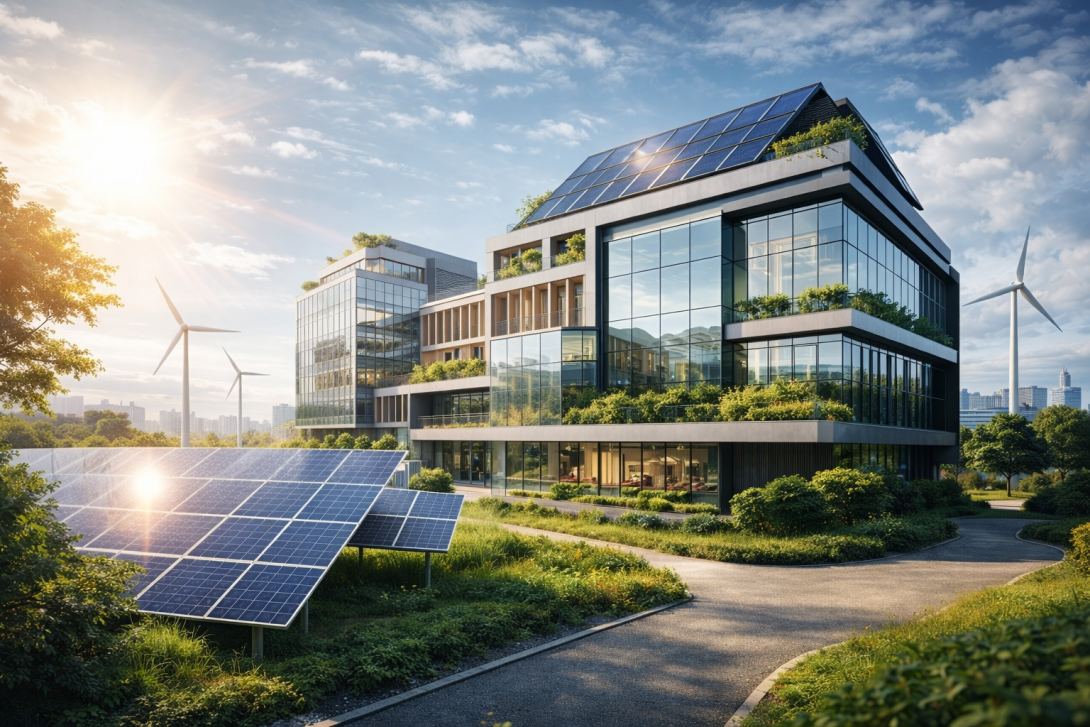
Energy efficiency is no longer just a trend in construction—it’s becoming an expectation. Across residential, commercial, and industrial projects, developers and building owners are prioritizing designs that reduce energy consumption, lower operating costs, and support long-term sustainability.
As construction methods evolve, digital planning tools play a major role in this shift. In particular, architectural BIM services are helping project teams visualize, analyze, and optimize building performance long before construction begins.
So why is energy-efficient design gaining so much attention, and how is modern construction adapting to meet this demand? Let’s take a closer look.
Why Energy Efficiency Matters More Than Ever
Modern buildings consume a significant portion of global energy. Heating, cooling, lighting, and ventilation systems account for a large share of operational costs throughout a building’s lifecycle.
Energy-efficient design focuses on reducing this consumption from the planning stage itself. When energy performance is considered early, buildings become:
- More cost-effective to operate
- Comfortable for occupants
- Better aligned with environmental regulations
This growing awareness is pushing construction professionals to rethink traditional design approaches and adopt smarter planning strategies.
The Shift Toward Sustainable Construction Practices
Sustainability is no longer limited to material choices. Instead, it now influences how buildings are oriented, insulated, ventilated, and powered.
Energy-efficient construction often includes:
- Optimized building orientation for natural light
- High-performance insulation and glazing
- Efficient HVAC and lighting systems
To coordinate these elements effectively, many firms rely on bim services to simulate energy usage and test design options digitally. This approach reduces guesswork and improves decision-making early in the project.
How BIM Supports Energy-Efficient Design
Building Information Modeling has become a powerful tool for designing energy-efficient buildings. Unlike traditional 2D drafting, BIM allows teams to work with intelligent models that contain both geometric and performance data.
With BIM, designers can:
- Analyze energy consumption during early design stages
- Compare multiple design scenarios quickly
- Identify inefficiencies before construction starts
This is where architectural BIM modeling services add real value, especially for complex projects that demand precise coordination between architectural, structural, and MEP systems.
Energy Analysis at the Design Stage
One of the biggest advantages of BIM-driven workflows is early energy analysis. Instead of evaluating performance after construction, teams can simulate real-world conditions during design.
These simulations help assess:
- Heat gain and heat loss
- Daylight availability
- HVAC performance
Using bim modeling services, project teams can refine designs until energy targets are met, reducing costly changes later in the project lifecycle.
Regulatory Pressure and Green Building Standards
Governments and regulatory bodies worldwide are introducing stricter energy codes and sustainability standards. Compliance is no longer optional—it’s a requirement.
Energy-efficient design helps meet:
- Local building energy codes
- Green certification standards
- Long-term sustainability goals
By adopting bim architectural modeling services, firms can ensure compliance is built into the design rather than addressed at the last minute.
Lower Operational Costs for Building Owners
From a client perspective, energy efficiency directly affects long-term costs. Buildings designed with energy performance in mind typically consume less power and require fewer upgrades over time.
Benefits for owners include:
- Reduced utility bills
- Lower maintenance expenses
- Increased property value
This financial advantage is one reason why demand for architectural BIM services continues to grow across modern construction projects.
Improved Collaboration Between Project Teams
Energy-efficient design requires close coordination between architects, engineers, and consultants. BIM platforms make this collaboration more effective by keeping everyone aligned.
With shared models, teams can:
- Identify design conflicts early
- Coordinate energy-related decisions efficiently
- Maintain consistent project data
This collaborative approach is a major reason firms investing in bim services are delivering better-performing buildings.
Technology Is Shaping Smarter Buildings
Smart technologies such as automated lighting, intelligent HVAC systems, and renewable energy integration are becoming more common in modern buildings.
Energy-efficient design now considers:
- Solar-ready layouts
- Smart control systems
- Future energy upgrades
By leveraging architectural BIM modeling services, designers can plan for these technologies seamlessly, ensuring buildings remain adaptable in the years ahead.
Why Energy-Efficient Buildings Are the Future
The construction industry is moving toward long-term value rather than short-term savings. Energy-efficient buildings support environmental responsibility while delivering economic benefits.
Final Thoughts
The growing demand for energy-efficient design is reshaping modern construction projects. From early planning to long-term building performance, energy considerations now influence every stage of development.
By adopting advanced architectural BIM services, construction professionals can design buildings that are efficient, compliant, and future-ready. As sustainability becomes the standard rather than the exception, energy-efficient design will continue to define the success of modern construction.