

Keeping children active in today's screen-heavy world can feel like a daily battle. Between tablets, gaming consoles, and television, sitting down has become the default activity for many kids. However, instilling healthy habits early in life sets the foundation for lifelong physical and mental well-being.
At CurioBoat, we believe that helping kids stay active shouldn't feel like a chore. Physical movement should be an adventure filled with discovery, play, and joy. When children associate exercise with fun rather than obligation, they develop natural, healthy routines that last a lifetime.
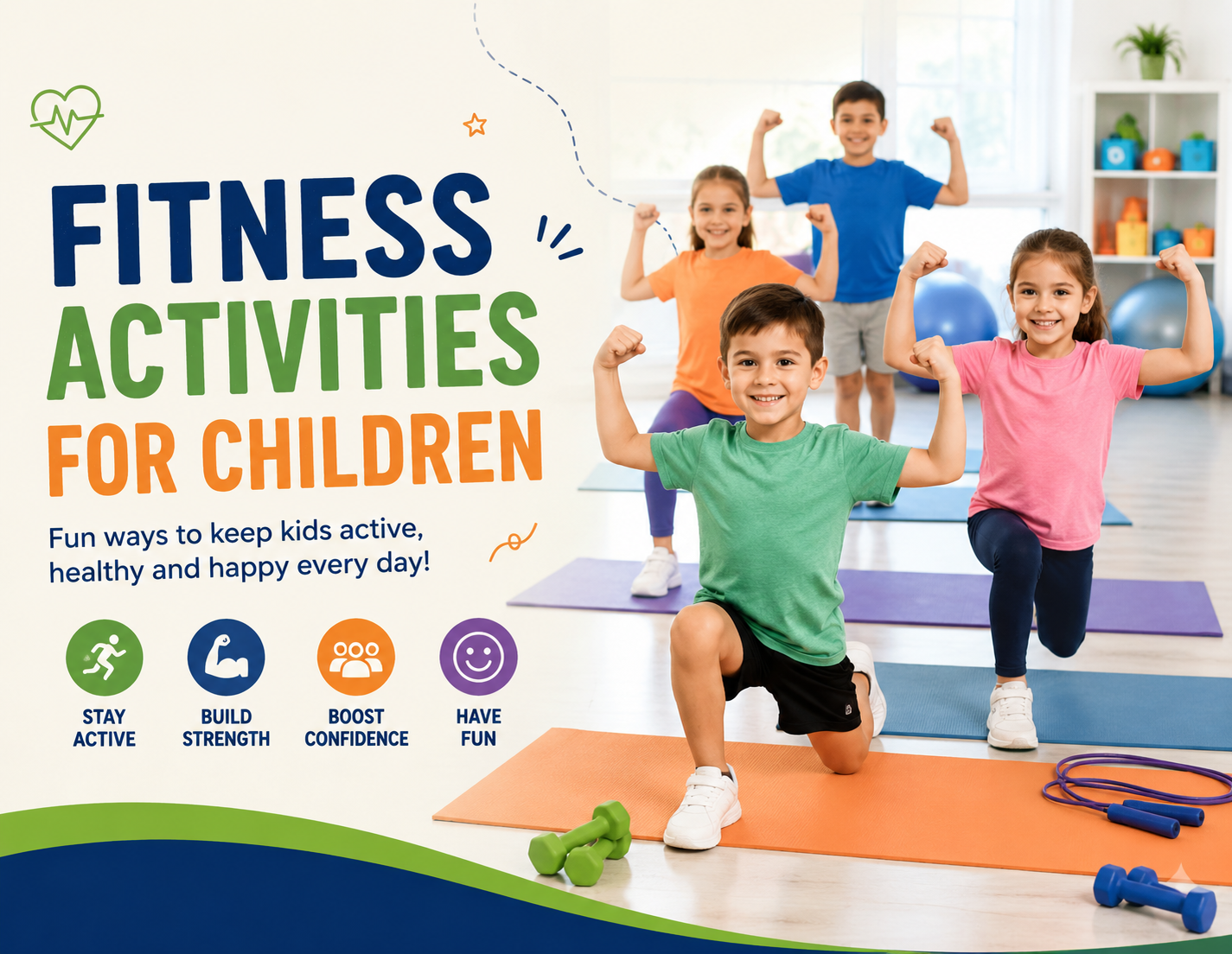
Whether you are looking to boost your child’s coordination, help them blow off extra energy, or simply spend quality family time together, here is everything you need to know about choosing and encouraging the best fitness activities for children.
Why Physical Activity Matters for Growing Kids
Before jumping into specific movement ideas, it helps to understand why daily movement is critical during childhood. Kids are naturally built to move, and physical play supports almost every aspect of their growth.
- Physical Development: Regular exercise builds strong bones, tones muscles, improves cardiovascular endurance, and aids in maintaining a healthy weight.
- Motor Skill Refinement: Activities involving running, jumping, catching, and balancing enhance coordination, posture, and body awareness.
- Mental and Emotional Well-being: Physical exertion releases endorphins—the body’s natural mood boosters. Active kids often experience lower anxiety, better self-esteem, and more stable sleep patterns.
- Cognitive and Academic Benefits: Exercise increases blood flow to the brain, which enhances concentration, problem-solving skills, and memory. Children who move regularly often focus better in the classroom.
- Social Connections: Group play and sports teach essential life skills such as communication, sharing, teamwork, and sportsmanship.
Dynamic Indoor Fitness Activities for Children
Rainy days, extreme weather, or small living spaces don't have to put physical activity on hold. Indoor movement can be just as energetic and engaging as playing outside.
Indoor Obstacle Courses
Transform your living room into an adventure zone using household items. Cushion steps, tape lines on the floor to balance on, chairs to crawl under, and pillows to jump over create an exciting path for kids. You can time their runs or challenge them to navigate the course carrying an item like a soft ball or beanbag.
Living Room Dance Parties
Music is one of the quickest ways to motivate children to move. Put together a playlist of their favorite upbeat songs and host a impromptu dance party. To add a twist, play "Freeze Dance"—stop the music periodically and challenge everyone to freeze in their current pose. This simple game builds balance, control, and listening skills.
Active Storytelling and Yoga
Younger kids thrive when imagination meets movement. You can guide them through a story where they act out different characters and actions. Ask them to stretch high like a giraffe, crouch low like a frog, or hold a strong tree pose like an ancient oak. Integrating basic yoga poses into imaginative stories develops flexibility, strength, and mindfulness without feeling rigid.
Balloon Volleyball
Air-filled balloons move slowly, making them perfect for younger children developing hand-eye coordination. Set up a soft boundary using a piece of string or tape across two chairs and challenge your children to keep the balloon off the floor. It promotes constant movement, jumping, and quick reaction times without risk of broken household items.
Exciting Outdoor Fitness Activities for Children
When the sun is shining, outdoor environments offer endless room for kids to run, climb, explore, and push their physical boundaries safely.
Classic Playground and Backyard Games
Sometimes the traditional games remain the best choices for physical health. Games like Tag, Hide and Seek, Red Light Green Light, and Duck Duck Goose involve quick bursts of running, abrupt stopping, and agility. These active playground classics keep heart rates elevated while keeping kids fully immersed in friendly play.
Nature Scavenger Hunts
Turn a routine walk through a park or neighborhood into an active treasure hunt. Give your kids a simple list of things to find—a smooth stone, a pinecone, three different colored leaves, or a specific bird. Walking briskly, crawling under branches, reaching up into bushes, and bending down to inspect nature turns a regular stroll into a full-body workout.
Cycling, Scootering, and Rollerblading
Riding a bike or scooter is a rite of passage for many children. These activities build immense leg strength, core balance, and endurance. Plan family bike rides on local paved trails or set up a small cone course in a safe driveway to practice turning, braking, and control.
Water Play and Swimming
Swimming is one of the most comprehensive low-impact exercises available. It builds resistance, cardiovascular strength, and lung capacity while staying gentle on developing joints. Even simple backyard water games—like running through sprinklers or playing sponge relay races—keep children cool and active during warmer months.
How to Choose the Right Activities Based on Age
Children develop at different rates, and what works for an eight-year-old might overwhelm a toddler. Tailoring physical options to your child's age group ensures they remain engaged rather than frustrated.
- Toddlers and Preschoolers (Ages 2–4): Focus on fundamental movement skills. Simple running, hopping on one foot, catching large soft balls, climbing low playground equipment, and basic rhythm games work best. Keep activities short, unorganized, and play-based.
- School-Age Children (Ages 5–8): At this stage, children are refining their coordination and hand-eye balance. Introduce structured play, beginner swim lessons, gymnastics, martial arts, or organized games like kickball and tag. Focus on learning movement rather than winning or strategy.
- Pre-Teens (Ages 9–12): Older kids can handle more complex rules and endurance challenges. Organized team sports, trail biking, swimming, climbing, and track events become appealing. Encourage them to try different sports and recreational pursuits to discover what they naturally enjoy.
Practical Tips for Keeping Kids Motivated
Motivating children to stay active requires a thoughtful, supportive approach. Here are a few ways parents and caregivers can cultivate a positive environment around physical movement:
- Be a Role Model: Children emulate what they see. If they observe parents prioritizing walks, workouts, or recreational sports, they will view physical activity as a normal, enjoyable part of daily life.
- Prioritize Fun Over Performance: Avoid placing heavy pressure on winning or technical perfection, especially early on. Focus on encouraging effort, enthusiasm, and personal improvement.
- Keep It Varied: Rotating through different types of active play prevents boredom. Mix outdoor exploration with indoor creative play, team games, and solitary sports.
- Invite Their Friends: Movement is naturally more appealing when shared. Organize active playdates, park meetups, or backyard games where friends can move together.
- Limit Screen Time Thoughtfully: Establish clear, reasonable boundaries around screens. Replacing just 30 to 60 minutes of sedentary screen time with open-ended play can dramatically increase your child's daily physical activity levels.
Building Lifelong Active Habits with CurioBoat
Physical well-being isn't about rigid workout schedules or intense training for young children—it is about nurturing curiosity, joy, and healthy habits. By introducing a variety of play-focused movement ideas early, you empower your children to build strong bodies, confident minds, and a genuine appreciation for active living.
At CurioBoat, we are dedicated to helping parents navigate childhood development with creative ideas, practical guidance, and practical insights. Encourage your kids to step outside, explore new ways to move, and transform exercise into a lifelong adventure!