

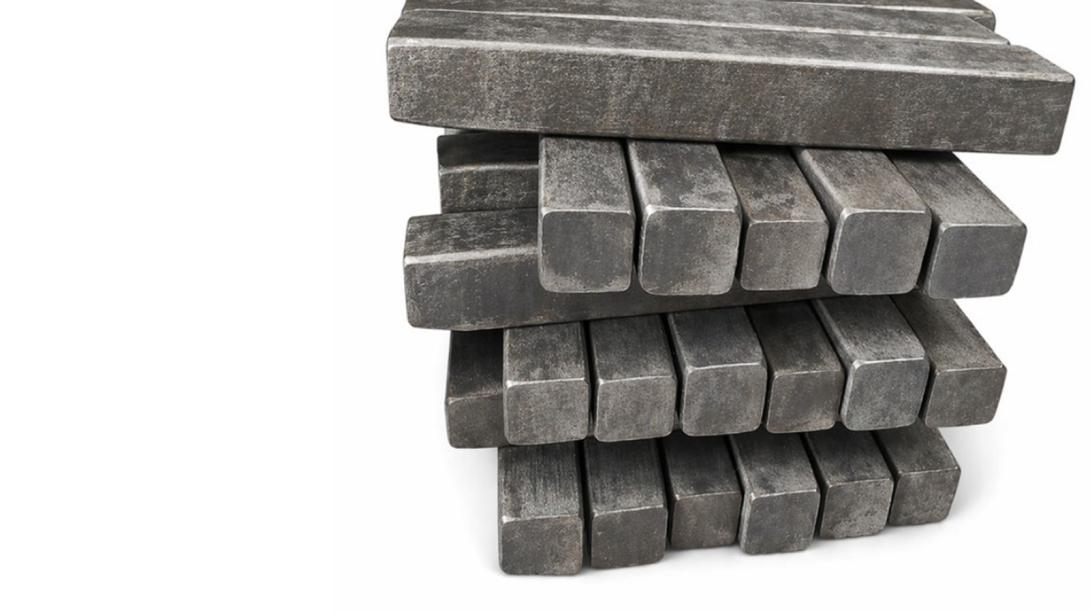
Maruti Inox is a stainless steel forging quality ingots manufacturer and supplier in Gujarat, India, producing semi-finished stainless steel ingots for forging, hot working and downstream steel processing applications.
Our forging quality ingots are manufactured at our facility in Mehsana, Gujarat, using controlled melting and bottom-pour ingot casting processes. The ingots are supplied in as-cast or spot-ground condition and can be produced in multiple stainless steel grades and specifications according to the requirements of the downstream application.
Forging quality ingots are used as starting material for open-die forging, closed-die forging, ring rolling, re-rolling and other hot-working operations where suitable material chemistry, internal soundness and traceability are important.
Every supply is supported by an official Maruti Inox Test Certificate, providing material information for quality verification and traceability.
Looking for stainless steel forging quality ingots in India? Share your required grade, dimensions, quantity and supply condition with Maruti Inox for availability and quotation.
What Are Forging Quality Ingots?
Forging quality ingots are semi-finished stainless steel products manufactured by casting molten steel into moulds for subsequent forging or other hot-working operations.
At Maruti Inox, forging quality ingots are produced through a controlled bottom-pour casting process. Molten stainless steel is introduced into the mould from the bottom and allowed to solidify into the required ingot form.
The resulting ingot acts as feedstock for downstream manufacturing processes in which the material is reheated and converted through forging, rolling or other hot-working operations.
The suitability of an ingot for a particular forging application depends on factors including:
- Stainless steel grade
- Chemical composition
- Ingot dimensions
- Required reduction ratio
- Forging process
- Finished component requirements
- Surface and internal quality requirements
- Testing and inspection requirements
How Are Stainless Steel Forging Quality Ingots Manufactured?
The manufacturing process begins with the selection of suitable stainless steel raw material.
Maruti Inox operates a vertically integrated stainless steel manufacturing facility in Mehsana, Gujarat, with processes covering raw material sourcing, melting and casting through downstream steel production.
The basic manufacturing route for forging quality ingots is:
1. Raw Material Selection
Stainless steel scrap is sourced through controlled and traceable channels. Material selection is carried out according to the required chemistry and grade.
2. Melting
Selected raw materials are melted in controlled electric melting furnaces. The molten steel is monitored to achieve the required chemical composition.
3. Chemistry Control
The molten steel is controlled according to the required stainless steel grade and customer specification.
4. Bottom-Pour Casting
The molten steel is transferred into ingot moulds through a bottom-pour casting arrangement, where it solidifies into the required ingot form.
5. Ingot Preparation
After solidification, the ingots are prepared for supply according to the specified condition and downstream application.
6. Surface Preparation
Where required, selected areas can be spot-ground to remove localized surface irregularities.
7. Inspection and Documentation
The material is checked according to the applicable quality and testing requirements, with a Maruti Inox Test Certificate supplied with the material.
Why Are Forging Quality Ingots Used for Forging?
Forging transforms semi-finished steel feedstock into components through controlled heating and plastic deformation.
A suitable forging ingot provides the starting material required for this conversion process. Depending on the grade, component and forging route, ingots may be used for producing larger or complex forged components where downstream deformation is an important part of the manufacturing process.
Typical factors considered when selecting forging quality ingots include:
- Material grade
- Ingot size
- Finished component dimensions
- Forging reduction
- Required mechanical properties
- Internal quality requirements
- Surface condition
- Heat treatment requirements
For this reason, forging ingot specifications should be selected according to the complete manufacturing route rather than only the final component dimensions.
Applications of Stainless Steel Forging Quality Ingots
Maruti Inox forging quality ingots are supplied as semi-finished feedstock for a range of downstream hot-working and manufacturing applications.
Open-Die Forging
Forging quality ingots can be used as starting material for open-die forging of larger or customized components where controlled deformation is required.
Closed-Die Forging
Suitable grades and ingot sizes can be used for closed-die forging applications where the material is formed into a defined component geometry.
Ring Rolling
Forging ingots can serve as starting material for manufacturing rings and other components through suitable forging and ring-rolling processes.
Re-Rolling
Depending on grade, dimensions and customer requirements, ingots can be used as semi-finished feedstock for subsequent rolling operations.
Flanges and Fittings
Stainless steel forging feedstock can be used in manufacturing routes for flanges, fittings and other pressure or mechanical components.
Shafts and Mechanical Components
Forging quality stainless steel ingots can be used for producing shafts and other engineered components where the downstream forging process is specified.
Industrial Equipment
Forged stainless steel components manufactured from suitable ingot feedstock are used across industrial equipment and engineered applications.
For finished forged round bars, visit our Forged Round Bars page.
Forging Quality Ingot Supply Conditions
Maruti Inox supplies stainless steel forging quality ingots in two principal surface conditions.
As-Cast Forging Quality Ingots
As-cast ingots are supplied directly after the casting process without additional surface grinding.
This condition can be suitable for downstream forging or hot-working operations where subsequent processing removes or modifies the original surface.
Material Test Certificate for Forging Quality Ingots
Every supply from Maruti Inox is accompanied by an official Maruti Inox Test Certificate.
The certificate provides material information required for customer quality verification and traceability.
Depending on the applicable specification and order requirements, documentation may include relevant information such as:
- Material grade
- Heat / batch identification
- Chemical composition
- Mechanical test results
- Applicable inspection information
- Product identification
Customers requiring specific inspection documentation should communicate those requirements during the quotation or order stage.
Why Choose Maruti Inox for Forging Quality Ingots?
Stainless Steel Manufacturing Experience
Maruti Inox has been manufacturing stainless steel products since 2006, with operations developed from scrap trading and melting into an integrated production facility.
Controlled Melting and Casting
Our manufacturing facility combines controlled melting with ingot casting, providing process control from raw material through semi-finished steel production.
Bottom-Pour Ingot Casting
Forging quality ingots are produced through a bottom-pour casting process designed for suitable downstream forging and hot-working applications.
Pretested Stainless Steel
Maruti Inox works with selected stainless steel raw materials and maintains material control throughout production.
12+ Testing Facilities
Our in-house testing infrastructure covers chemical, mechanical, metallurgical, NDT and surface-related testing.
Material Traceability
An official Maruti Inox Test Certificate is supplied with every order to support material verification and traceability.
ISO 9001:2015 Certified Quality System
Maruti Inox operates under a TÜV SÜD ISO 9001:2015 certified quality management system.
Stainless Steel Grades Available for Forging Ingots
Maruti Inox manufactures stainless steel products across multiple material grades.
The appropriate grade for a forging application depends on the required:
- Chemical composition
- Corrosion resistance
- Strength
- Toughness
- Hardness
- Forging temperature range
- Heat treatment
- Finished component requirements
Grade availability for forging quality ingots should be confirmed with our sales team before ordering.
When requesting a quotation, provide the exact grade or applicable material specification wherever possible.
How to Select the Right Forging Quality Ingot
Selecting the correct ingot starts with understanding the downstream manufacturing process.
Before placing an order, consider:
1. Finished Component
What component will be manufactured from the ingot?
2. Forging Process
Will the material undergo open-die forging, closed-die forging, ring rolling or another hot-working operation?
3. Material Grade
Specify the required stainless steel grade and applicable standard.
4. Starting Dimensions
Provide the required ingot size and length based on the planned forging reduction and finished component.
5. Surface Condition
Specify whether as-cast or spot-ground material is required.
6. Testing Requirements
Communicate any additional inspection, testing or documentation requirements before production.
Providing these details allows Maruti Inox to assess the appropriate material and supply configuration for the intended application.
Frequently Asked Questions
What is a forging quality ingot?
A forging quality ingot is a semi-finished steel product cast into an individual mould and intended for subsequent forging or other hot-working operations. Stainless steel forging ingots are selected according to the material grade, dimensions and requirements of the finished component.
What is the difference between a forging ingot and a billet?
A forging quality ingot is individually cast in a mould, while a continuous cast billet is produced through a continuous casting process and subsequently cut to length. The suitable product depends on the downstream manufacturing route.