

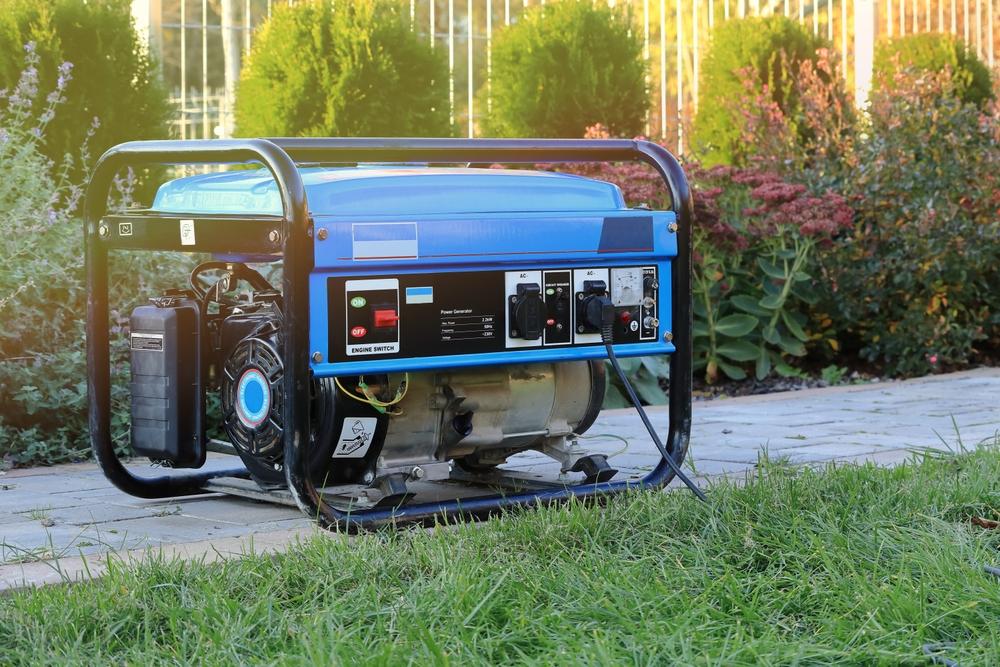
Looking for steady power on the island? Grab the right Generators for sale That fit your workload, climate and budget. I’ll break downsizing, standards, hybrid options, financing and the nitty‑gritty of setting a unit up on a coastal property or a remote farm. You’ll see a checklist, real‑world case studies from Hobart and Launceston, plus tricks to dodge hidden costs. And by the time you finish, you’ll know exactly which model to ask your dealer for and how to keep it humming for years.
Why Generators for Sale Matter for Tasmanian Businesses
Power cuts aren’t just a hassle; they can stop a fruit‑packing line or kill a north‑coast tourism event. I’ve seen most locals lean on diesel or inverter‑type units, they take the hit when a fridge kicks on. And a smart generator can keep a boutique hotel humming through a winter storm, while a construction crew’s tools stay safe on a windy site. So, when the lights flicker, you know what you need.
- Reduced downtime translates to higher revenue.
- Compliance with avoids costly penalties.
- Clean power from inverter generators protects sensitive POS systems.
And a lot of firms snap up the cheapest unit they can find, only to learn it can’t handle the load, and it keeps the neighbours up at night. So we stick with generators for sale that meet performance goals and stay quiet.
Choosing the Right Size and Type of Generators for Sale
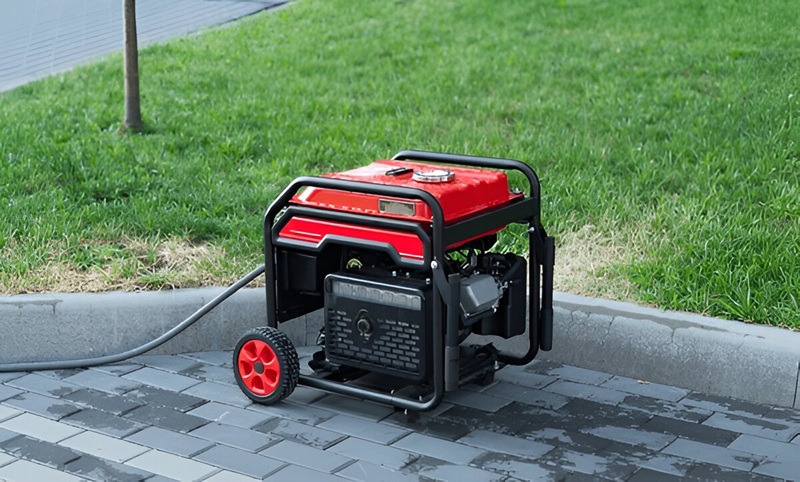
Start with a quick worksheet: jot down each appliance, write its running watts, then tack on the surge for motor‑start gear like compressors, a process that applies to any generators for sale you consider. A tiny café? About 5 kW running, 7 kW surge. A mid‑size timber mill? Roughly 30 kW continuous. And many owners skip the power‑factor for inductive loads, adds almost 20 % extra demand. Did you remember that, for sure?
- Portable gasoline units, 2‑5 kW, easy to move. Good for occasional use.
- Diesel standby units: 10‑50 kW, built for operation. Need power all day?
- Inverter generators, 3‑10 kW, low noise, clean sine wave. So your gear stays safe.
- Hybrid solar‑helped units, 5‑15 kW, run on battery at peaks. And they love sun.
A 10 kW diesel generator with automatic start and AVR will outlast a cheap gasoline unit on a remote vineyard. But if you need three‑phase power for a metal‑fabrication shop, hunt for a model clearly marked “3‑phase” in the spec sheet. Sounds good?
Navigating Australian Standards and Certifications for Generators for Sale
Every generator sold in Tasmania has to meet ‑2‑24 safety rules and the electrical‑installation code. And the label must carry the compliance mark plus a Type‑tested rating. In my experience, dealers who skip the paperwork often sell imported units without proper earthing, a fire risk in a storm. Did you check yours?
- Check for a Certificate of Conformity (CoC).
- Secure the unit has a built‑in AVR (Automatic Voltage Regulator).
- Verify the fuel‑type certification, diesel engines need a low‑emission rating.
Usually a company grabs a unit that looks perfect on paper, then the local inspector says no because it wasn’t tested for Aussie humidity and salty sea air. And I always tell them to buy from a dealer with the full compliance dossier. Got it?
Climate and Site Considerations for Generators for Sale in Tasmania
Tasmania’s weather swings wildly, coastal towns get salty breezes, the Highlands dump snow and hit sub‑zero at night. But a generator left out in the salt will eat away its connectors in months unless it’s stainless‑steel or coated right. So, from what I’ve seen, a marine‑grade box makes all the difference on a Devonport wharf. Ever thought about that?
- Pick a unit that’s IP‑rated ≥ IP‑55, so dust and splashes won’t get in.
- And if you live in a place like Bellerive, a sound‑proof canopy can save the neighbors.
- Make sure the spot is ventilated; you’ll need at least a metre of clearance all around.
The thing is, a 12 kW diesel generator with a weather‑proof housing will keep a dairy farm running through a hailstorm, whereas a standard model might seize up from moisture in the fuel tank.
Financing, Incentives and Total Cost of Ownership for Generators for Sale
Most Tasmanian firms can grab the state‑wide renewable‑energy rebates that chip away at hybrid or battery‑helped generator costs of generators for sale. And in 2026 the government rolled out a 15 % bonus for units hitting the new low‑emission tier. I’ve watched owners pocket thousands by choosing a diesel‑electric hybrid that runs on solar by day and flips to diesel after dark.
- Calculate fuel consumption per kilowatt‑hour; a 10 kW diesel unit typically uses 0.3 L/kWh.
- Factor in maintenance intervals, major service every 500 hours.
- Check warranty length; many brands offer five‑year coverage on the engine.
Turns out the sticker price is just a slice of what you’ll actually spend. But fuel costs out in the bush can jump 30 % in a year, and a hybrid with a battery buffer helps flatten those spikes. Ever wonder how much you could save?
Installation, Maintenance and Ongoing Support for Generators for Sale
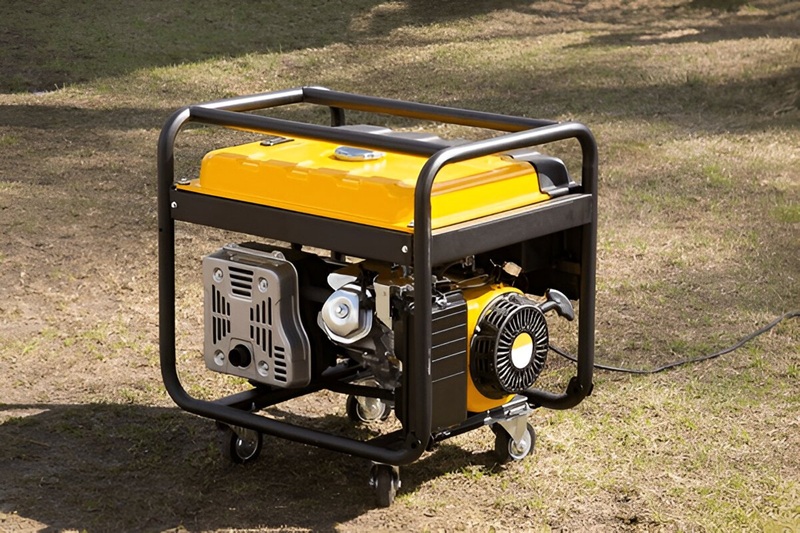
Installing a generator in Tasmania isn’t a DIY job unless you’re a qualified electrician. You’ll need a council permit first, especially if you’re close to a protected shoreline. And then the grounding: drive an earth rod at least 2 m deep; that’s required by law before you hook up the power.
- Secure a dedicated circuit with a double‑pole breaker.
- Use a fuel‑tank that meets Australian Standard AS 2026 for storage.
- Schedule quarterly checks: oil change, filter replace, battery test.
Most businesses skip the pro install to save a few bucks, then the generator trips a breaker during a heavy‑load spike and everything shuts down. And a local dealer’s routine check can spot a worn spark plug before it misfires, saving you a costly repair later.
Hybrid and Smart Features Among Generators for Sale
Hybrid units pair a tiny diesel engine with a lithium‑ion battery and a solar‑charging controller. And the battery covers the first ten minutes of a surge, sparing the engine. Smart generators now come with IoT modules that ping fuel‑level alerts to your phone and even forecast maintenance from runtime data. Does that sound like what you need?
- Load‑sharing mode runs the diesel at just 30 % while the battery jumps in to fill the gap.
- And you can start it remotely via Bluetooth or GSM, no need to walk out.
- Noise‑reduction panels? They slash the roar to ~55 dB(A) at 7 m, quiet enough for night rules.
The thing is, a hybrid can cut fuel use by 40 % on a typical retail outlet in Hobart. And the data logs help you claim the right incentives during the annual audit.
Case Studies: Real‑World Applications of Generators for Sale in Tasmania
A mining site near Queenstown fitted three 50 kW diesel generators that can be watched remotely. That cut unexpected downtime by 70 % and shaved about 150 kWh of fuel each month thanks to load‑balancing. Meanwhile, a seaside wedding venue in St Helens runs a 7-kW inverter generator inside a sound‑proof box, keeping guests comfy and the noise stays legal. Want to see how it works?
- And remote telecommunication tower up in the Central Highlands? It’s got a 5 kW solar‑helped generator and a 10-kWh battery.
- So large event festival in Launceston? A 30 kW standby diesel kicks in automatically, synced to the main grid.
- But off‑grid farm out in the Huon Valley runs a hybrid 12 kW unit that powers milking machines and irrigation pumps.
After a smooth install you’ll see reliability jump and the company’s reputation tighten. And owners say they finally sleep easy during those soggy winter evenings when the grid flickers. You’ll notice fewer outages, lower maintenance costs, and smoother operations overall.
Buyer’s Checklist for Generators for Sale in Tasmania
Before you sign any contract, run through this printable checklist. It covers everything from fuel type to noise compliance and will save you a trip back to the dealer later.
- Confirm 60335‑2‑24 compliance.
- Match kW rating to your load, then add 25 % safety margin.
- Choose fuel by checking storage capacity and local prices.
- Check noise at 7 m; aim ≤60 dB(A) in residential zones.
- And need remote control? Look for hybrid or IoT features.
- Warranty should cover the engine for at least five years.
- Plan a pro install with proper earthing and permits.
From what I’ve seen, ticking off each item before purchase cuts the risk of surprise costs and secures the generator will serve you for a decade or more.
Conclusion
Choosing the right generators for sale in Tasmania isn’t a one‑size‑fits‑all decision. You need to match power, climate, standards, and total cost. The sizing guide helps with compliance checks, and hybrid or smart picks keep outages, especially when you have the right generators for sale selected. Did you know state incentives can slash the price? And a qualified installer plus regular upkeep keeps you on the right side of the law. So, when a Tasmanian storm hits, your operation runs smooth and avoids costly downtime.