
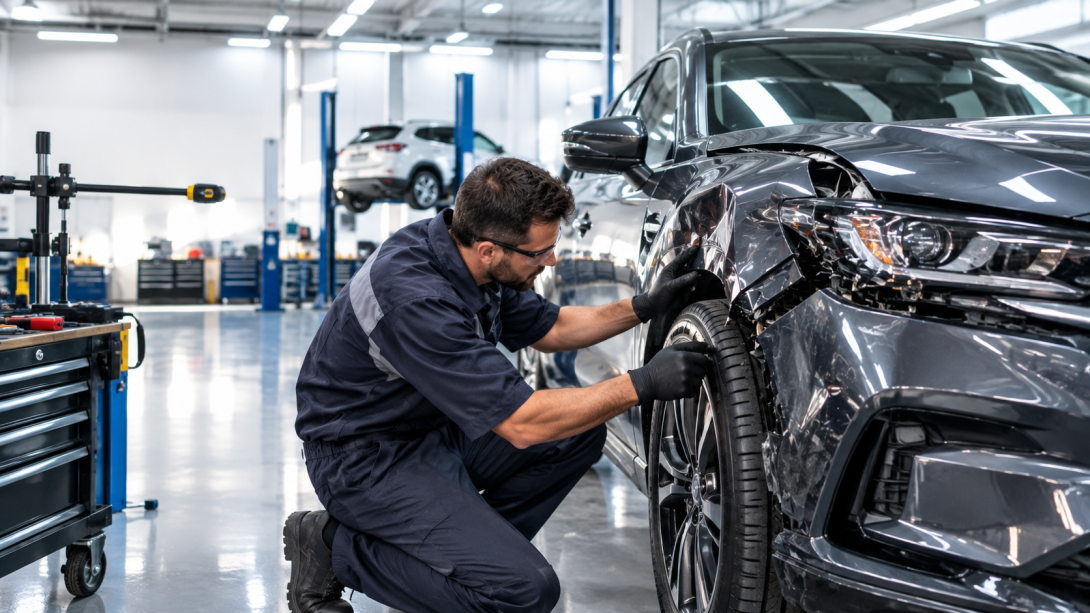
Crash repair services play an important role in restoring vehicles after accidents, whether the damage involves a small dent, scratched paint, damaged bumper, broken body panels or more extensive collision damage. Even when a vehicle appears driveable after an accident, some damage may not be immediately visible. A professional inspection can help identify affected areas and determine the appropriate repair process. From exterior restoration and dent repair to paint refinishing and structural work, experienced technicians can address different types of collision damage while working toward a safe, properly restored vehicle.
Collision Damage Explained
Vehicle accidents can affect multiple areas at the same time. A minor impact may leave a dent or scratch, while a stronger collision can damage bumpers, doors, fenders, lights, glass, suspension components or structural areas. The visible damage does not always represent the full extent of the problem. This is why a detailed inspection is an important part of the repair process. Technicians can examine the vehicle carefully and identify areas that need repair, replacement, alignment or further evaluation before work begins.
Professional Damage Assessment
A thorough damage assessment helps create an appropriate repair plan. Technicians may inspect body panels, paint surfaces, bumpers, lights, frame-related areas and other components affected by the collision. Photographs and measurements may also be used to document the condition of the vehicle. Once the damage has been evaluated, the repair facility can explain the recommended work and provide an estimate when applicable. A clear assessment gives vehicle owners a better understanding of what happened and what needs to be addressed.
Dent and Body Panel Repair
Dents are common after vehicle collisions and can range from shallow impressions to significant panel deformation. Depending on the damage, technicians may be able to repair the existing panel or determine that replacement is necessary. Proper body repair involves restoring the shape and alignment of the panel while ensuring that surrounding components fit correctly. Small dents may sometimes qualify for specialized repair techniques, while larger or more complex damage can require conventional bodywork and refinishing.
Bumper and Exterior Repairs
Bumpers frequently absorb impact during a collision and may develop cracks, scratches, dents, or broken mounting points. Other exterior parts, such as fenders, doors, grilles, mirrors and trim pieces, can also be damaged. Professional repair involves evaluating whether each component can be restored or should be replaced. Correct installation and alignment are important because improperly fitted exterior parts can affect the appearance of the vehicle and may create additional problems.
Paint and Refinishing Services
Collision damage often affects the vehicle's paint finish. Scratches, scuffs, exposed surfaces, and repaired body panels may require refinishing to restore the vehicle's appearance. Professional paint repair involves preparing the damaged surface, completing necessary bodywork, applying appropriate coatings and matching the repaired area with the existing finish. Proper preparation is particularly important because imperfections beneath the paint can remain visible after refinishing. Quality workmanship helps create a smoother and more consistent finished appearance.
Frame and Structural Repairs
More serious accidents can affect areas beneath the vehicle's exterior panels. Structural or frame-related damage requires careful inspection and appropriate repair procedures. Even if the vehicle's exterior appears relatively normal, an impact can potentially affect alignment or structural components. Specialized equipment and accurate measurements may be necessary when structural repair is required. Vehicle owners should have significant collision damage evaluated by qualified professionals before assuming that the vehicle has been fully restored.
Insurance and Collision Repairs
Insurance claims are often part of the collision repair process. Vehicle owners may need to document the accident, obtain estimates, communicate with their insurer and provide information about the damage. A professional repair facility can help organize repair documentation and explain the recommended work. Vehicle owners should also review their own insurance requirements and understand what their policy covers. Clear communication between the owner, repair facility, and insurer can help reduce confusion throughout the repair process.
Why Prompt Repairs Matter
Leaving collision damage untreated can create additional concerns. Damaged paint may deteriorate over time, while misaligned panels or unresolved mechanical issues can affect the vehicle's condition. Some problems may also become more difficult or expensive to address if they are ignored. Having the vehicle inspected after an accident allows potential concerns to be identified earlier. Even when the damage appears cosmetic, a professional assessment can help determine whether additional areas should be checked.
Choosing a Crash Repair Facility
Selecting an experienced repair facility can make the restoration process easier. Vehicle owners should consider the facility's experience with collision damage, body repair capabilities, paint and refinishing services, equipment, communication practices and ability to explain the repair process. It is helpful to ask questions about the estimated work, replacement parts, repair timeline, and how unexpected damage will be handled. A professional repair provider should communicate clearly and give the vehicle owner a reasonable understanding of the work being performed.
Alternative: Complete Vehicle Restoration
Not every collision requires the same repair strategy. Some vehicles may need only a small dent or paint repair, while others require a combination of bodywork, refinishing, glass replacement, structural repair and mechanical attention. A complete vehicle assessment can help identify all relevant damage rather than focusing only on the most obvious problem. This approach can be especially useful after significant accidents where several parts of the vehicle may have been affected.
Choose Professional Crash Repair Services
Choosing dependable crash repair services can help vehicle owners move forward after an accident with a clearer understanding of the repair process. From dent and bumper repair to paint restoration, body panel work and more extensive collision repairs, professional attention can address different forms of accident damage. Becker Body Shop is a Central Pennsylvania automotive body shop that can be considered for vehicle repair needs. A careful inspection, detailed repair plan and experienced workmanship can help restore both the appearance and condition of a collision-damaged vehicle.
Frequently Asked Questions
What are crash repair services?
Crash repair services involve inspecting and repairing vehicles damaged in accidents, including body, bumper, dent, paint, glass and structural repairs.
Can hidden damage occur after a car accident?
Yes. Some collision damage may not be immediately visible, which is why a professional inspection can be important after an accident.
Can a damaged bumper be repaired?
Depending on the severity and type of damage, a bumper may sometimes be repaired or may need to be replaced.
Does crash repair include paint restoration?
Yes. Collision repairs can include surface preparation, paint matching, refinishing and restoring damaged paintwork.
Should minor crash damage be inspected?
Yes. Even seemingly minor damage can sometimes affect areas that are not immediately visible, so an inspection can help identify potential concerns.
How long does crash repair take?
The timeframe depends on the extent of damage, required parts, repair procedures and refinishing work. A repair facility can provide a more specific estimate after inspecting the vehicle.