
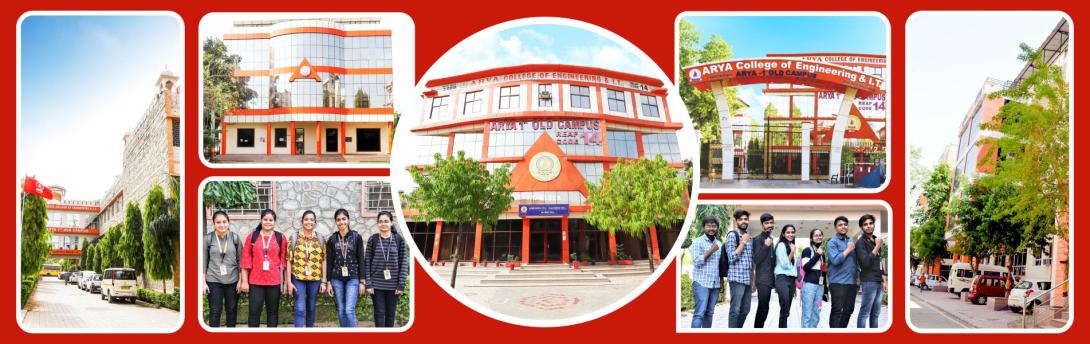
Engineering colleges often deliver a broad foundation in theory and general skills but fall short on hands-on, industry-ready engineering practice, leaving graduates to fill the gaps themselves. This mismatch fuels the popular sentiment that they teach "everything except engineering." For students like you in Jaipur pursuing B.Tech and GATE 2026 prep, recognizing these limitations early allows proactive bridging through projects and self-study.
Theoretical Over Practical Focus
Curricula emphasize derivations, formulas, and exams over real-world application, such as designing scalable systems or troubleshooting live failures. Labs use outdated equipment, simulating ideal conditions rather than the messy realities of manufacturing tolerances or supply chain issues. Professors, often PhD-focused, prioritize research papers over industry case studies, resulting in rote learning that rarely translates to tools like MATLAB for optimization or AutoCAD for prototyping.
Soft Skills and Campus Life Emphasis
Colleges excel at building discipline via packed schedules—attend lectures, submit assignments, juggle fests and sports—which mirrors corporate deadlines but not engineering workflows. Group projects teach negotiation and delegation, turning you into a jack-of-all-trades for roles in consulting or sales rather than pure design engineering. Extracurriculars foster networking and resume padding, vital for placements at firms like TCS or Infosys, where 70% of hires pivot to coding or support instead of core engineering.
Industry-Relevant Gaps Exposed
Modern engineering demands proficiency in AI integration, IoT protocols, or cloud deployment—topics barely touched in standard syllabi at colleges like Arya College of Engineering & I.T. Graduates enter jobs doing repetitive tasks: debugging code snippets, running simulations, or data entry, not innovating like at SpaceX or Tesla. Cybersecurity, sustainable design, and agile methodologies remain self-taught, explaining why GATE toppers pursue M.Tech to specialize while others upskill via Udemy or YouTube.
Comparison of College vs. Industry Needs
Engineering colleges often deliver a broad foundation in theory and general skills but fall short on hands-on, industry-ready engineering practice, leaving graduates to fill the gaps themselves. This mismatch fuels the popular sentiment that they teach "everything except engineering." For students like you in Jaipur pursuing B.Tech and GATE 2026 prep, recognizing these limitations early allows proactive bridging through projects and self-study.
Theoretical Over Practical Focus
Curricula emphasize derivations, formulas, and exams over real-world application, such as designing scalable systems or troubleshooting live failures. Labs use outdated equipment, simulating ideal conditions rather than the messy realities of manufacturing tolerances or supply chain issues. Professors, often PhD-focused, prioritize research papers over industry case studies, resulting in rote learning that rarely translates to tools like MATLAB for optimization or AutoCAD for prototyping.
Soft Skills and Campus Life Emphasis
Colleges excel at building discipline via packed schedules—attend lectures, submit assignments, juggle fests and sports—which mirrors corporate deadlines but not engineering workflows. Group projects teach negotiation and delegation, turning you into a jack-of-all-trades for roles in consulting or sales rather than pure design engineering. Extracurriculars foster networking and resume padding, vital for placements at firms like TCS or Infosys, where 70% of hires pivot to coding or support instead of core engineering.
Industry-Relevant Gaps Exposed
Modern engineering demands proficiency in AI integration, IoT protocols, or cloud deployment—topics barely touched in standard syllabi at colleges like Arya College of Engineering & I.T. Graduates enter jobs doing repetitive tasks: debugging code snippets, running simulations, or data entry, not innovating like at SpaceX or Tesla. Cybersecurity, sustainable design, and agile methodologies remain self-taught, explaining why GATE toppers pursue M.Tech to specialize while others upskill via Udemy or YouTube.
Comparison of College vs. Industry Needs
- Aspect : Problem-Solving
College Teaching : Textbook problems, closed-ended
Industry Reality : Open-ended, multi-disciplinary failures
- Aspect : Tools & Software
College Teaching : Basic like C++, Excel
Industry Reality : Advanced: ANSYS, AWS, Git workflows
- Aspect : Team Dynamics
College Teaching : Assigned groups, short-term
Industry Reality : Cross-functional, long-term projects
- Aspect : Innovation
College Teaching : Rarely encouraged
Industry Reality : Patents, prototypes expected
- Aspect : Time Management
College Teaching : Exam cramming
Industry Reality : Iterative sprints, 24/7 on-call Actionable Steps for GATE Aspirants
Start personal projects now: build an IoT sensor network or AI model for predictive maintenance using free tools like Arduino and Python—these showcase skills beyond theory. Dedicate weekends to MOOCs on Coursera for cloud computing or robotics, aligning with your interests in automation. Network via LinkedIn with alumni in core firms; internships at PSUs like BHEL provide the practical edge college skips. Track progress with a portfolio on GitHub, targeting GATE's technical depth while preparing for PSUs that value application over theory.
Actionable Steps for GATE Aspirants
Start personal projects now: build an IoT sensor network or AI model for predictive maintenance using free tools like Arduino and Python—these showcase skills beyond theory. Dedicate weekends to MOOCs on Coursera for cloud computing or robotics, aligning with your interests in automation. Network via LinkedIn with alumni in core firms; internships at PSUs like BHEL provide the practical edge college skips. Track progress with a portfolio on GitHub, targeting GATE's technical depth while preparing for PSUs that value application over theory.
Source: Click here