
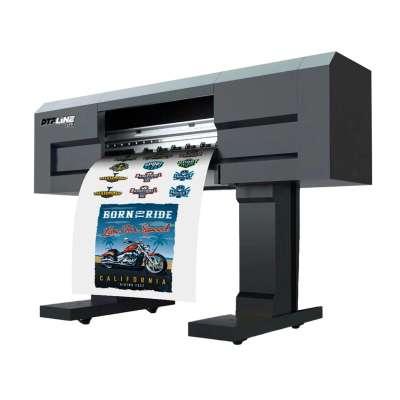
The world of custom printing is evolving, and Direct-to-Film (DTF) printing has emerged as one of the most exciting technologies for producing vibrant, durable prints. Initially embraced by small businesses and hobbyists, DTF printers have quickly gained popularity in high-volume production environments due to their efficiency, versatility, and ability to produce top-tier results. But the question remains: Is investing in DTF printers for high-volume printing truly worth it? In this blog, we’ll dive into the factors that influence this decision and explore whether DTF printing is a smart investment for businesses focused on scaling up.
What Is DTF Printing?
Before we analyze the pros and cons of DTF printers in high-volume operations, let’s break down how DTF printing works. DTF (Direct-to-Film) printing involves printing a design onto a special transfer film, applying a layer of adhesive powder, and then transferring the design onto fabric using a heat press. Unlike traditional methods like screen printing, DTF printing doesn’t require pre-treatment on fabrics or large setup processes, which makes it highly attractive for small to medium-sized orders. It can also work on a variety of fabrics, from cotton and polyester to nylon and even leather.
Given its growing popularity, many businesses are now considering DTF printing for high-volume production. So, is it really worth the investment?
Advantages of DTF Printers for High-Volume Printing
1. Faster Production Times
One of the most significant advantages of DTF printers in high-volume settings is speed. Traditional printing methods like screen printing require multiple steps, including screen preparation, ink mixing, and setup, which can be time-consuming. DTF printers, on the other hand, allow for a streamlined workflow. Once your design is set up in the printer’s software, printing on transfer films can occur in a matter of minutes, and the adhesive powder application is automated. The speed of DTF printing allows you to produce large orders in a shorter amount of time, making it ideal for high-volume operations where efficiency is key.
2. Lower Setup and Labor Costs
Unlike screen printing, DTF printers have minimal setup costs. You don’t need to create individual screens or deal with complicated color separations. This not only saves on labor but also on material costs. DTF printing eliminates the need for expensive screens and setup fees, making it easier to take on smaller orders without sacrificing profitability. For high-volume printers, this means more revenue with fewer upfront costs, as you’re not restricted by the limitations of traditional setups.
Additionally, DTF printers often require fewer operators, reducing labor costs. As automation improves, more printers come equipped with user-friendly software and intuitive interfaces, allowing your team to manage multiple jobs simultaneously without extensive training.
3. Print Versatility
In a high-volume setting, versatility is a key factor, especially if you’re dealing with various fabric types and order requirements. DTF printers stand out because they can print on a wide range of materials, including cotton, polyester, blends, leather, and even hard surfaces like wood or ceramic. This makes DTF printers incredibly flexible in terms of the types of products you can offer.
When working in high-volume production, this versatility allows businesses to cater to diverse customer needs, whether it’s custom apparel, promotional items, or branded merchandise. The ability to handle multiple substrates without additional setup means more efficient use of resources, which is a huge advantage in a high-volume production environment.
4. Consistent Print Quality
One of the challenges of high-volume printing is maintaining consistent print quality across multiple orders. DTF printers excel in this area, producing high-quality, vibrant, and durable prints every time. Thanks to their precise inkjet technology, DTF printers can achieve fine details and smooth gradients without the inconsistencies often seen in screen printing. The prints are also long-lasting and resistant to fading, ensuring that each item meets the same high standards, which is essential when handling bulk orders.
Moreover, because DTF printing doesn’t rely on screens or stencils, you eliminate the risk of errors associated with misaligned screens or ink bleed, which can sometimes occur in large batches with traditional methods.
Considerations Before Investing in High-Volume DTF Printing
1. Initial Investment Cost
While DTF printers offer many benefits, the initial cost can be significant. High-quality DTF printers capable of handling large-scale production typically require a more substantial upfront investment. The price range can vary widely depending on the printer’s features, speed, print size, and ink capacity. For businesses already established in the custom printing industry, this upfront cost may be manageable, but new businesses may need to carefully assess their financial situation before making a purchase.
In addition to the printer itself, you’ll also need to invest in other equipment such as curing ovens, heat presses, transfer films, and ink. These add to the initial capital outlay but are essential for achieving the best results in high-volume production.
2. Maintenance and Supplies
Like any other type of printing equipment, DTF printers require regular maintenance to keep them running smoothly. From ink circulation systems to print heads, keeping the machine in optimal condition is vital for maintaining print quality and preventing downtime. High-volume operations may need to perform more frequent maintenance or invest in backup machines to ensure there’s minimal disruption to production.
Moreover, high-volume printing requires a steady supply of inks, powders, and films. These ongoing costs can add up over time, so it’s essential to account for them in your budgeting.
3. Training and Expertise
While DTF printing is relatively easy to learn, producing high-quality prints consistently in a high-volume environment requires skill. Your team may need specialized training to operate the printer efficiently, especially when managing multiple jobs at once. Ensuring that employees are trained to handle color management, maintenance, and troubleshooting will be crucial to maximizing the printer's potential and avoiding production errors.
Final Thoughts: Is It Worth the Investment?
For businesses looking to scale up, DTF printers can be a game-changer. They offer speed, versatility, and high-quality results—key factors that make high-volume printing more efficient and profitable. However, the initial investment, ongoing maintenance, and supply costs are important considerations that need to be carefully weighed.
If you’re ready to commit to growing your business and increasing production capacity, DTF printers offer excellent value. They provide the ability to handle larger orders, print on various materials, and produce consistent, vibrant prints—all while reducing labor and setup costs. For many businesses, DTF printing is not just worth the investment; it’s the future of high-volume, high-quality custom printing.