
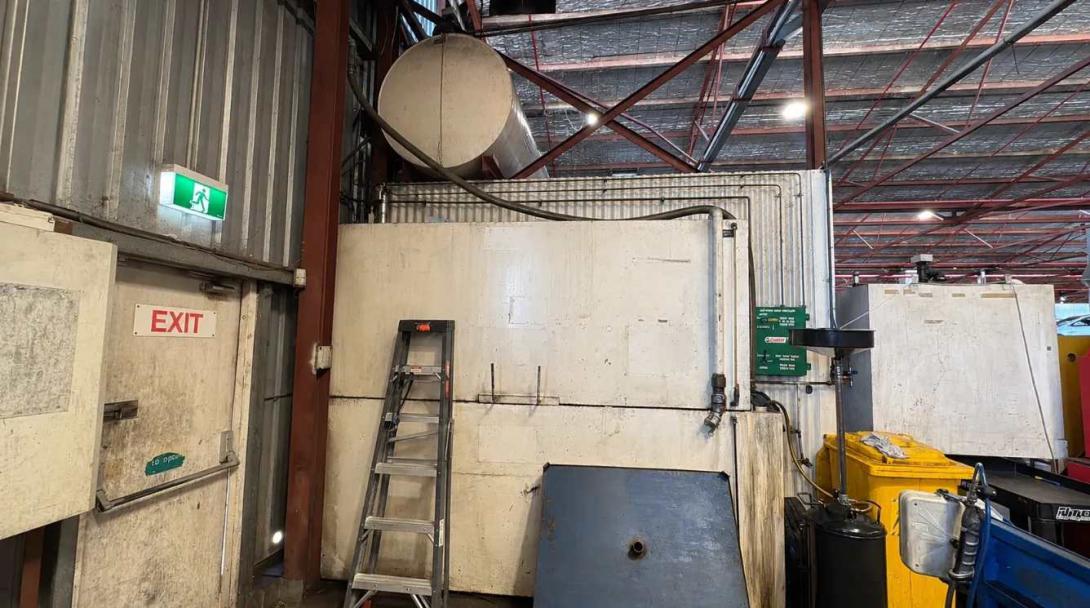
Managing lubricant storage across industrial sites, workshops, mining operations and remote facilities requires accurate information about tank levels and product availability. Bulk lubricant tank monitoring helps businesses track stored volumes, monitor usage and plan replenishment more effectively. With custom tank monitoring solutions, organisations can access remote level tracking, daily reports and connectivity options such as 4G or satellite communication. GAT provides tank monitoring technology designed to help businesses improve visibility over their stored liquids and make informed operational decisions.
What Is Bulk Lubricant Tank Monitoring?
Bulk lubricant tank monitoring involves using monitoring equipment to measure and report the level of lubricant stored in tanks. Instead of relying entirely on manual inspections, businesses can use connected monitoring systems to access tank information remotely.
This approach is particularly useful for organisations managing multiple storage locations or operating in areas where regular physical inspections are difficult.
Monitoring systems can help provide information about:
- Current lubricant levels
- Changes in stored volume
- Consumption patterns
- Potential low-level conditions
- Replenishment requirements
- Historical tank data
Having access to this information can help operational teams plan deliveries, manage inventory and reduce the uncertainty associated with manual tank checks.
Why Is Remote Tank Level Monitoring Important?
Lubricants are essential in many industrial environments. Machinery, vehicles and equipment often depend on consistent lubricant availability to operate as expected. Running low on stored lubricant can create operational challenges, particularly when replacement supplies are not immediately accessible.
Remote tank monitoring helps businesses maintain better visibility of their storage assets without requiring staff to visit every tank regularly.
Some important advantages include:
1. Better inventory visibility
Remote monitoring allows authorised users to check tank-level information from a central location. This can make it easier to understand how much lubricant remains across different sites.
2. Improved replenishment planning
Access to current level information can help teams identify when supplies may need replenishment. This supports more organised purchasing and delivery planning.
3. Reduced manual inspections
Connected sensors can reduce the need for frequent physical level checks, depending on the monitoring setup and operational requirements.
4. Usage insights
Historical reports can help businesses understand consumption trends and identify changes in lubricant usage.
5. Support for remote operations
Monitoring systems with suitable communication options can provide visibility into tanks located away from offices or main facilities.
The Role of Custom Tank Monitoring Solutions
Every industrial operation has different storage requirements. Tank dimensions, liquid types, operating conditions, installation environments and reporting needs can vary considerably.
For this reason, custom tank monitoring solutions can be valuable when standard equipment does not meet a site's specific requirements.
A suitable monitoring setup may consider:
- Tank size and configuration
- Type of lubricant being stored
- Required measurement method
- Sensor installation conditions
- Communication coverage
- Reporting frequency
- Number of tanks and monitoring locations
For example, a business with several lubricant tanks across different facilities may require a centralised monitoring arrangement. Another operation with isolated storage locations may need a communication option suited to areas with limited mobile coverage.
The monitoring equipment should be selected according to the actual tank and site conditions to support dependable data collection.
Understanding 4G and Satellite Connectivity
Communication is an important part of remote tank monitoring. Sensors collect tank-level information, but that information must also be transmitted to a system where authorised users can access it.
GAT monitoring solutions can support connectivity options such as 4G and satellite communication, depending on the system configuration.
4G Connectivity
4G communication can be suitable for sites with reliable cellular network coverage. It allows monitoring devices to transmit information through mobile networks, supporting remote access to tank data and reports.
Satellite Connectivity
Satellite communication can be useful for remote locations where conventional mobile coverage is limited or unavailable. It provides another way to transmit monitoring information from isolated industrial and operational sites.
The best option depends on location, coverage, data requirements and the monitoring equipment being installed.
How Daily Tank Monitoring Reports Help Businesses
Regular reporting can make tank monitoring information easier to understand and use. Rather than checking individual sensors throughout the day, operational teams can review consolidated information according to their reporting requirements.
Daily reports may help businesses:
- Review current tank levels.
- Identify changes in stored lubricant volumes.
- Monitor usage over time.
- Plan upcoming deliveries.
- Compare information across multiple storage locations.
- Maintain records for operational planning.
The availability and detail of reports depend on the monitoring system and its configuration. Businesses should confirm reporting features before selecting a solution.
Industries That Benefit from Bulk Lubricant Monitoring
Bulk lubricant monitoring can support a wide range of industries where stored lubricants are important for equipment maintenance and daily operations.
Mining: Remote monitoring can help teams maintain visibility over lubricant supplies at mining sites where storage locations may be spread across large areas.
Manufacturing: Production facilities can monitor stored lubricants used for machinery and maintenance activities.
Transport and logistics: Fleet operators and transport facilities can improve visibility over lubricant inventory used for vehicle and equipment maintenance.
Agriculture: Agricultural businesses can monitor lubricant storage at workshops, depots and operational properties.
Industrial maintenance: Maintenance teams can use tank-level information to support stock planning and reduce unnecessary inspection visits.
Why Explore GAT Tank Monitoring Solutions?
GAT provides remote tank monitoring solutions designed to help businesses manage stored liquids and improve visibility across their operations. Its monitoring options can support bulk lubricant storage requirements through remote level tracking, reporting and connectivity choices.
Whether an organisation operates a single storage tank or manages multiple locations, selecting an appropriate monitoring system starts with understanding its operational needs. GAT can help businesses explore monitoring configurations suited to their tank types, site conditions and communication requirements.
Conclusion
Bulk lubricant tank monitoring helps industrial businesses improve inventory visibility, support replenishment planning and access useful information about stored lubricant levels. With remote tracking, daily reporting and 4G or satellite connectivity options, organisations can manage storage across different locations more effectively. Custom tank monitoring solutions allow businesses to consider their specific tank configurations and operational requirements when choosing a system. Explore GAT to learn more about remote monitoring options for industrial lubricant storage.