
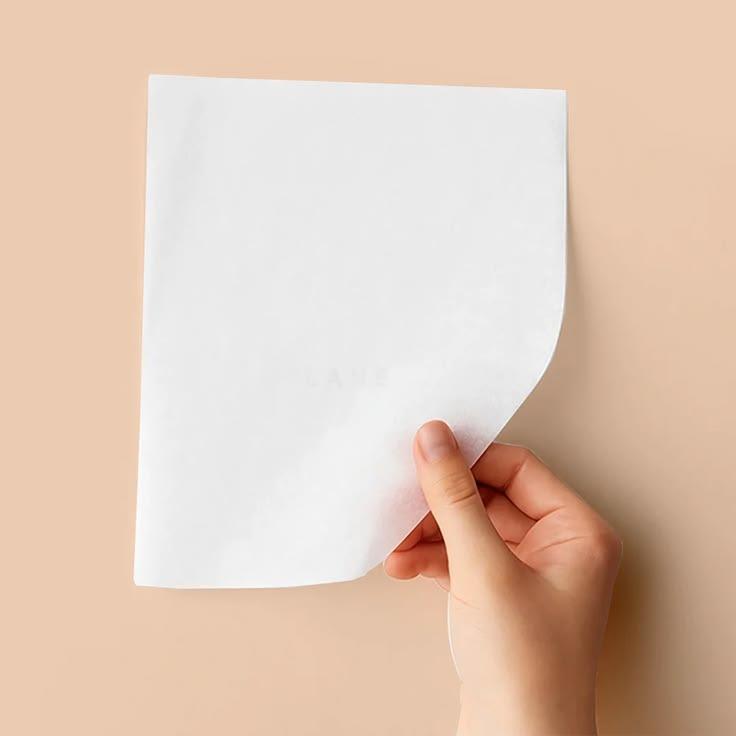
Custom butter paper is a practical packaging material used by food businesses to wrap, separate, and present different food products. It can be customized with a company logo, brand colors, patterns, or other printed designs to create a consistent look across food packaging. Bakeries, cafés, restaurants, sandwich shops, and takeaway businesses can use custom butter paper to improve product presentation while keeping food handling convenient. Depending on its coating and construction, the paper may also help resist grease or moisture. Businesses should select a material specifically designed for the intended food-contact application.
Why Businesses Choose Custom Butter Paper
Food packaging is more than a way to carry products from one place to another. It can also influence how customers recognize and remember a business. custom butter paper packaging allows brands to add visual identity to everyday food wrapping without relying entirely on printed boxes or bags. A simple logo pattern or coordinated design can make sandwiches, pastries, burgers, and other items look more professional. It also helps businesses maintain consistent branding across dine-in service, takeaway orders, and delivery packaging.
Printed Butter Paper for Better Brand Recognition
Printed butter paper gives businesses an opportunity to display their branding at the point where customers interact directly with their food. A clear logo, recognizable color scheme, or repeating pattern can make wrapped products easier to associate with a particular restaurant or bakery. Custom printed butter paper is available in different design styles, from minimal branding to colorful promotional artwork. Businesses should keep the design readable and avoid excessive printing that makes the paper look crowded. Choosing suitable inks and printing processes for the intended food-contact use is also important.
Common Uses of Custom Butter Paper
Custom butter paper can serve different purposes across the food industry. Bakeries may use it to wrap cookies, pastries, and selected baked goods, while sandwich shops can use appropriately specified sheets for individual orders. Burger restaurants may place paper inside serving trays or use it as an additional wrapping layer. Cafés can use branded sheets for takeaway snacks, breakfast items, and counter service. The right paper depends on the food's temperature, moisture, oil content, and direct-contact requirements, so one material may not be suitable for every application.
Custom Butter Paper for Bakeries and Cafés
Bakeries and cafés often need packaging that protects food during handling while maintaining an attractive presentation. Custom butter paper can be used for suitable cookies, muffins, pastries, and other bakery products, depending on the paper's specifications. A bakery logo or subtle pattern can make packaging feel more distinctive and complement branded cups, bags, and product boxes. Cafés can also use coordinated wrapping sheets for sandwiches and snacks served with hot or cold drinks. Selecting the correct paper helps businesses balance presentation, convenience, and food-handling needs.
Greaseproof Butter Paper and Food Protection
Grease resistance is an important consideration when choosing butter paper for foods containing butter, oil, cheese, or sauces. Greaseproof butter paper is designed to resist oil penetration more effectively than ordinary uncoated paper, although performance varies by product. It can be useful for selected bakery items, sandwiches, and takeaway foods when the paper is specified for that purpose. Businesses should not assume that every butter paper sheet is greaseproof, waterproof, oven-safe, or suitable for high temperatures. Always check the manufacturer's specifications before using paper with oily, hot, or moist foods.
Butter Paper With Logo for Professional Packaging
Butter paper with logo helps turn simple wrapping into a recognizable part of a brand's customer experience. Restaurants can print their business name and logo on sheets used for takeaway meals, while bakeries can use designs that match their boxes and shopping bags. A repeating logo pattern can provide a consistent appearance without overwhelming the food presentation. Businesses should choose artwork that remains clear at the final print size and uses colors that work well with the selected paper. Before placing a large order, reviewing a digital proof or physical sample can help prevent costly design mistakes.
Choosing the Right Paper, Size, and Design
The best custom butter paper depends on the product being wrapped and the way the packaging will be used. Lightweight sheets may work for certain dry bakery items, while foods containing more oil or moisture may require specially treated paper. Sheet dimensions should suit the product so employees can wrap items quickly without excessive waste. Roll formats may be useful for businesses that cut paper as needed, whereas pre-cut butter paper sheets can make portioning more consistent. Consider paper thickness, print quality, grease resistance, storage requirements, and food-contact suitability before finalizing the order.
Sustainable Options for Custom Butter Paper
Many food businesses want packaging that supports their sustainability goals. Paper-based wrapping can be a suitable option, but its environmental performance depends on the source of the paper, coatings, inks, and local waste-processing facilities. Some treated papers may not be accepted in ordinary paper recycling streams, particularly when they contain food residue or specialized barriers. Businesses should ask suppliers about recycled content, responsible sourcing, compostability certifications, and disposal instructions where relevant. Choosing the right material for the actual food application can also help reduce unnecessary packaging and avoid product waste.
Wholesale Custom Butter Paper for Growing Businesses
Wholesale custom butter paper can help restaurants, bakeries, and food manufacturers maintain a reliable supply of branded wrapping sheets. Ordering larger quantities may reduce the cost per sheet, although the final price depends on dimensions, material, printing colors, finish, and order volume. Before buying in bulk, businesses should confirm minimum order quantities, production timelines, shipping costs, and the availability of repeat orders. Testing a smaller batch first can help verify that the paper performs well with the intended products. Consistent specifications also make it easier to reorder packaging as the business grows.
How to Order Custom Printed Butter Paper
Start by identifying the foods you plan to wrap and the conditions the Custom printed boxes design must handle. Share your preferred sheet or roll dimensions, approximate quantity, logo files, brand colors, and printing requirements with the supplier. Ask for details about food-contact compliance, grease resistance, and any temperature limitations. Review the artwork proof carefully, including logo placement, spacing, and color accuracy. If possible, test a sample with your actual products before approving a large production run. These steps can help ensure the finished paper meets both your packaging needs and brand expectations.
Frequently Asked Questions
1. What is custom butter paper used for?
Custom butter paper is used for wrapping and presenting suitable food products, including selected bakery items, sandwiches, and takeaway foods. Its exact uses depend on the material's specifications and intended food-contact application.
2. Can I print my logo on butter paper?
Yes. Many suppliers offer printed butter paper with business logos, brand colors, repeating patterns, and other custom artwork. Printing options depend on the paper type and supplier's production capabilities.
3. Is custom butter paper greaseproof?
Some varieties are designed to resist grease, but not every butter paper product has this property. Check the supplier's specifications to make sure the paper suits foods containing oil, butter, or sauces.
4. Is butter paper safe for direct food contact?
It can be when the paper, coatings, and printing materials are suitable for the intended food-contact use. Ask the supplier for relevant compliance information and follow any restrictions regarding temperature or food type.
5. Can custom butter paper be ordered in different sizes?
Yes. Depending on the supplier, businesses may be able to choose custom sheet dimensions or roll widths to suit different products and packaging processes.
6. Is wholesale butter paper more affordable?
Wholesale orders may lower the cost per sheet because of production efficiencies. However, pricing depends on the quantity, paper specifications, printing requirements, and shipping costs.
7. How do I choose the best custom butter paper?
Consider the food being wrapped, grease and moisture resistance, paper dimensions, print quality, food-contact requirements, and budget. Requesting samples before placing a bulk order can help confirm the material is appropriate.
Conclusion
Custom butter paper offers food businesses a practical way to combine everyday wrapping with professional brand presentation. From bakeries and cafés to burger restaurants and sandwich shops, businesses can use printed designs to create a more consistent packaging experience. The right choice depends on the paper's intended use, grease resistance, size, printing method, and food-contact suitability. By comparing material options, checking supplier specifications, and testing samples before ordering in bulk, businesses can find custom butter paper that supports their operational needs while helping their brand stand out.