
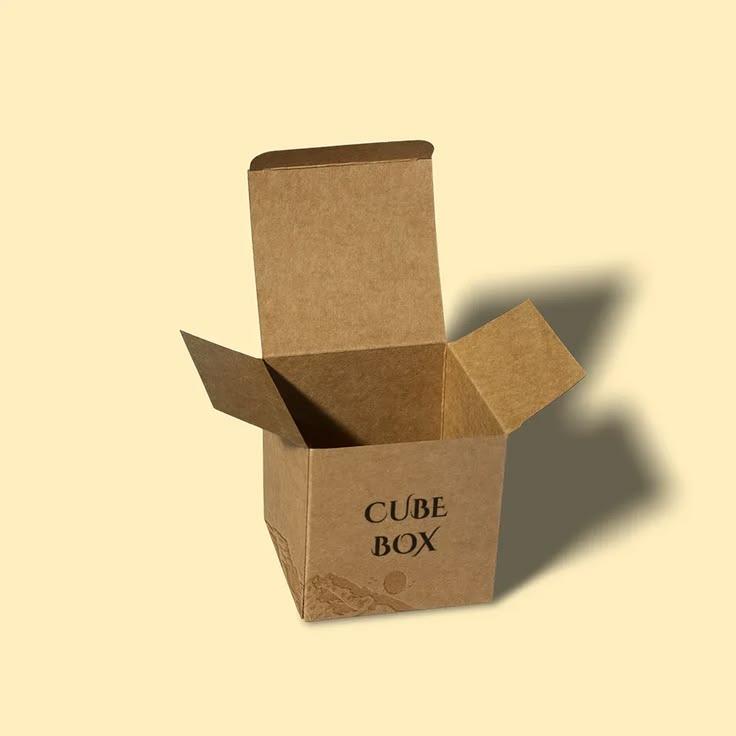
Cube packaging is a box style with six sides designed around a roughly equal length, width, and height. Its balanced shape gives products a neat appearance while providing space for branding, product information, and decorative designs. Businesses use cube shaped boxes for gifts, cosmetics, accessories, candles, promotional products, and various retail items. Depending on the product, these boxes can be made from cardboard, kraft board, corrugated material, or rigid stock. Custom cube packaging allows businesses to adjust dimensions, printing, and construction to suit the item they want to package.
Why Cube Packaging Is Popular Among Businesses
The simple shape of personalised cube boxes makes it useful for different product categories and branding styles. Its flat panels provide several areas for displaying a logo, product name, graphics, or promotional message. The symmetrical structure can also create a consistent appearance when multiple boxes are displayed together. Retailers may use cube packaging boxes to organise products on shelves, while gift businesses can choose decorative finishes for special occasions. When the dimensions and material are selected correctly, cube boxes can combine attractive presentation with practical storage and handling.
Custom Cube Packaging for Different Products
Custom cube packaging can be developed for products with different sizes, weights, and presentation requirements. Small cube boxes may suit jewellery, accessories, sample products, and promotional gifts, while larger versions can accommodate clothing accessories, candles, gift sets, and selected household products. Internal inserts can help keep delicate items in position and improve the presentation when the box is opened. Businesses should measure products carefully and allow suitable room for protective materials when needed. The final structure should fit the product securely without creating unnecessary empty space or making packing difficult.
Choosing the Right Materials for Cube Boxes
Material selection affects the appearance, durability, and cost of cube packaging. Cardboard is a versatile option for many retail products because it supports a range of printing and finishing techniques. Kraft board provides a natural paper appearance that can work well for handmade products, gifts, and brands seeking a simple visual style. Corrugated board may be more appropriate when additional strength is needed for shipping or handling. Rigid board can provide a premium feel for luxury gifts and speciality products. The right material depends on product weight, fragility, transport conditions, printing requirements, and budget.
Printed Cube Boxes for Strong Brand Recognition
Printed cube boxes help businesses create packaging that reflects their visual identity. Logos, brand colours, typography, product details, and custom illustrations can be arranged across the box panels to create a consistent design. A minimalist layout may suit premium products, while bright graphics can work for playful gifts or promotional items. Businesses can also consider matte or gloss finishes, foil accents, or embossing when these options suit their budget and brand style. Before production, reviewing a digital proof or physical sample can help confirm the artwork placement, colours, and overall presentation.
Cube Gift Boxes for Special Occasions
Cube gift boxes are popular for birthdays, weddings, holidays, corporate gifts, and product launch events. Their compact, balanced shape makes them suitable for individual gifts and coordinated gift sets. Businesses can personalise the packaging with event colours, printed messages, ribbons, sleeves, or decorative patterns. Gift retailers may also use cube boxes for seasonal collections because the artwork can be adjusted for different campaigns. The box should be sized around the gift and any additional wrapping so that the finished package looks neat and is easy to assemble.
Retail Cube Packaging for Product Displays
Retail cube packaging can help products look organised and visually consistent on shelves, counters, and display tables. The flat panels provide useful space for brand details and product information, while the shape can simplify arranging multiple packages together. Depending on the product, businesses may choose a tuck-top, lid-style, or other suitable closure. A window can sometimes be added to show the product without opening the box, provided the design maintains adequate protection. Retailers should consider shelf dimensions, product visibility, handling requirements, and ease of opening when selecting a design.
Eco-Friendly Cube Packaging Options
Businesses looking for more environmentally considerate packaging can explore paper-based cube boxes, recycled-content board, and designs that avoid unnecessary material. Kraft cube boxes are one option for brands that prefer a natural paper appearance, although the material's environmental performance depends on its composition and sourcing. Choosing an appropriate box size may also help reduce excess packaging. Businesses should verify whether a particular box is recyclable through their local waste system and check any supplier claims about recycled or certified materials. Coatings, laminations, adhesives, and other components can affect how packaging is collected and processed after use.
Luxury Cube Packaging for Premium Brands
Luxury cube packaging can help create a refined presentation for jewellery, fragrances, cosmetics, speciality gifts, and high-end accessories. Rigid board, textured paper, custom inserts, and carefully selected printing finishes can give the package a more distinctive appearance. Embossing, debossing, and foil details may add visual interest when used thoughtfully. A premium design does not necessarily require many decorative elements; consistent colours, clean typography, and precise construction can also make a strong impression. Businesses should make sure the inner structure protects the product and that the exterior finish suits the intended price point and customer expectations.
Wholesale Cube Boxes for Growing Businesses
Custom Packaging solution can be useful for retailers, manufacturers, gift companies, and businesses that package products regularly. Ordering larger quantities may reduce the unit price, depending on the supplier's production process and minimum order requirements. However, businesses should also consider storage space, shipping costs, artwork changes, and expected sales before committing to a large quantity. Confirm the box dimensions, board type, printing method, finishing details, and delivery schedule in the quotation. Ordering a sample or approving a production proof can help reduce the risk of receiving packaging that does not match the product or brand requirements.
How to Design the Right Cube Packaging
Start by measuring the product's length, width, and height, then consider whether it needs an insert, protective wrapping, or additional clearance. Choose a material that suits its weight and handling conditions, and select a closure that is convenient for the customer. Next, plan the artwork so that the logo and key information remain clear across the box panels. Compare printing and finishing options according to the desired appearance and budget. Before ordering in bulk, confirm the final dimensions, assembled structure, artwork proof, and delivery requirements with the packaging supplier.
Frequently Asked Questions
1. What products are suitable for cube packaging?
Cube packaging can be used for gifts, cosmetics, candles, accessories, promotional items, retail products, and selected food products. The material and internal construction should match the product's size, weight, and protection needs.
2. Can cube packaging be customised with a logo?
Yes. Many suppliers offer cube packaging with custom logos, brand colours, product information, patterns, and other printed artwork. Finishing options depend on the selected material and supplier.
3. Which material is best for cube packaging boxes?
Cardboard is suitable for many retail applications, kraft board offers a natural paper appearance, corrugated board can provide additional strength, and rigid board is often used for premium presentation. The best option depends on the product and intended use.
4. Are custom cube boxes available in different sizes?
Yes. Custom cube boxes can often be produced in different dimensions to accommodate small accessories, gift sets, cosmetics, and other products. Confirm the internal dimensions and allowance for inserts before placing an order.
5. Can cube gift boxes be used for corporate events?
Yes. Cube gift boxes can be personalised with company branding, event details, coordinated colours, and decorative finishes. They are suitable for selected client gifts, employee gifts, event giveaways, and product launches.
6. Are wholesale cube boxes more affordable?
Wholesale orders may offer a lower unit price, but the overall value depends on quantity, material, printing, finishing, delivery, and storage costs. Comparing complete supplier quotations can help businesses choose the most suitable option.
7. Can cube packaging be environmentally friendly?
Cube packaging can be made using paper-based materials and designs that minimise unnecessary packaging. Its recyclability depends on the board, coatings, adhesives, and local recycling facilities, so businesses should verify the material specifications before making environmental claims.
Conclusion
Cube packaging offers businesses a versatile way to combine product presentation, practical construction, and consistent branding. From simple cardboard cube boxes to personalised gift packaging and premium rigid designs, the format can be adapted to different industries and product requirements. Selecting the right materials, dimensions, printing, and finishing options helps create packaging that looks professional and serves its intended purpose. With careful planning and supplier evaluation, custom cube packaging can support product displays, gifting, retail sales, and brand recognition while meeting the practical needs of a growing business.