
Introduction
In today’s digital environment, software applications must operate flawlessly to support business operations and customer experiences. Any software failure can lead to operational disruptions, security risks, and financial losses.
Quality Acceptance Testing and professional software testing consultancy services help organizations validate applications before deployment. By performing structured testing and quality validation, businesses can ensure their software meets functional requirements, security standards, and performance expectations.
What is Quality Acceptance Testing
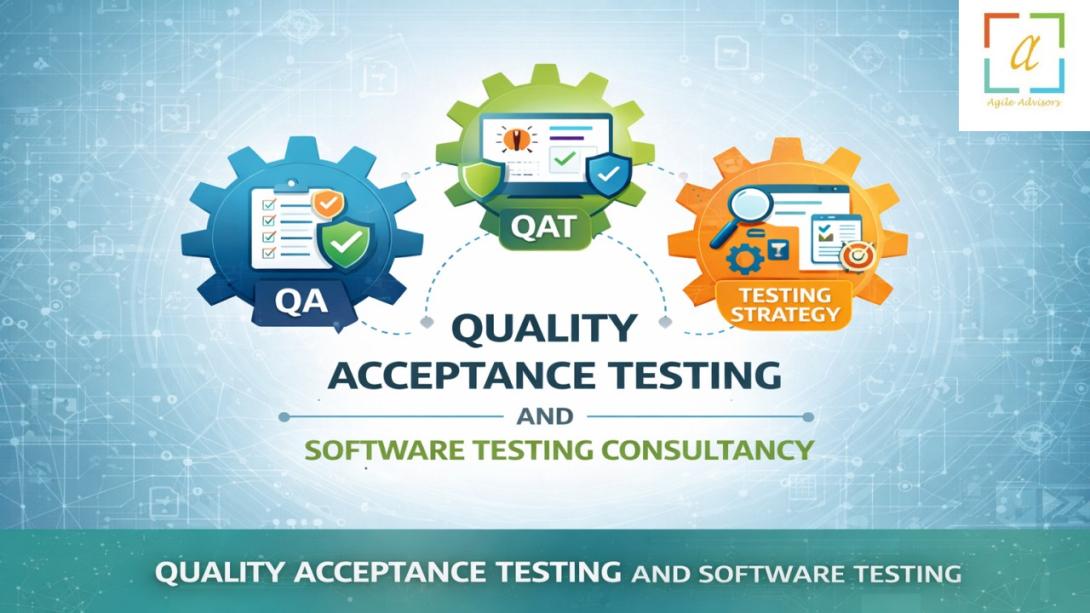
Quality Acceptance Testing, commonly known as QAT, is the process of validating software functionality and performance to ensure it meets defined business and technical requirements.
Quality Acceptance Testing (QAT) is typically conducted before software deployment to confirm that the system works correctly in real business scenarios.
Key objectives of QAT include
• Verifying system functionality
• Validating performance and stability
• Ensuring application security
• Identifying defects before production deployment
This process ensures that software applications meet quality standards and operate as expected.
Role of Software Testing Consultancy
Software testing consultancy firms provide expert guidance and structured testing methodologies to improve software quality and reliability.
Software testing consultants support organizations by
• Designing comprehensive test strategies
• Conducting functional and non-functional testing
• Implementing automation testing frameworks
• Identifying performance and security issues
• Ensuring compliance with software quality standards
With professional consultancy services, organizations can strengthen their testing processes and reduce risks associated with software failures.
Types of Software Testing in QAT
Quality Acceptance Testing (QAT) involves multiple testing techniques that evaluate software performance and functionality.
1.Functional Testing
Functional testing verifies that each application feature meets the requirements.
2.Performance Testing
Performance testing evaluates application speed, responsiveness, and stability under different workloads.
3.Security Testing
Security testing identifies vulnerabilities that could expose systems to cyber threats.
4.Usability Testing
Usability testing ensures the application provides a smooth and intuitive user experience.
Benefits of Quality Acceptance Testing
Implementing Quality Acceptance Testing (QAT) provides several advantages for organizations developing software applications.
- Improved software reliability
- Early detection of software defects
- Reduced operational risks
- Better user experience and system performance
- Higher customer satisfaction
Organizations that adopt structured testing processes can deliver software products that meet high-quality standards.
Why Businesses Need Software Testing Consultants
Modern software systems are complex and require specialized testing expertise. Many organizations partner with software testing consultancy firms to ensure effective testing and quality validation.
Consultants provide
• Expert testing methodologies
• Advanced automation tools
• Independent quality assessment
• Faster testing cycles and deployment
By working with experienced consultants, organizations can improve product quality and accelerate software development cycles.
Best Practices for Effective Quality Acceptance Testing
To ensure successful software validation, organizations should follow best practices, including
- Developing a structured testing strategy
- Automating repetitive testing processes
- Performing continuous testing throughout development
- Integrating security and performance testing
These practices help organizations maintain high software quality while reducing development risks.
Conclusion
Quality Acceptance Testing is a crucial step in the software development life-cycle. It ensures that applications function correctly, perform efficiently, and meet user expectations before deployment.
Software testing consultancy services provide organizations with the expertise and tools needed to implement effective testing strategies. By adopting structured QAT processes, businesses can deliver reliable software products and improve overall operational efficiency.