
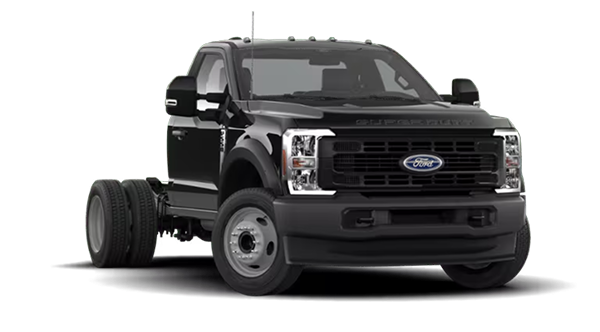
Buying a car from another country can be exciting, especially when you want unique models, better pricing, or classic vehicles that are not easily available locally. For many first-time buyers, the process may seem complicated because of shipping rules, taxes, inspections, and legal approvals. This is where experienced companies like SCD direct help simplify the process by guiding buyers through every important step.
Many Australians today are exploring overseas vehicle options because they want access to rare models, better performance vehicles, or premium cars at competitive prices. Whether you are planning to buy a luxury sedan, sports car, SUV, or classic muscle car, understanding the process is very important before making your purchase. SCD direct has become a trusted choice for many buyers looking for smooth and reliable vehicle import services.
Why People Import Cars to Australia
There are several reasons why Australians choose to import vehicles instead of purchasing locally. Some imported vehicles offer better features, lower prices, or limited-edition designs that may not be available in Australia.
Common reasons include:
- Access to rare vehicle models
- Better pricing in overseas markets
- Importing classic or collector cars
- Purchasing high-performance vehicles
- Personal preference for international models
The demand for american car imports australia has increased in recent years because many buyers are interested in iconic American muscle cars, pickup trucks, and luxury SUVs.
Understanding Australian Import Rules
Before starting the process, it is important to understand Australian vehicle import regulations. The Australian Government has strict rules to ensure imported vehicles meet safety and environmental standards.
You usually need:
- Vehicle Import Approval (VIA)
- Compliance with Australian Design Rules (ADR)
- Biosecurity cleaning inspection
- Customs clearance
- Registration approval
Without proper approval, the vehicle may not be allowed into the country.
Types of Vehicles You Can Import
Australia allows several types of imported vehicles depending on eligibility requirements.
Personal Imports
If you lived overseas and owned the vehicle for a certain period, you may qualify under the personal import scheme.
Specialist and Enthusiast Vehicles
These are unique or rare vehicles that are not commonly available in Australia.
Classic and Vintage Cars
Older vehicles may qualify under special import conditions.
Performance and Luxury Cars
Many buyers interested in importing cars to australia choose luxury brands and sports vehicles from the USA, Japan, or Europe.
Step-by-Step Process for Importing a Car
1. Choose the Right Vehicle
Start by selecting a vehicle that is eligible for import into Australia. Research the model carefully and check whether it meets local compliance standards.
You should consider:
- Vehicle condition
- Mileage
- Repair history
- Availability of spare parts
- Compliance costs
2. Apply for Import Approval
Before shipping the vehicle, you must apply for a Vehicle Import Approval from the Australian Government.
This approval confirms:
- The vehicle is legally eligible
- Import conditions are satisfied
- The vehicle can enter Australia
Never ship a car without approval because it may create serious legal and financial issues.
3. Arrange Vehicle Shipping
After approval, the next step is international shipping.
The two common shipping methods are:
- Roll-on Roll-off (RoRo)
- Container shipping
Container shipping offers more protection, while RoRo is usually more affordable.
Professional companies that help you import vehicle to australia often assist with shipping coordination and logistics management.
4. Customs and Biosecurity Inspection
Once the vehicle arrives in Australia, it must pass:
- Customs clearance
- Quarantine inspection
- Biosecurity cleaning checks
Australia has strict biosecurity laws to prevent contamination from foreign soil, insects, or plant materials.
Vehicles that fail inspection may require additional cleaning before release.
5. Compliance and Modifications
Some imported vehicles require modifications to meet Australian Design Rules.
This may include:
- Lighting adjustments
- Safety upgrades
- Seatbelt modifications
- Emission compliance
- Child restraint anchor points
A licensed workshop usually performs these changes.
6. Registration and Insurance
After compliance approval, the vehicle can be registered in your state or territory.
You will also need:
- Roadworthy certificate
- Registration documents
- Insurance coverage
Once registration is complete, your imported vehicle is ready for Australian roads.
Costs Involved in Importing Cars
Many first-time buyers underestimate the total cost of vehicle importing. Besides the purchase price, several additional expenses are involved.
Common costs include:
- Shipping charges
- Import duties
- GST
- Luxury Car Tax (if applicable)
- Compliance modifications
- Inspection fees
- Registration costs
- Insurance
It is important to prepare a complete budget before starting the process.
Common Mistakes First-Time Buyers Make
Ignoring Import Eligibility
Not all vehicles qualify for import approval.
Underestimating Costs
Unexpected fees can increase your overall budget.
Skipping Vehicle History Checks
Always verify accident records and ownership history.
Choosing Unreliable Sellers
Work only with trusted exporters and import specialists.
Forgetting Compliance Requirements
Compliance work can sometimes take longer than expected.
Tips for a Smooth Import Process
To make the process easier:
- Research import laws carefully
- Work with experienced import professionals
- Compare shipping options
- Verify vehicle condition before purchase
- Keep all documents organized
- Plan your budget properly
Patience is also important because international shipping and approvals can take time.
Benefits of Using Professional Import Services
Importing a vehicle independently can be stressful for first-time buyers. Professional import companies help reduce risks and simplify the process.
Benefits include:
- Expert guidance
- Faster paperwork handling
- Shipping coordination
- Compliance support
- Customs assistance
- Reduced chances of delays
Experienced providers understand Australian regulations and help buyers avoid common mistakes.
FAQs
1. Can I import any car into Australia?
No, the vehicle must meet Australian import eligibility rules and safety standards before approval is granted.
2. How long does the import process take?
The full process may take several weeks to a few months depending on shipping, approvals, and compliance work.
3. Do imported vehicles need modifications?
Some vehicles require modifications to meet Australian Design Rules before registration.
4. Is importing a car cheaper than buying locally?
In some cases, imported vehicles can offer better value, especially for rare or luxury models.
5. Why should I use a professional import service?
Professional services help manage paperwork, shipping, inspections, and compliance, reducing stress and saving time.
Conclusion
Importing a vehicle into Australia may seem complicated at first, but with proper planning and expert support, the process becomes much easier. From choosing the right car to handling approvals, shipping, inspections, and registration, every step requires attention to detail. Working with experienced professionals like SCD direct can help first-time buyers avoid unnecessary stress and complete the process smoothly.
As more Australians explore international vehicle markets, the demand for imported vehicles continues to grow. Whether you want a luxury car, classic model, or performance vehicle, proper guidance is essential for a successful import experience. SCD direct supports buyers through every stage, making overseas vehicle purchasing more simple and reliable for Australian customers.