
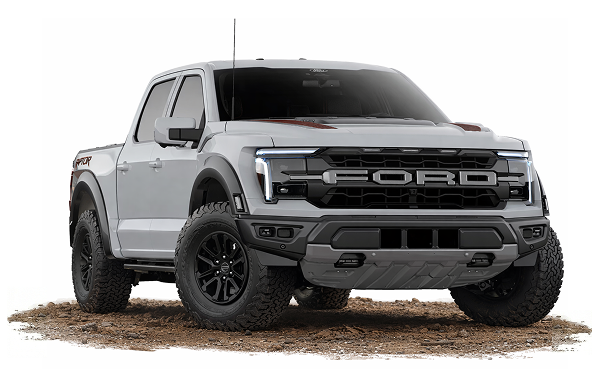
Importing a vehicle into Australia can be exciting, especially for car enthusiasts looking for unique models, classic vehicles, or performance cars from overseas markets. Many people interested in american car imports australia often dream of owning vehicles that are not easily available locally. However, the process is not always simple. There are several rules, inspections, and legal requirements involved before an imported vehicle can legally drive on Australian roads. Companies like SCD direct help customers understand these processes and reduce the stress that comes with vehicle imports. Choosing the right support from SCD direct can make the compliance process smoother and more manageable.
Understanding the common challenges in vehicle compliance is important because mistakes can lead to delays, extra expenses, or even rejection of the vehicle registration. In this blog, we will explore the most common issues people face during the import process and how to avoid them.
Understanding Vehicle Compliance in Australia
Before a vehicle can be registered in Australia, it must meet specific government standards. These standards are designed to ensure safety, environmental protection, and roadworthiness.
Imported vehicles must comply with:
- Australian Design Rules (ADR)
- Emission standards
- Safety regulations
- Registration requirements
The process may differ depending on the type of vehicle being imported, including personal imports, classic cars, performance vehicles, or commercial vehicles.
Incorrect Documentation
One of the most common problems during vehicle importation is incomplete or incorrect paperwork. Importing a vehicle requires multiple documents, including:
- Import approval
- Purchase invoice
- Vehicle identification details
- Shipping documents
- Compliance certificates
Missing or inaccurate information can delay customs clearance and compliance approval.
How to Avoid It
Always double-check every document before submission. Work with experienced import professionals who understand Australian import laws and can help organize all required paperwork properly.
Failure to Meet Australian Safety Standards
Many imported vehicles are manufactured according to the standards of their original country. Unfortunately, these standards may not match Australian requirements.
Common compliance issues include:
- Incorrect lighting systems
- Non-compliant seat belts
- Incompatible child restraint points
- Unsafe modifications
These issues can prevent registration approval.
How to Avoid It
Before purchasing a vehicle overseas, confirm whether it can meet Australian standards. It is always better to inspect the vehicle early rather than discovering problems after arrival.
Emission Regulation Problems
Australia has strict environmental and emission standards. Imported vehicles with outdated engines or excessive emissions may fail compliance testing.
This issue is common with older imported vehicles and modified performance cars.
How to Avoid It
Research Australian emission rules before importing a vehicle. Some vehicles may require upgrades or modifications to pass inspection.
Delays in Shipping and Customs Clearance
Importing vehicles involves international shipping, customs inspections, and quarantine checks. Delays can happen due to:
- Incorrect declarations
- Biosecurity concerns
- Missing approvals
- Port congestion
Even small paperwork mistakes can slow down the entire process.
How to Avoid It
Prepare all approvals before shipping the vehicle. Ensure the car is thoroughly cleaned to meet Australian quarantine requirements.
Problems with Vehicle Modifications
Many imported vehicles have aftermarket modifications such as:
- Suspension upgrades
- Engine modifications
- Custom exhaust systems
- Tinted windows
Some modifications may not be legal in Australia.
This becomes a major concern during Import Vehicle Compliance inspections because inspectors carefully assess whether the modifications meet Australian road regulations.
How to Avoid It
Check Australian modification laws before importing the vehicle. If necessary, return the vehicle to standard condition before shipping.
Underestimating Total Costs
Many buyers focus only on the purchase price and forget additional expenses such as:
- Shipping fees
- Customs duties
- GST
- Compliance costs
- Registration fees
- Modification expenses
Unexpected costs can quickly increase the total budget.
How to Avoid It
Create a detailed budget before importing the vehicle. Include all possible expenses to avoid financial surprises later.
Choosing the Wrong Import Partner
Some people try to manage the entire process themselves without proper experience. This can lead to mistakes, delays, and failed inspections.
An experienced import company understands:
- Compliance requirements
- Customs procedures
- Shipping logistics
- Registration rules
Reliable guidance can save both time and money.
Lack of Knowledge About Eligibility Rules
Not every vehicle can be legally imported into Australia. Some vehicles may not qualify under import schemes or may require special approvals.
Import rules can depend on:
- Vehicle age
- Vehicle category
- Country of origin
- Intended use
How to Avoid It
Research eligibility carefully before purchasing any overseas vehicle. Professional import consultants can help verify eligibility before payment is made.
Importance of Professional Inspections
Many buyers purchase vehicles online without physical inspections. This creates risks such as:
- Hidden damage
- Mechanical issues
- Rust problems
- Compliance failures
How to Avoid It
Arrange independent inspections before purchase. A proper inspection can help identify problems early and reduce future repair costs.
Understanding Registration Requirements
Even after compliance approval, the vehicle still needs state registration before it can legally operate on public roads.
Each Australian state may have slightly different registration requirements.
How to Avoid It
Check local registration rules in advance to avoid delays after compliance approval.
FAQs
1. What is vehicle compliance in Australia?
Vehicle compliance is the process of ensuring an imported vehicle meets Australian safety, environmental, and legal standards before registration.
2. Why do imported vehicles fail compliance inspections?
Vehicles often fail due to non-compliant modifications, incorrect lighting, emission issues, or incomplete paperwork.
3. Can modified vehicles be imported into Australia?
Yes, but the modifications must meet Australian regulations and may require additional inspections or adjustments.
4. How long does the import compliance process take?
The process can take several weeks depending on shipping, inspections, paperwork, and approval requirements.
5. Why should I use a professional import service?
Professional import services help manage paperwork, compliance checks, shipping, and legal requirements, reducing delays and costly mistakes.
Conclusion
Importing a vehicle into Australia can be rewarding, but the compliance process requires careful planning and attention to detail. From documentation errors to modification issues, there are many challenges that can create delays and additional costs. Working with experienced professionals like SCD direct helps simplify the process and reduces the chances of costly mistakes. Proper research, inspections, and preparation are essential for successful imports. Whether you are importing classic vehicles or performance cars, understanding Australian vehicle compliance requirements is the key to a smooth experience. With the right guidance from SCD direct, vehicle owners can confidently navigate the import process. Many customers trust SCD direct because of their industry knowledge and commitment to helping importers meet Australian regulations successfully.