
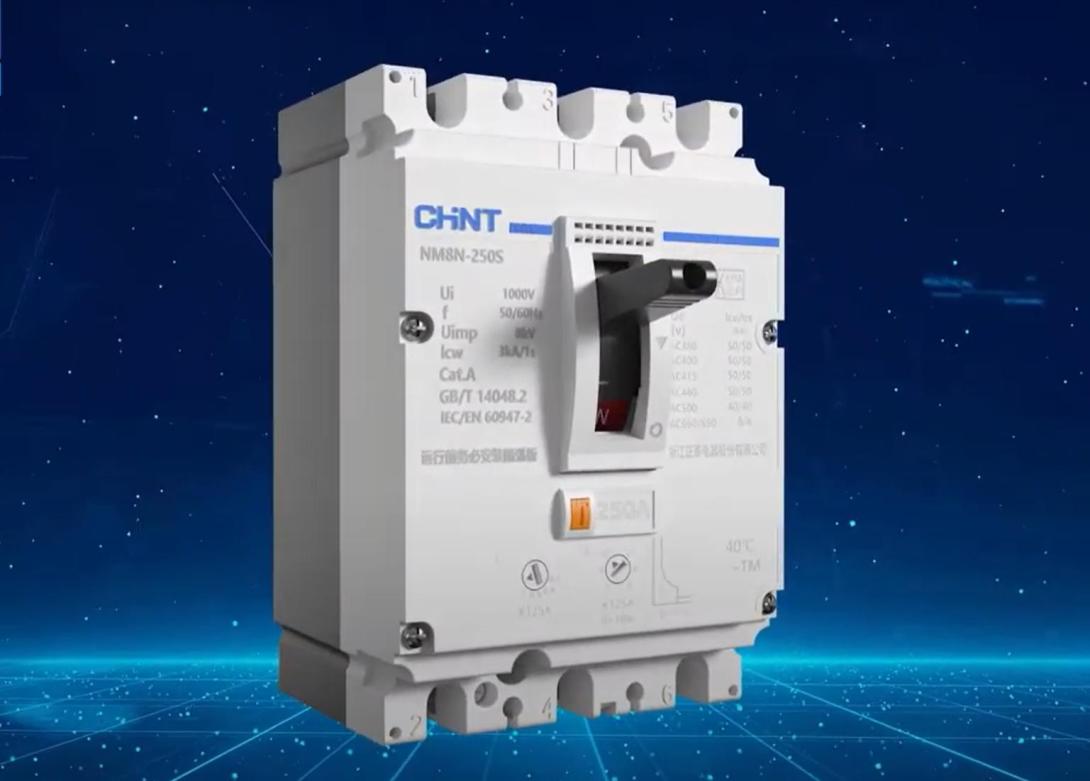
When it comes to setting up a welding station, one of the most overlooked yet critical elements is selecting the right circuit breaker for welding machine. Welders are high-powered tools that demand consistent, safe electricity, and using an undersized or mismatched breaker can lead to tripped circuits, damaged machines, or even serious safety hazards like electrical fires. Whether you're running a MIG, TIG, Stick, or multi-process welder, getting your breaker right is like building a solid foundation for your house—it ensures everything else runs smoothly. In this guide, we’ll break down everything you need to know in plain English, from amps to wire size, breaker types to code compliance, helping you choose the perfect breaker with confidence.
Understanding Circuit Breakers and Their Function
Let’s start with the basics. A circuit breaker is an automatic safety switch designed to shut off power if there's too much current flowing through the electrical circuit. This "overcurrent" situation can be dangerous because it causes heat, which could melt wires or spark a fire. For a welder, this is especially crucial, since the power draw can fluctuate depending on the material you're working on and the amperage settings you choose. Choosing a circuit breaker that matches your welder's input current ensures smooth operation and keeps both you and your equipment safe.
Know Your Welder's Input Requirements
Before you even think about breaker size, get to know your welder. Every machine comes with an input requirement label (usually found near the power cord or in the user manual). It will list voltage (typically 120V, 240V, or dual voltage), input current in amps, and often the recommended breaker size. For instance, a small 120V MIG welder might draw 20 amps, while a heavy-duty 240V Stick welder could need 50 amps or more. Matching your breaker to these specs is non-negotiable.
Breaker Size – The Heart of the Matter
Here’s where it gets real. The most common breaker sizes for welders are 20A, 30A, 40A, and 50A. Smaller machines that run on standard household current (120V) usually pair well with a 20 or 30 amp breaker. Mid-sized machines running on 240V often require 30 to 40 amps, while big industrial welders could demand 50A or more. But don’t just go bigger thinking it’s safer—that can actually defeat the purpose of the breaker. The goal is to find the Goldilocks zone: not too small to cause nuisance tripping, and not too big that it doesn’t trip when it should.
Single-Pole vs. Double-Pole Breakers
Your welder’s voltage determines the type of breaker you need. For 120V welders, a single-pole breaker (which connects to one hot wire and one neutral) is sufficient. But for 240V machines, you’ll need a double-pole breaker, which connects to two hot wires and delivers the higher voltage required. This is especially important for performance and safety—don’t try to run a 240V welder off a 120V breaker or outlet. Always match voltage first, then amperage.
What About Wire Gauge? Don’t Overlook It
Here’s a piece of the puzzle many DIYers miss: the wire connecting your breaker to your outlet has to match the breaker size too. For example, a 20A breaker typically requires 12-gauge wire, while a 30A breaker needs 10-gauge, and a 50A breaker needs 6-gauge. If the wire is too thin for the amperage, it can overheat, even if the breaker doesn’t trip. Always upgrade the wire when upgrading the breaker, or better yet, install them together as part of a planned circuit.
Duty Cycle and Breaker Considerations
Welders don’t always run at full power all the time—they have something called a duty cycle, which tells you how long you can weld continuously before needing to cool down. For instance, a 60% duty cycle at 200A means you can weld for 6 minutes out of 10. This matters because it affects how much continuous current your machine draws. If you’re only welding short bursts, you might get away with a smaller breaker, but if you’re welding thick metal all day at max power, you’ll want a breaker that can handle that steady load.
GFCI and AFCI Breakers – Are They Needed?
In most residential setups, Ground Fault Circuit Interrupter (GFCI) breakers are required in garages and workshops to prevent shocks, especially in damp conditions. While not all welders play nice with GFCI (some trip them unnecessarily due to internal noise), many newer models are GFCI-compatible. Arc Fault Circuit Interrupters (AFCIs) are less commonly used for welders but may be required depending on local code. When in doubt, check with an electrician or local code official.
Portable Welders vs. Stationary Units
If you’re using a small, portable welder occasionally, it may not make sense to install a dedicated circuit. In that case, you can use existing outlets, as long as they’re on appropriately rated breakers. But for bigger machines—or daily use—investing in a dedicated welding circuit with its own breaker and outlet makes your setup safer, cleaner, and more professional.
Code Compliance and Safety Standards
In the U.S., the National Electrical Code (NEC) is the go-to authority for wiring and breaker rules. According to NEC Article 630, welders are considered “continuous duty” equipment, which means their circuit should be sized at 125% of the machine’s rated input current. That means if your welder draws 40 amps, the breaker should be rated for 50 amps. This isn’t a suggestion—it’s a requirement for safe and legal installation.
Breaker Brands and Quality
Don’t cheap out on breakers. Stick to reputable brands like Square D, Siemens, Eaton, or GE. Poor-quality breakers might not trip when they should or might trip too often, leading to frustration or danger. Also, make sure your breaker is compatible with your electrical panel. Most panels only accept certain brands or models—mixing and matching can void warranties or cause a poor fit.
Upgrading Your Electrical Panel for Welding Use
If your home or workshop has an older electrical panel, you might find that there isn’t enough space—or capacity—to add a high-amp breaker for a welder. This is especially common in older homes with 100A service. Upgrading your panel to a 200A service not only allows for safer welding operation but also adds future flexibility for other tools or appliances. Although it's a bigger investment, this kind of upgrade can increase your property’s value and reduce electrical overload risks. Always consult a licensed electrician before attempting any panel changes.
Breaker Tripping During Welding – What to Check
If your breaker keeps tripping while you’re welding, don’t ignore it—it’s your electrical system telling you something’s wrong. First, check that the breaker size matches your welder’s requirements. Next, inspect the wire gauge; if it’s too small for the load, it may overheat and trip the breaker. Also, check for loose connections or faulty outlets. In some cases, internal faults in the welder itself (like a bad capacitor or short circuit) can cause tripping. Systematically testing each component can save you from bigger repair bills down the line.
Conclusion
A welding setup is only as strong as its weakest link—and the circuit breaker is often the link people ignore until it fails. Taking the time to properly size and install the correct breaker is an investment in both performance and safety. Whether you're a weekend DIYer or a pro welder running beads all day, getting this part right means fewer interruptions, less risk, and more peace of mind.
FAQs
What size breaker do I need for a 240V welder?
Most 240V welders require a 30A to 50A breaker, depending on the welder’s input rating. Always check your machine’s specs.
Can I use a regular household outlet for my welder?
Only for small 120V welders. Larger machines need a dedicated outlet and higher-rated breaker.
What happens if I use a breaker that’s too small?
It will trip frequently, interrupting your work. It could also wear out prematurely.
Do I need a GFCI breaker for my welder?
It depends on local codes. For garages or damp environments, GFCI may be required—but not all welders are compatible.
Is it safe to install the breaker myself?
Only if you’re trained. Otherwise, hire a licensed electrician to avoid serious electrical hazards.