

Cell and Gene Therapy manufacturing is highly specialized, requiring strict adherence to GMP (Good Manufacturing Practice) guidelines to ensure therapeutic products' safety, quality, and consistency. The design, qualifications, and ongoing compliance of manufacturing facilities, including clean rooms, are critical to achieving these goals. Below is a detailed overview of the GMP manufacturing, facility, cleanroom design requirements for cell and gene therapy, and the role of GxP Cellators, a specialized company in designing and qualifying manufacturing sites.
[caption id="attachment_6499" align="alignnone" width="1280"]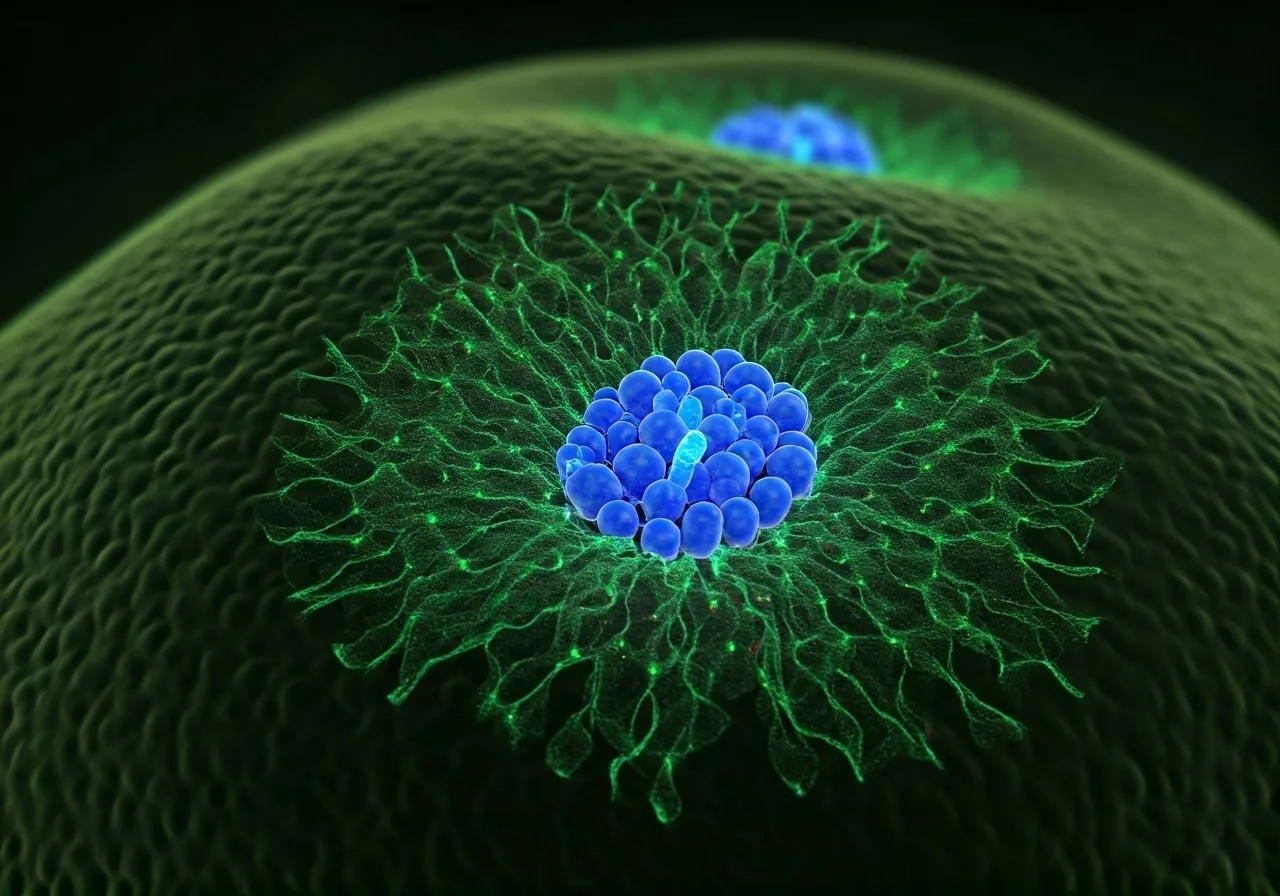 Cell and Gene Therapy[/caption]
1. GMP Manufacturing Requirements for Cell and Gene Therapy
GMP (Good Manufacturing Practice) requirements ensure cell and gene therapies are consistently produced to the highest quality standards, providing patient safety, efficacy, and consistency. Given the complexity of these therapies, which often involve human cells, tissues, or genetic material, the potential for contamination or variability is high, making GMP adherence critical.
Here are the key GMP requirements for cell and gene therapy:
Key GMP Requirements for Cell and Gene Therapy:
1. Quality Management System (QMS):
- QMS is the backbone of any GMP-compliant manufacturing process. It ensures that all production activities are documented, controlled, and traceable. A comprehensive QMS helps manage batch records, deviations, equipment calibration, personnel training, and change control.
- Purpose: This system guarantees that all aspects of the manufacturing process meet regulatory standards, from sourcing raw materials to final testing and product release.
Components of QMS in Cell and Gene Therapy:
- Standard Operating Procedures (SOPs): Detailed instructions for each manufacturing process step.
- Deviation Management: Protocols for addressing deviations from expected processes or specifications, ensuring thorough investigation and corrective actions.
- Change Control is a process for documenting and managing any changes to processes, equipment, or materials that may affect product quality.
2. Process Validation:
- Process validation is essential to ensure that production processes (e.g., cell culture, viral vector production, gene editing, etc.) consistently produce products that meet predefined specifications.
- Validation should include establishing critical process parameters and acceptance criteria to ensure the final product is reproducible and meets quality standards.
Key Aspects of Process Validation:
- Installation Qualification (IQ): Verifies that equipment and systems are installed according to specifications.
- Operational Qualification (OQ): Ensures systems operate as intended under normal operating conditions.
- Performance Qualification (PQ): Confirms that the processes, systems, and equipment can consistently produce a product meeting its intended specifications.
Examples:
- Validating cell culture conditions to ensure optimal growth and proliferation of cells.
- Ensuring that viral vectors are consistently produced with the correct titers.
QA Consultants | Quality Consultants | Life Sciences Industry
3. Material Control:
- The materials used in cell and gene therapy production, including starting cells, culture media, viral vectors, reagents, and other consumables, must meet strict GMP standards to ensure product safety and consistency.
- Material Control encompasses sourcing, handling, storing, and tracking raw materials throughout production.
Key Aspects of Material Control:
- Approved Suppliers: Only materials from qualified suppliers are used.
- Incoming Testing: Each batch of raw material must undergo testing for identity, purity, and potency to ensure it meets the required standards.
- Material Traceability: Materials used in the production process must be traceable, from receipt to final product release.
4. Contamination Control:
- Effective contamination control is essential in manufacturing cell and gene therapies. Since these therapies often involve living cells or sensitive genetic material, contamination by microorganisms, endotoxins, or other unwanted particles can compromise product quality and patient safety.
- Contamination control strategies include implementing sterile techniques, controlling the environment, and regularly validating cleaning procedures.
Contamination Control Measures:
- Aseptic techniques involve handling sterile materials, including cell cultures and gene vectors, to prevent contamination during production.
- Cleanrooms: Facilities must meet specific cleanliness requirements (e.g., ISO Class 5 for critical areas) and be designed to minimize the risk of contamination.
- Environmental Monitoring: Regularly monitor air quality, temperature, humidity, and microbial contamination levels to ensure a controlled environment.
- Sterilization and Disinfection: Regularly cleaning and sterilizing equipment, surfaces, and rooms to prevent microbial or particulate contamination.
5. Testing and Release:
- Every batch of cell and gene therapy products must undergo rigorous tests to confirm the product meets quality standards. These tests may include sterility, endotoxin, and mycoplasma testing, among others.
- Final release testing ensures the product's safety, identity, and potency before it is distributed to patients.
Key Testing Requirements:
- Sterility Testing: To ensure no microbial contamination in the final product.
- Endotoxin Testing: This ensures that the product does not contain harmful endotoxins that could induce a toxic response in patients.
- Potency Testing: Ensures the product has the desired therapeutic effect and performs as intended.
- Identity and Purity Testing: This verifies that the final product contains the correct cells or genetic material and is contaminant-free.
Release Criteria:
- Products are only released once they pass all required tests, ensuring compliance with specifications.
6. Traceability and Documentation:
- Traceability and comprehensive documentation are vital for recording each manufacturing process step. This ensures that the product's history (including materials used, equipment involved, and any deviations) can be traced in case of a quality issue.
- Detailed documentation is essential for compliance during regulatory inspections and audits.
Key Documentation Requirements:
- Batch Records: Document every aspect of the production process, including materials used, equipment involved, environmental conditions, and test results.
- Change Control Records: Record manufacturing processes or materials changes, including justifications and approvals.
- Deviation Records: Any deviations from expected process conditions must be documented, with investigations and corrective actions clearly outlined.
Regulatory Inspections:
- Regulatory bodies (e.g., FDA, EMA) may request batch records, deviation reports, and testing documentation during inspections to verify compliance with GMP.
Read More: https://www.gxpcellators.com/cell-and-gene-therapy/