
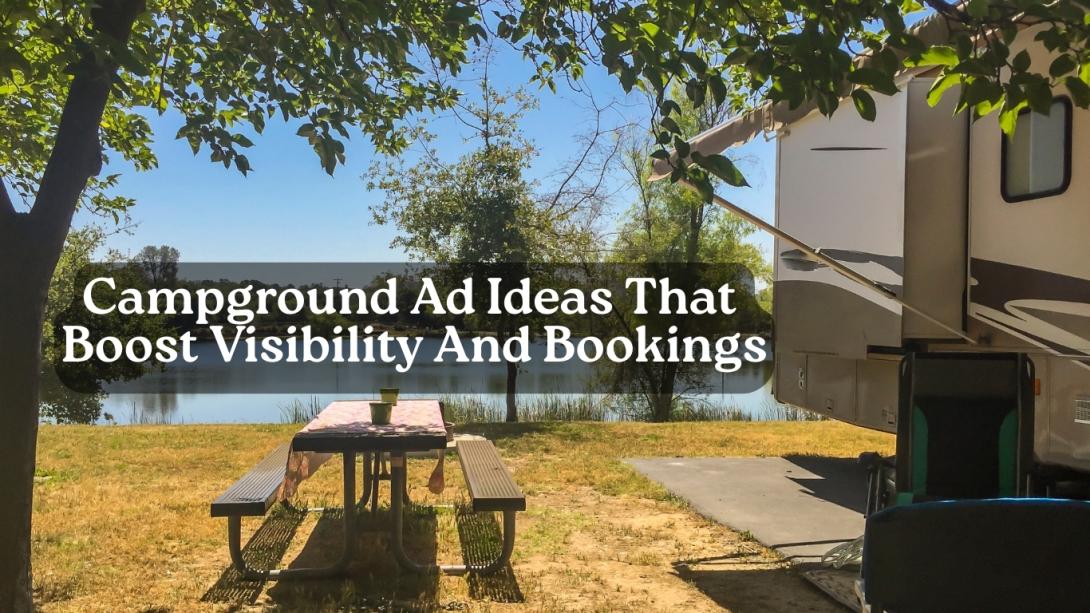
Campgrounds have always been more than just a tent or camper van to sleep in under the stars. They are places of activity, creation of memories, and local tourism offers. However, in an increasingly competitive travel and tourism market, relying on simply a great location won't suffice. Effective advertising strategies targeted toward the campground visitor can help improve visibility, occupancy, and customer experience.
By focusing on both traditional and digital methods, campgrounds and local businesses can connect more meaningfully with their audience. A thoughtful advertising approach not only helps campgrounds attract new guests but also makes the stay more valuable for those already on-site. One proven method involves integrating smart campground ad ideas to help travelers discover services, shops, and experiences nearby, creating a win-win for both guests and communities.
Why should campgrounds prioritize advertising?
Campground operators are often focused on operations — managing reservations, handling amenities, or ensuring guest safety. But advertising plays a crucial role in keeping occupancy rates healthy and local partnerships thriving. Some key reasons include:
- Seasonal competition means guests have many options
- Effective ads highlight unique campground features
- Ads drive local tourism by connecting campers to businesses
- Strong branding fosters long-term loyalty among repeat visitors
Advertising for campgrounds is more than just providing a space. Advertising is about providing an experience that extends far beyond just a tent or recreational vehicle (RV). A good advertising strategy also keeps a campground competitive during peak season. Without advertising, campground operators risk losing guests to nearby entities that better communicate what they can offer.
How has outdoor advertising evolved for campgrounds?
Long before smartphones and QR codes, travelers relied on billboards, brochures, and maps to discover local attractions. That tradition continues, but with a digital twist. Today’s campground guests are looking for convenience, personalization, and relevance.
- Rearview mirror tags with QR codes provide instant access to maps or event schedules
- Digital guides showcase dining, shopping, and nearby adventures
- On-site print branding ensures visibility for essential services
- Interactive ads encourage engagement rather than passive viewing
Looking at the history of outdoor advertising shows that while the mediums have changed, the principle has not: reach people where they are. For campgrounds, this means blending traditional physical placements with mobile-first experiences. It also signals a broader industry shift toward hybrid advertising methods that combine the trust of print with the efficiency of digital tools.
What types of campground ads resonate with today’s travelers?
Modern campers expect more than static posters. They’re looking for practical, interactive tools that enhance their trip. Popular advertising formats include:
- Custom mirror tags with scannable codes for quick access to guides
- Digital directories that map out local restaurants, shops, and events
- Branded welcome packets with coupons or activity details
- On-site signage highlighting upcoming events or must-see destinations
- Print branding just like flyers or postcards, that extend the experience
These solutions give guests what they want most: information at their fingertips without having to search endlessly online. They also help create a more memorable stay, ensuring guests associate convenience and discovery with the campground brand itself.
How can campground ads support local businesses?
One of the most overlooked advantages of campground advertising is its ability to strengthen local economies. Campgrounds often serve as a gateway for regional experiences, from small-town diners to family-owned adventure companies. Ads become a bridge that guides guests toward those businesses.
- Local restaurants can highlight meal specials for campers
- Outfitters can promote gear rentals or guided tours
- Shops can showcase unique souvenirs that tell a regional story
- Service providers (like laundromats or repair shops) can target traveling families and RV owners
This model of collaboration doesn’t just benefit visitors — it gives small businesses direct access to an audience that is actively seeking experiences. For more inspiration, see smart campground advertising ideas for local businesses that make these partnerships effective.
What role does technology play in campground advertising?
Technology has transformed advertising in the camping industry. Today, travelers are accustomed to QR codes, online directories, and location-based recommendations. Smart campground advertising embraces these tools to provide seamless guest access to information.
- QR code–enabled tags lead directly to maps and event updates
- Wi-Fi integrations provide ads within landing pages
- Mobile-friendly guides ensure access for all devices
- Geotargeting allows tailored promotions based on guest interests
The guide to smarter campground navigation shows how technology helps streamline the visitor journey. Guests get convenience, while businesses and campgrounds receive measurable visibility. This alignment between guest needs and business goals makes tech-driven advertising especially valuable for campgrounds looking to grow.
Where is campground advertising heading next?
As the industry continues to evolve, advertising is expected to get more interactive, localized, and digital-first. Trends to watch include:
- Personalized ad content tailored to guest profiles
- Expanded use of scannable technology in on-site materials
- Integration with smart devices and campground apps
- Deeper partnerships between campgrounds and local businesses
The new era of campground advertising is all about merging convenience with connection. The future is not just about visibility but about making ads part of the guest journey itself.
Conclusion
Advertising for campgrounds is no longer limited to basic signage or pamphlets. There have been improvements to this method of advertising that bring together tradition and technology to give campground operators a different way to advertise their campground and keep the bookings coming in. By exposing travelers to local businesses to ease their visit, campgrounds also enhance the visitor's experience and benefit their surrounding communities.
For brands like BlueSpot Connect, the focus is on creating meaningful tools — from custom QR-coded tags to digital guides — that help campgrounds provide value at every touchpoint. The result? Advertising that works harder, feels more natural, and drives both visibility and bookings.