

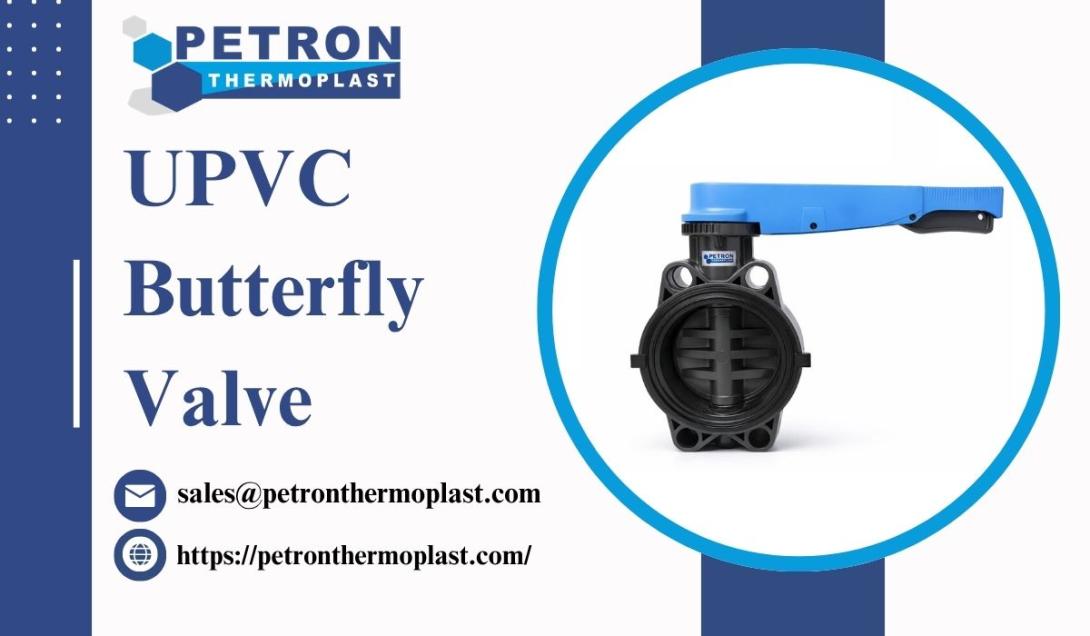
A UPVC Butterfly Valve for Chemical Plant Flow Control is a practical thermoplastic valve solution designed for controlling and isolating compatible fluids in industrial chemical piping systems. Manufactured using unplasticized polyvinyl chloride (UPVC), these valves offer corrosion resistance, lightweight construction, and convenient quarter-turn operation for a wide range of industrial applications.
Chemical processing plants often handle acids, alkalis, chemical solutions, treated water, and other process fluids that may cause corrosion in conventional metallic piping components. Selecting suitable valves is therefore essential for maintaining reliable plant operation and reducing corrosion-related maintenance. A properly specified UPVC butterfly valve can provide effective on-off isolation and flow management where the process medium and operating conditions are compatible with UPVC.
The valve is typically installed at strategic points throughout a chemical plant to isolate pipelines, equipment, tanks, pumps, and process systems. Its compact design and quarter-turn operating mechanism make it suitable for applications where efficient operation and space-saving installation are important.
What Is a UPVC Butterfly Valve?
A UPVC butterfly valve is a quarter-turn flow control valve consisting of a circular disc positioned inside the pipeline. The disc rotates around a central stem to control the movement of fluid through the valve.
The basic operating principle is simple:
- Fully open: The disc is positioned approximately parallel to the direction of flow.
- Fully closed: The disc rotates across the pipeline, blocking fluid movement.
- Quarter-turn operation: Approximately 90 degrees of rotation changes the valve position.
Why Use UPVC Butterfly Valves in Chemical Plants?
Chemical plants require piping components that can withstand demanding environments. Corrosion is a major consideration when selecting valves for chemical processing systems.
UPVC is a rigid thermoplastic material that offers resistance to corrosion and is suitable for many compatible chemical applications. Unlike conventional carbon steel components, UPVC does not rust under normal conditions. This can make it a suitable choice for certain chemical handling and process piping systems.
Key reasons for considering UPVC butterfly valves include:
- Corrosion-resistant thermoplastic construction
- Lightweight design
- Compact installation footprint
- Quarter-turn operation
- Efficient on-off flow isolation
- Low maintenance requirements
- Suitable for selected chemical applications
- Easy handling during installation
- Availability in different sizes and configurations
Applications of UPVC Butterfly Valve in Chemical Plants
Chemical Transfer Systems
Chemical plants often transfer fluids between storage tanks, process equipment, and production areas. UPVC butterfly valves can be used in compatible transfer pipelines to provide efficient isolation and flow management.
Chemical Storage Tanks
Storage tanks require valves for controlling the movement of chemicals into and out of the tank. A UPVC butterfly valve can be installed in compatible tank outlet and transfer lines.
Water Treatment Systems
Chemical plants frequently use treated water for process operations, cleaning, cooling, and other utility requirements. UPVC butterfly valves can be considered for suitable water handling systems.
Effluent Treatment Plants
Effluent treatment systems require corrosion-resistant piping components to handle certain wastewater and treatment chemicals. UPVC butterfly valves may be used in compatible applications.
Chemical Dosing Systems
Chemical dosing systems require reliable valves for isolating dosing equipment and controlling process connections. The valve material and sealing components must be compatible with the specific dosing chemical.
Manual and Automated UPVC Butterfly Valves
Chemical plants may require different methods of valve operation depending on the process design.
Manual Operation
Manual butterfly valves can be operated using a handle or gearbox. These are suitable for pipelines where operators periodically need to isolate or open a process line.
Automated Operation
For systems requiring remote operation or frequent valve cycling, an actuator can be installed. Pneumatic or electric actuation may be selected based on the process requirements.
Automated UPVC butterfly valves can be integrated with:
- PLC-based control systems
- Industrial automation systems
- Remote monitoring systems
- Process control panels
- Chemical dosing equipment
- Automated treatment systems
Key Features of UPVC Butterfly Valve
A quality UPVC Butterfly Valve for Chemical Plant Flow Control may offer the following features:
- UPVC thermoplastic valve body
- Corrosion-resistant construction
- Compact design
- Lightweight construction
- Quarter-turn operation
- Reliable on-off isolation
- Low operating effort
- Reduced maintenance requirements
- Suitable for selected chemical applications
- Manual or automated operation options
- Different nominal sizes
- Multiple connection configurations
- Compatibility with industrial thermoplastic piping systems
How to Select a UPVC Butterfly Valve?
Selecting the correct valve is essential for safe and reliable operation in a chemical plant. Several technical parameters should be evaluated before purchasing.
- Chemical Compatibility
The first consideration should be compatibility with the process fluid. The chemical concentration, temperature, and exposure duration should be evaluated.
- Pressure Rating
The valve must be capable of handling the system's operating pressure. Potential pressure surges should also be considered during system design.
- Operating Temperature
UPVC has defined temperature limitations. The valve should be operated within the manufacturer's specified temperature range.
- Valve Size
The valve size should correspond to the pipeline dimensions and process flow requirements. Correct sizing helps achieve efficient system performance.
- Sealing Materials
The liner, seat, and seals should be compatible with the process fluid. Selecting the correct sealing materials is important for minimizing leakage.
- Connection Type
The valve connection should match the existing piping system and installation requirements.
- Manual or Automated Operation
Manual valves may be suitable for basic isolation, while automated valves are preferred for remotely controlled or frequently operated process systems.
Advantages of UPVC Butterfly Valve for Chemical Plant Flow Control
A properly selected UPVC butterfly valve can provide several advantages in chemical plant piping systems. Its thermoplastic construction offers corrosion resistance in many compatible environments, while its lightweight and compact design simplifies installation.
The quarter-turn mechanism allows efficient on-off isolation, making it suitable for pipeline sections that require regular maintenance or operational isolation. The valve can also be integrated with automated control systems when remote operation is required.
When used within its specified pressure, temperature, and chemical compatibility limits, a UPVC butterfly valve can contribute to reliable plant operation and reduced corrosion-related maintenance.
UPVC Butterfly Valve for Chemical Plant Applications
A UPVC Butterfly Valve for Chemical Plant Flow Control is a suitable solution for industrial piping systems requiring corrosion-resistant construction, compact installation, and efficient on-off flow isolation. Its quarter-turn operating mechanism makes it convenient for controlling compatible process fluids and isolating sections of a chemical plant.
The valve can be used in chemical transfer systems, storage tank pipelines, water treatment applications, effluent treatment plants, and industrial utility systems. However, selecting the correct valve requires careful consideration of chemical compatibility, pressure, temperature, size, connection type, and sealing materials.
For industrial chemical processing projects, Petron Thermoplast provides thermoplastic piping and valve solutions designed for a range of industrial fluid handling requirements. By selecting the appropriate UPVC butterfly valve according to actual process conditions, chemical plants can achieve dependable pipeline isolation, efficient flow management, and reduced corrosion-related maintenance requirements.